Having plants in our homes brings us closer to nature, freshens the air, and adds a touch of greenery to our living spaces.
However, when our beloved plants start looking unhealthy with yellowing leaves or black spots, it’s a sign that something’s amiss.
1. Overexposure to Sunlight
Not all plants thrive under direct sunlight for extended periods. Succulents and cacti, for instance, prefer indirect light. Excessive sunlight can scorch the leaves, causing them to wilt, darken, or develop brown and yellow spots. To prevent this, use veils or screens to filter sunlight or position the plant where it receives indirect light.
2. Overwatering
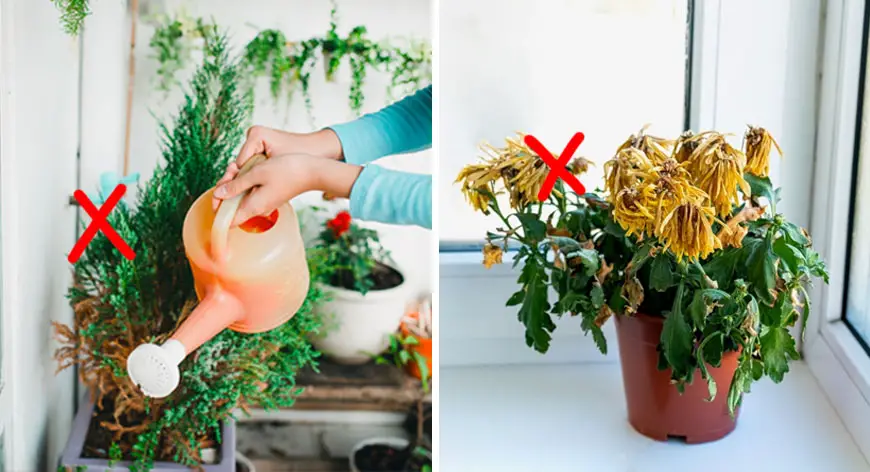
Different plants have different water needs. While tropical plants may require frequent watering, cacti can go longer without it. Overwatering leads to waterlogged soil, suffocating the roots and causing leaves to turn black. Check soil moisture levels regularly and water only when necessary.
3. Neglecting Leaf Cleaning
Dust accumulation on leaves not only mars their appearance but also hampers vital functions like photosynthesis by blocking pores. Regularly wipe leaves with a damp cloth or alcohol to remove dust and keep them healthy.
4. Excessive Fertilization
While fertilizers promote plant growth, overdoing it can harm plants. Excess nutrients can overwhelm the plant, leading to leaf drying, burning, and susceptibility to diseases. Follow fertilizer instructions carefully, applying the appropriate amount at recommended intervals.
5. Improper Pot Size
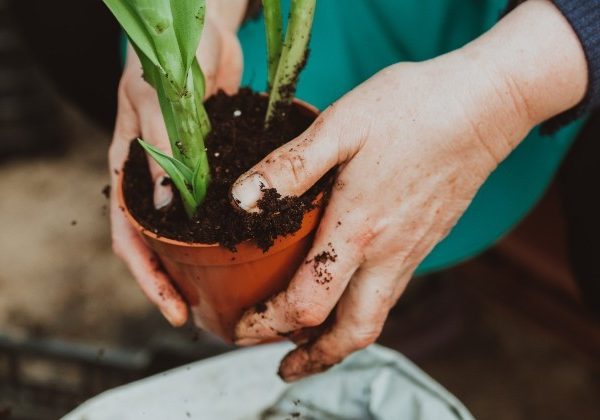
Plants have varying root system needs. Planting a large-rooted plant in a small pot restricts root growth, weakening the plant. Conversely, placing a small-rooted plant in a large pot leads to excess moisture retention, risking root rot. Consult with a gardener or nursery to choose the right pot size for your plant’s needs.
By avoiding these common mistakes and providing proper care, you can ensure your plants thrive and continue to beautify your home environment.