Milk, a staple in our kitchens, offers more than just nutritional benefits for us. It turns out this common household item can be incredibly useful for your plants as well. From natural fungicides to effective fertilizers, milk can play a significant role in maintaining the health and vibrancy of your indoor and outdoor plants. Here’s how to make the most of it:
Preparation Method

Ingredients:
- 10% milk (whole milk is preferred)
- 90% water
- 1 sprayer
Instructions:
- Prepare the Container: Ensure the container you use is thoroughly cleaned.
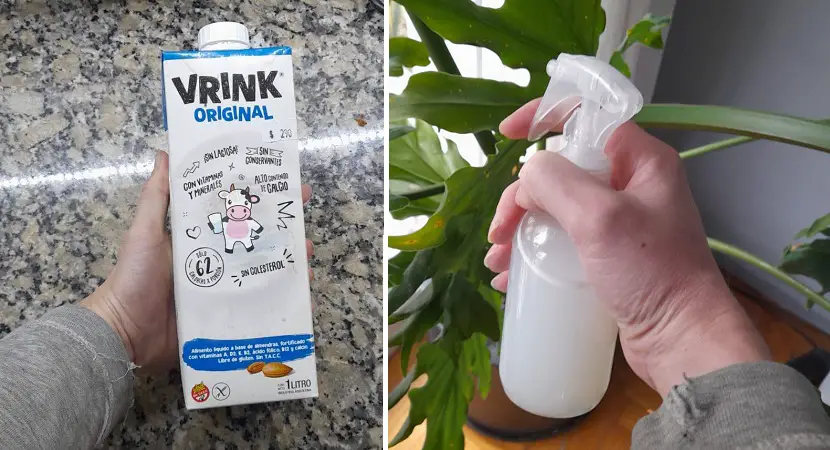
- Mix Ingredients: Add 10% milk and 90% clean water (let the water sit for 24 hours to dechlorinate) to the container.
- Blend Well: Stir the mixture until it reaches a homogeneous consistency.

Benefits and Uses
- Natural Fungicide
- Purpose: Milk acts as a powerful natural fungicide, combating a range of fungal infections, including the challenging powdery mildew.
- How to Use: Spray the mixture on the plant, focusing on the leaves (both front and back), stems, and fruits. For best results, repeat this treatment every two weeks.
- Effective Fertilizer
- Purpose: As a fertilizer, milk helps boost soil productivity by promoting beneficial microorganisms.
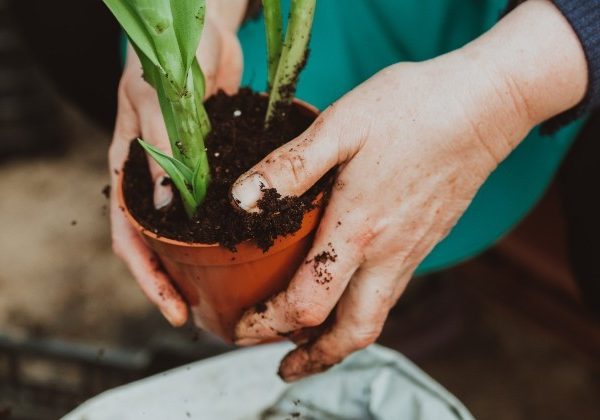
- How to Use: Mix 1 part milk with 5 parts water to create a thicker solution. This can be done with fresh milk or even expired milk. Directly water the soil with this solution and repeat every two months, especially during warmer months.
- Insect Repellent
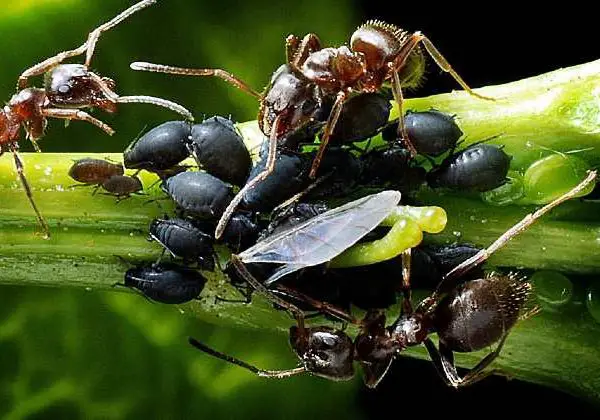
- Purpose: Milk can help deter various insects, including mealybugs, whiteflies, and ants.
- How to Use: Spray the entire plant and surrounding soil with the milk solution. This treatment can be repeated once a month to keep insect pests at bay.
- Leaf Cleaning Agent
- Purpose: Dust, dirt, and grime can accumulate on plant leaves, impairing photosynthesis. Milk can help clean and shine leaves.
- How to Use: Dampen a cotton ball or absorbent paper with the milk solution and gently wipe each leaf. This will remove dirt and restore the leaf’s natural shine, enhancing its ability to photosynthesize.
Using milk for your plants is a simple, cost-effective, and eco-friendly way to enhance their growth and health. With these easy-to-follow methods, you can ensure your plants stay vibrant and well-nourished all year round.
Show Comments