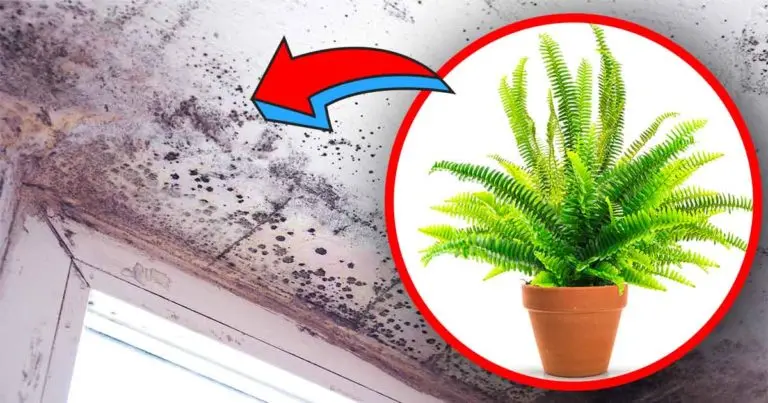
In addition to decorating indoor spaces, plants can also purify the surrounding air. Some houseplants are also effective in eliminating excess humidity and therefore preventing mold. That said, discover 4 plants that can reduce the risk of mold in the house.
Grown indoors, houseplants can rid you of several problems, such as mold. To do this, simply choose plants that have the particularity of absorbing humidity, in order to avoid the proliferation of these microscopic fungi.
What are the 4 effective indoor plants to prevent mold in the house?
To protect your interior from mold, you can grow the following houseplants, known for their ability to absorb stagnant humidity.
- The spider plant to eliminate humidity
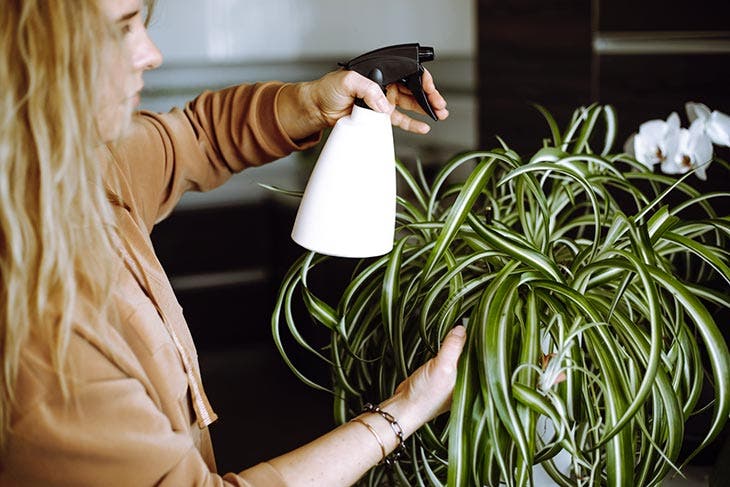
Native to South Africa, the spider plant, also called chlorophytum, is a perennial herb with evergreen foliage. It is characterized by its flexible foliage, in the form of long ribbons which fall on the sides. This plant is robust and easy to care for. Indeed, it can tolerate drought and low light. Grown indoors, chlorophytum has several virtues. It purifies the ambient air and eliminates carbon monoxide, toluene, but also formaldehyde and benzene. In addition to removing these pollutants, the spider plant is also effective in absorbing a good amount of moisture from the air. This is what helps prevent the appearance of mold.
- The peace lily, a houseplant to prevent mold
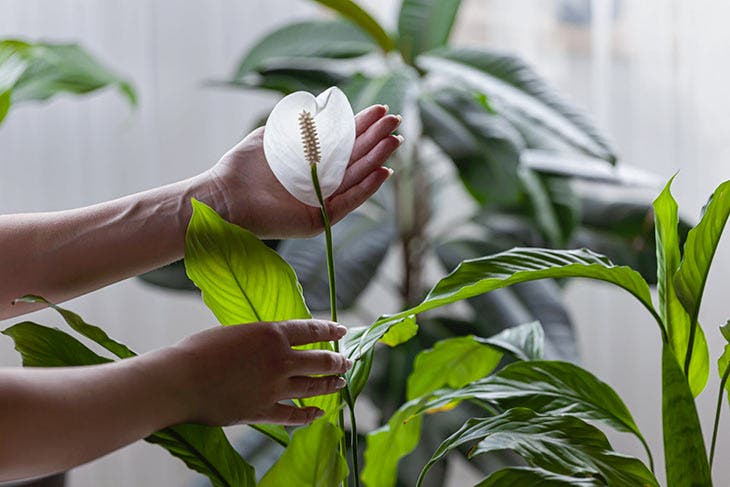
The peace lily or spathiphyllum is a perennial indoor plant that is easy to care for. This hardy plant can handle forgetful watering and can even grow in dimly lit areas. The peace lily is the ideal plant for people who don’t have a green thumb. It needs light but regular watering. Thanks to its foliage, the peace lily absorbs the humidity circulating in the air, and thus helps prevent the development of mold and fungus in the house.
- The Boston fern, a green plant to avoid humidity problems
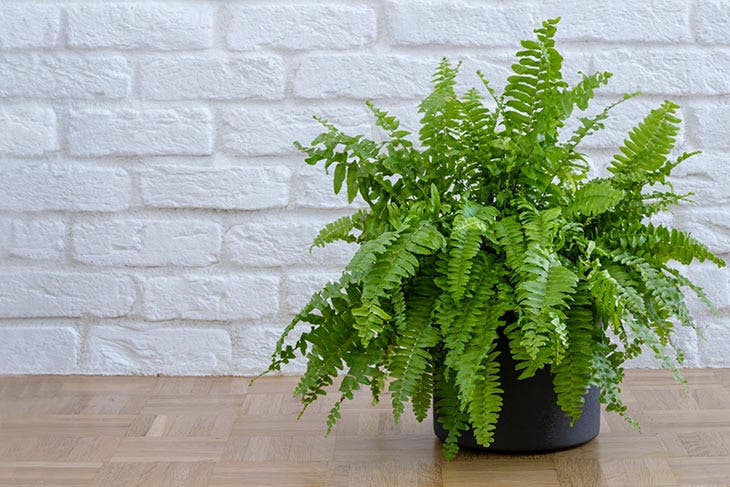
The Boston fern or nephrolepis is a green indoor plant with decorative foliage. This resistant plant is prized for its depolluting action. In fact, it helps absorb volatile organic components such as xylene and formaldehyde released by paint, glue or furniture. Also, the Boston fern is a tropical plant, very effective in absorbing humidity. Moreover, it likes to be placed in humid places, which remind it of its tropical environment, such as the bathroom. By regulating the humidity in the house, the Boston fern will get rid of mold, which develops in damp places.
- Tillandsia, a flowering plant to reduce humidity levels
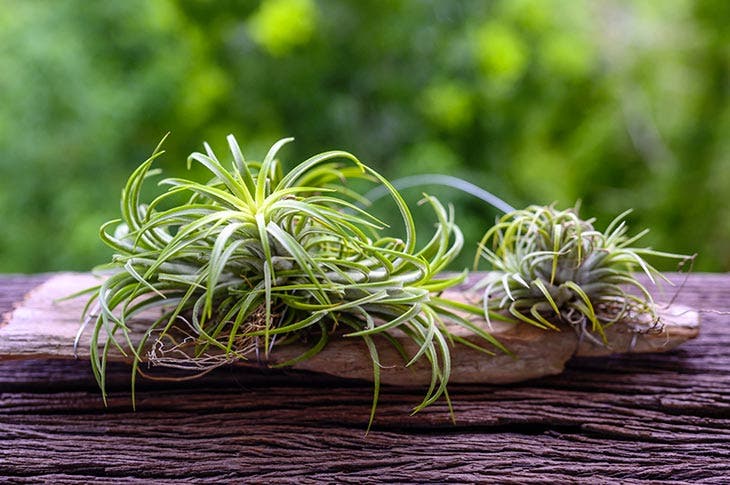
Native to the American continent, tillandsia is a fast-growing flowering perennial plant. Also called daughter of the air, this houseplant is robust and easy to grow. Depending on the species chosen, the tillandsia can be used hanging, upside down or installed in a pot. This plant has the particularity of feeding on ambient humidity. Its leaves help capture water in the air, and this is how it reduces the humidity level in the house, in order to avoid mold. To make your plant last a long time, keep it in a bright place, avoiding direct sunlight.
If your indoor air is too humid, do not hesitate to adopt these plants which absorb ambient humidity.