If you cherish your beautiful flower garden or well-maintained vegetable patch, dealing with pests can be a nightmare. Fortunately, there are eco-friendly methods to combat these nuisances! Today, we’ll explore how to eliminate aphids quickly and safely using baking soda, a natural insecticide recommended by gardening expert Michael Perry.
Why Bicarbonate?
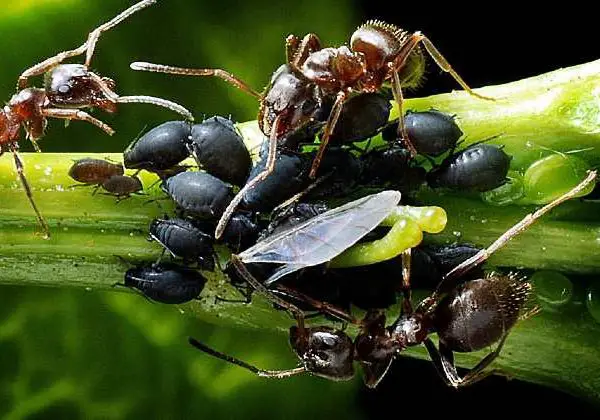
Aphids are notorious for sucking and chewing on plant stems and leaves, leading to significant damage and disease spread. Here’s how to harness the power of baking soda to create a natural anti-aphid spray!
1. Basic Bicarbonate Spray
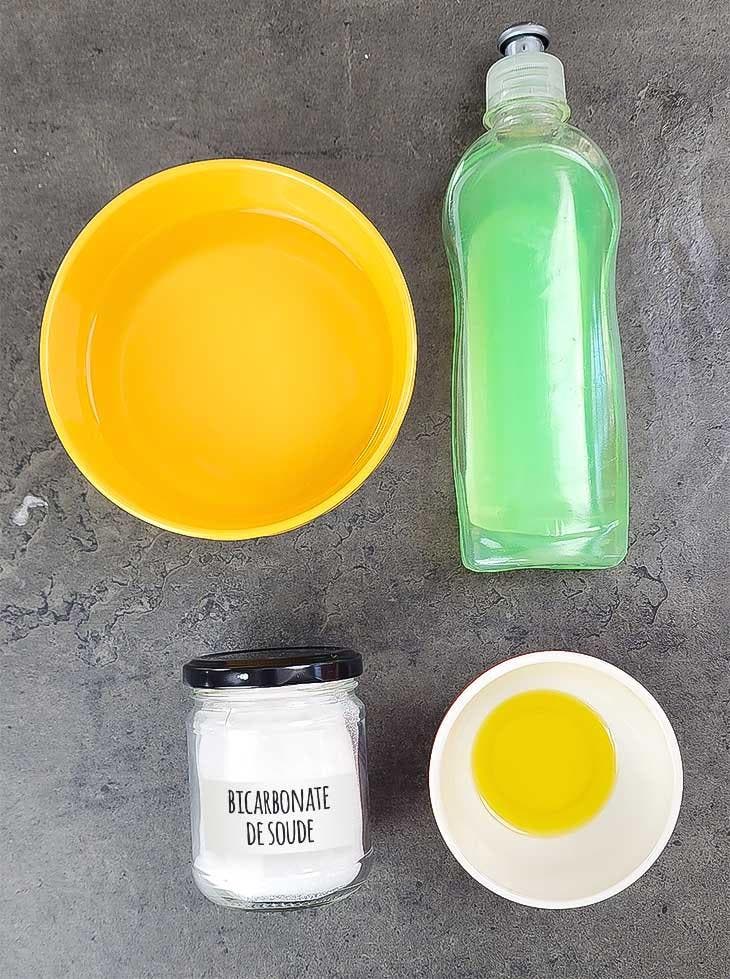
Ingredients:
- ½ teaspoon baking soda
- 2 cups of warm water
- ⅔ cup olive oil
- 4 to 5 drops of dishwashing liquid
Steps:
- Combine all ingredients thoroughly.
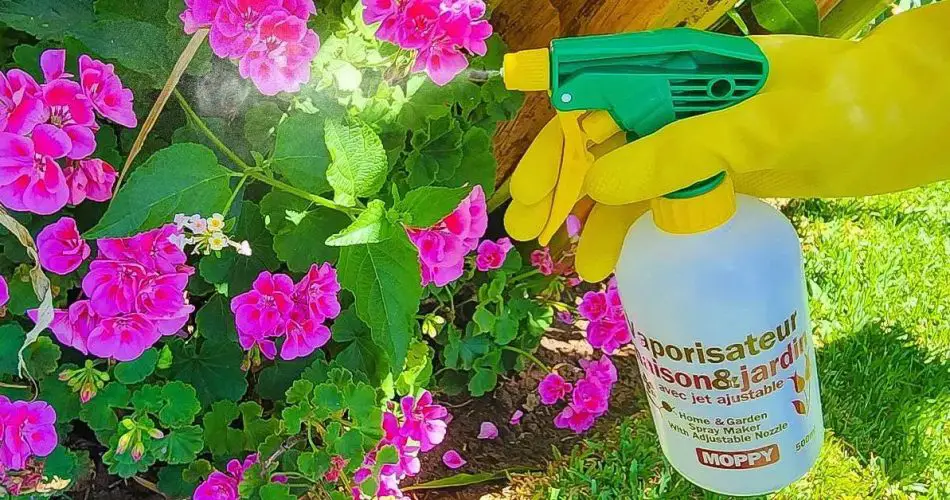
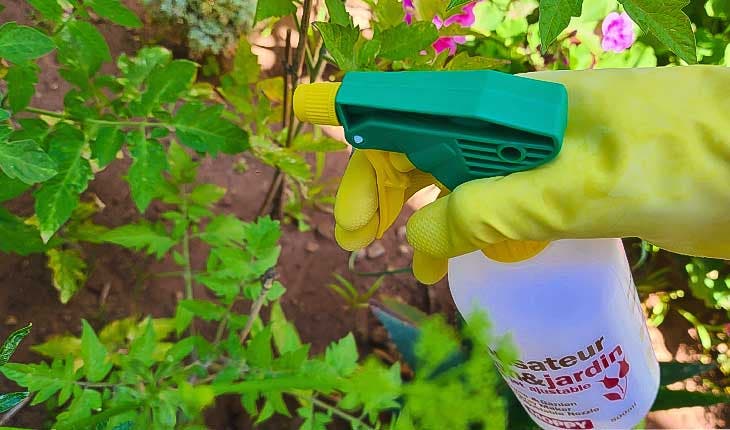
- Pour the mixture into a spray bottle.
- Shake the plant before spraying to ensure beneficial insects like ladybugs are disturbed.
- Spray directly onto the aphids.
This simple baking soda solution also targets mites and whiteflies!
2. Mustard Oil and Baking Soda Mix
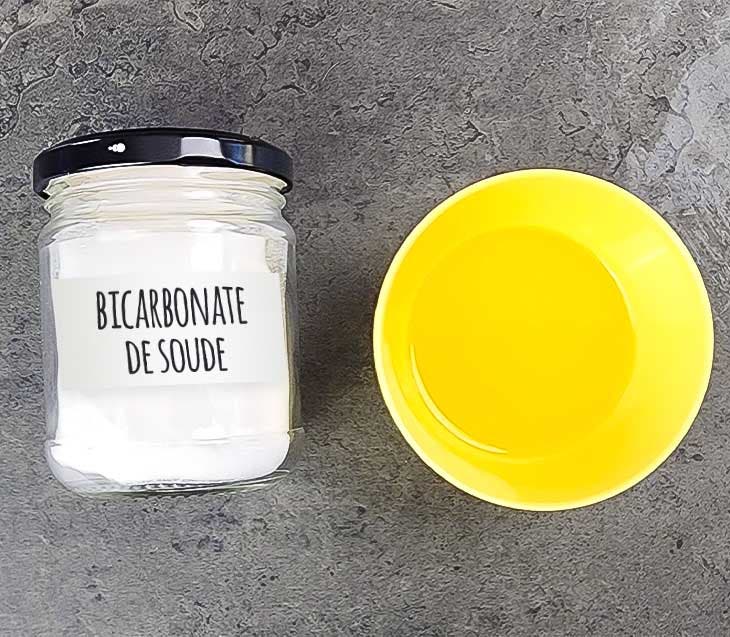
Ingredients:
- 1 tablespoon baking soda
- ⅓ cup mustard oil
Steps:
- Mix baking soda and mustard oil in a labeled, covered container.
- To use, blend two teaspoons of this mixture with four cups of water.
- Pour into a spray bottle and apply around the garden—avoid direct application on plants.
3. Neem Oil and Baking Soda Combo
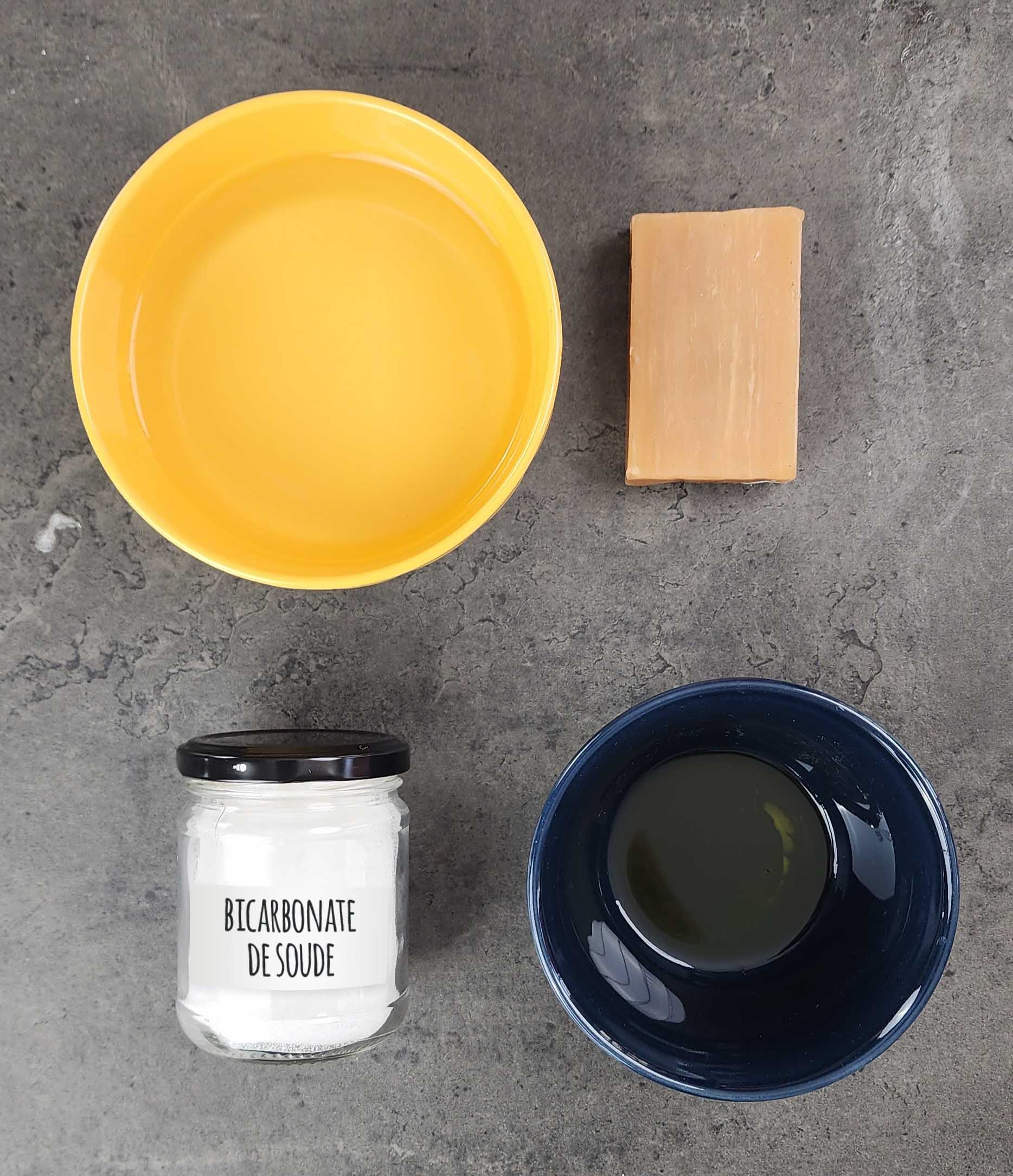
Ingredients:
- About 4 liters of water
- 2 tablespoons neem oil
- 1 tablespoon of Castile soap
- 2 teaspoons baking soda
Steps:
- Combine all ingredients and fill your sprayer.
- Apply to your plants, ensuring it’s not sunny to avoid leaf burn.
This blend not only kills insects but also creates an alkaline environment that inhibits fungal spores.
4. Bicarbonate with Dormant Oil
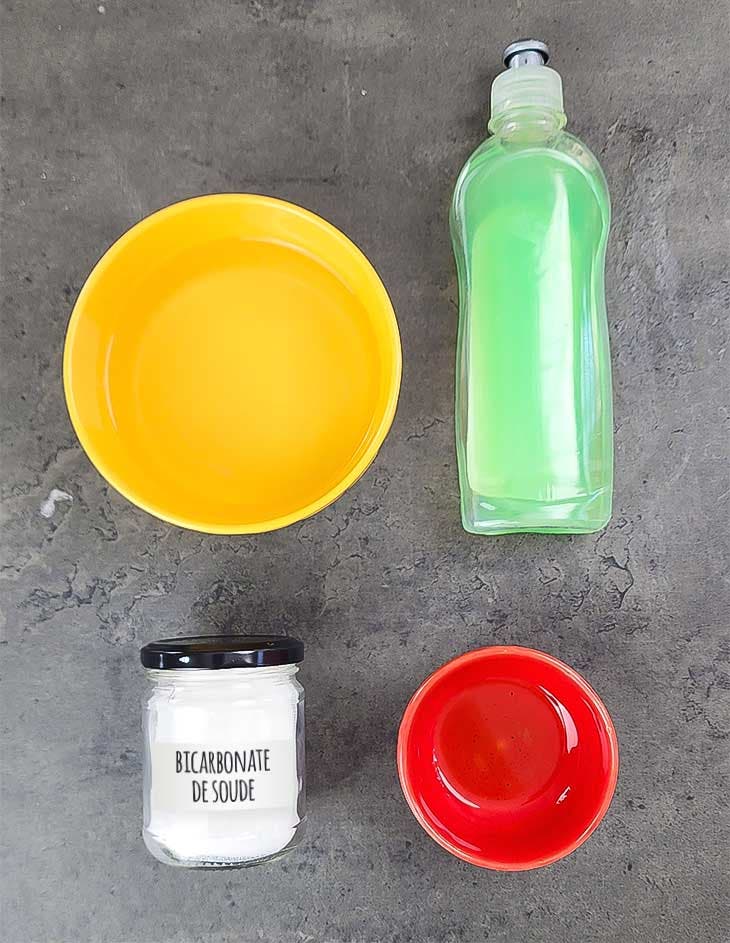
Ingredients:
- 1 teaspoon baking soda
- 1 teaspoon dormant oil
- ½ teaspoon dishwashing liquid
- About 4 liters of water
Steps:
- Mix all ingredients thoroughly and let sit until bubbles dissipate.
- Transfer to a sprayer and apply directly to affected areas.
Cautionary Notes
- Overuse Warning: Repeated baking soda applications can harm plants and soil due to its sodium content.
- Usage Timing: Apply homemade insecticides on dry, overcast days to prevent plant dehydration and sunburn.
- Rain Consideration: Since sodium bicarbonate is water-soluble, avoid spraying before rain; if it rains, reapply afterward.
Frequently Asked Questions
How does baking soda kill bugs?
Baking soda releases carbon dioxide in insects, which leads to their demise. It’s effective against a variety of pests, including slugs, cutworms, and aphids.
What plants repel aphids?
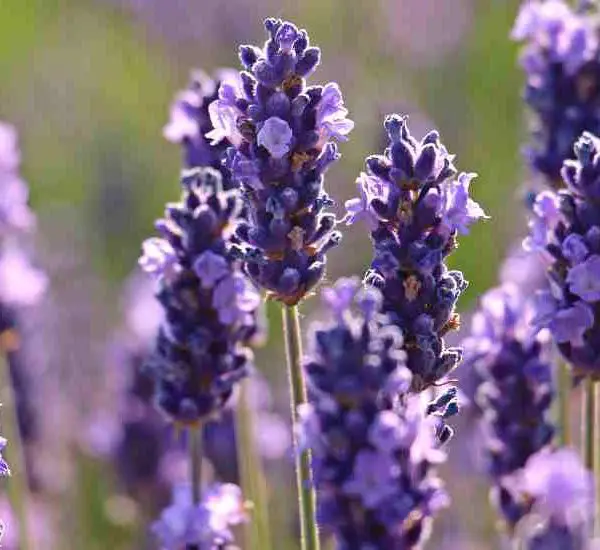
Consider planting marigolds, nasturtiums, and sunflowers, or herbs like lavender and oregano to naturally deter aphids.
Can I make garlic spray for aphids?
Absolutely! Combine 100g of crushed garlic with about 4 liters of water, let sit for 24 hours, boil for 20 minutes, cool, and then spray on affected plants.
Does white vinegar kill aphids?
Yes! Mix ¼ white vinegar with ¾ water, spray on affected areas, and repeat weekly for best results.
With these natural bicarbonate solutions, you can effectively combat aphids while keeping your garden healthy and thriving!