Shady areas in your garden might seem challenging, but with the right plants, they can be transformed into lush, vibrant spaces. Here’s a guide to 25 shade-loving plants that thrive in low light conditions, ensuring that even the dimmest corners of your garden can be filled with beauty.
Benefits of Shade Plants
Shade plants are adapted to capture the limited light available in low-light environments. They often have large leaves that maximize light absorption and are typically low-maintenance, making them perfect for shaded garden spots, patios, or interiors.
Ideal Conditions for Shade Plants
While shade-loving plants thrive in low light, they still need some indirect light. Partial shade, with less than two hours of direct morning sunlight and filtered light throughout the day, is ideal.
Types of Shade Plants
- Full Shade Plants: Thrive in environments with minimal light. Examples include pothos, philodendrons, spathiphyllums, violets, ginger, hosta, and ferns.
- Partial Shade Plants: Prefer a bit of direct sunlight, especially in the morning. Some suitable options are begonias, magnolias, mosses, and primroses.
- Shade Tolerant Plants: Develop wider, thinner leaves to capture more light. These include hydrangeas, calathea, chrysanthemums, honeysuckle, jasmine, holly, and bamboo.
25 Shade-Loving Plants
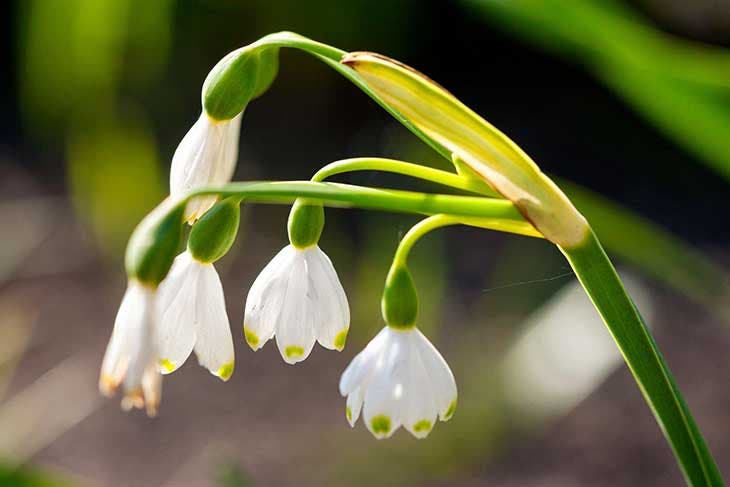
- Lily of the Valley (Convallaria majalis)
- Features: Delicate, bell-shaped white flowers with a sweet fragrance. Prefers shade or light sun and well-drained soil.
- Multiflorous Solomon’s Seal (Polygonatum multiflorum)
- Features: Dark green foliage and pendulous, tuber-shaped flowers. Thrives in light sun or partial shade.
- Astilbe
- Features: Dense foliage with colorful, plume-like flowers in pink, white, red, or purple. Prefers partial shade.
- Canadian Asaret (Asarum canadense)
- Features: Hairy foliage with a ginger scent and discreet pinkish flowers. Prefers deep shade and moist soil.
- Bletilla
- Features: Orchid-like flowers in white, purple, and pink. Best in shade and can overwinter indoors.
- Heart of Mary (Dicentra spectabilis)
- Features: Heart-shaped flowers in pink to red. Prefers partial shade and moist, well-drained soil.
- Purple Foxglove (Digitalis purpurea)
- Features: Large, spike-shaped flowers. Tolerates partial shade, especially in warmer climates.
- Angel Wings (Caladium)
- Features: Large, heart-shaped leaves in bright colors. Prefers shade and protection from heat.
- Hellebore (Helleborus)
- Features: Evergreen with unusual blooms in late winter or early spring. Prefers semi-shade.
- Ligularia
- Features: Rounded, toothed leaves with variable flowering. Adapts to partial shade and avoids sunburn.
- Hosta
- Features: Dense foliage in various shapes and colors. Best in partial shade and moist soil.
- Tradescantia pallida
- Features: Pink/purple flowers and colorful foliage. Thrives in partial shade, especially in humid environments.
- Thick-Leaved Stonecrop (Sedum dasyphyllum)
- Features: Fleshy foliage with white flowers. Tolerates indirect sun to partial shade.
- Sweet Violet (Viola odorata)
- Features: Aromatic flowers in various colors. Prefers partial to full shade, especially in summer.
- Horny Goat Weed (Epimedium alpinum)
- Features: Light foliage with delicate mauve flowers. Thrives in shade and avoids direct sunlight.
- Lily Orchid (Tricyrtis hirta)
- Features: Intricate, marbled flowers in late summer to fall. Prefers dim light and cool soil.
- Brunnera (Brunnera macrophylla)
- Features: Heart-shaped foliage and small blue flowers. Hardy and best in shaded areas.
- Corydalis (Corydalis solida)
- Features: Lightly scented tubular flowers. Prefers shady spots and may die back in summer.
- Heuchera (Heuchera)
- Features: Wavy foliage with small, colorful flowers. Grows well in shade or partial shade.
- Lungwort (Pulmonaria officinalis)
- Features: Bell-shaped flowers and marbled foliage. Prefers rich, shady soil.
- White Trillium (Trillium)
- Features: Triangular, white flowers that turn pink with age. Needs moderate shade or dappled light.
- Little Preacher (Arisaema triphyllum)
- Features: Unique flower spike resembling a hood. Prefers partial shade with some sunlight.
- Fern (Filicophyta)
- Features: Frond-like leaves and drought tolerance. Thrives in shade with moist soil.
- Dead Nettle (Lamium)
- Features: Silvery foliage with variegated flowers. Grows well in shaded, cool, or dry areas.
- Tiarella (Tiarella cordifolia)
- Features: Lobed foliage with red or purple veins and floating flowers. Ideal for ground cover in shade.
Caring for Shade Plants
- Soil and Substrate: Ensure good drainage by using gravel or placing a plate with pebbles and water under pots.
- Watering and Humidity: Maintain balanced moisture by checking soil with your finger. Avoid overwatering.
- Location and Pot: Repot during the plant’s dormant period and avoid frequent moving.
- Size: Prune during dormant months and avoid doing so in the growing season.
Common Problems and Solutions
- Diseases: Watch for symptoms like spotted leaves or premature rotting. Adjust care routines and inspect living conditions.
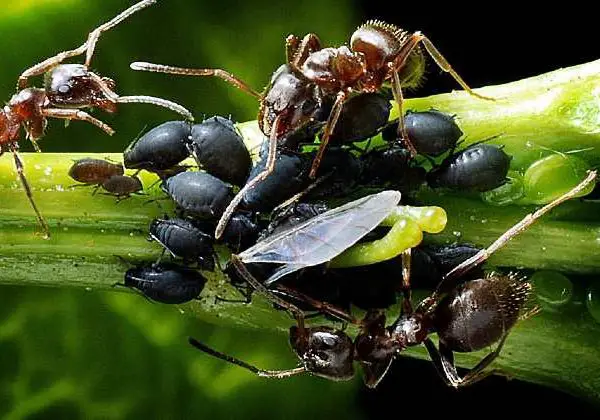
- Pests: Manage aphids and scale insects promptly to prevent damage.
FAQ
- What outdoor plant doesn’t need sun? Hostas are ideal for shade gardens and offer a variety of foliage shapes and colors.
- What flowers bloom in the shade? Hydrangeas, lily of the valley, primroses, begonias, and marigolds thrive in shaded conditions.
- What indoor climbing plant grows in the shade? Philodendrons are excellent for low-light interiors and can be grown in hanging baskets or trained on trellises.
- Which plants should be exposed to partial shade? Azaleas, rhododendrons, and hydrangeas perform well with partial shade.
Transform your shaded spaces with these beautiful and diverse plants, and enjoy a lush, green garden year-round!