Whether green or flowering, succulent or perennial, plants are everywhere in our homes. We love them for their decorative and soothing side. Indeed, plants bring nature into our interiors and allow us to have contact with the earth and living things. But be careful, not all plants are beneficial by any means. Some are dangerous and contain harmful substances and can even be toxic to humans and pets, if you have them on your balcony it is better to remove them.
When we choose a plant we are mainly interested in its aesthetic side, its ease of maintenance but we sometimes forget that some of them can cause poisoning and be harmful to humans, animals or other plants in the house. Let’s find out which species to avoid indoors and outdoors.
Plants to avoid outdoors
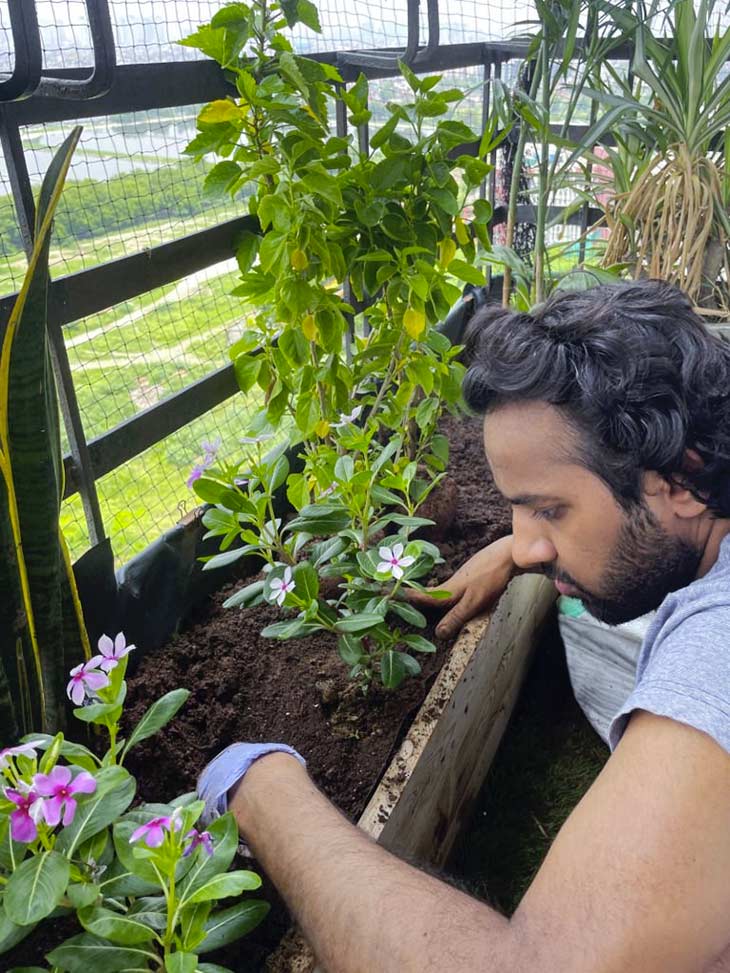
Gardening is a pleasure and is one of the favorite pastimes of the French, however, so that the dream does not turn into a nightmare you absolutely must know these garden plants and their dangers:
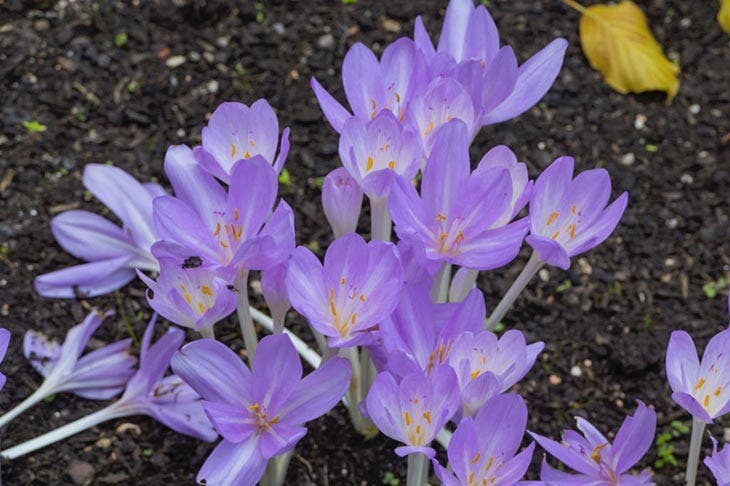
Colchicum
Although this plant is magnificent with beautiful flowering, you should know that its bulb can be toxic if ingested and could cause nausea, vomiting or even diarrhea.
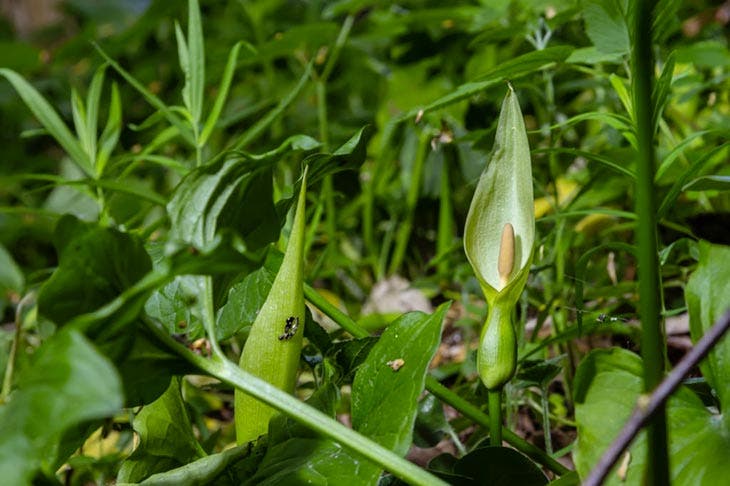
The spotted arum
It is a herbaceous plant which contains toxic substances and is part of the list of plants which can cause skin irritation, inflammation, burning or even swelling of the tongue and lips, if absorbed. the fresh parts. Be careful !
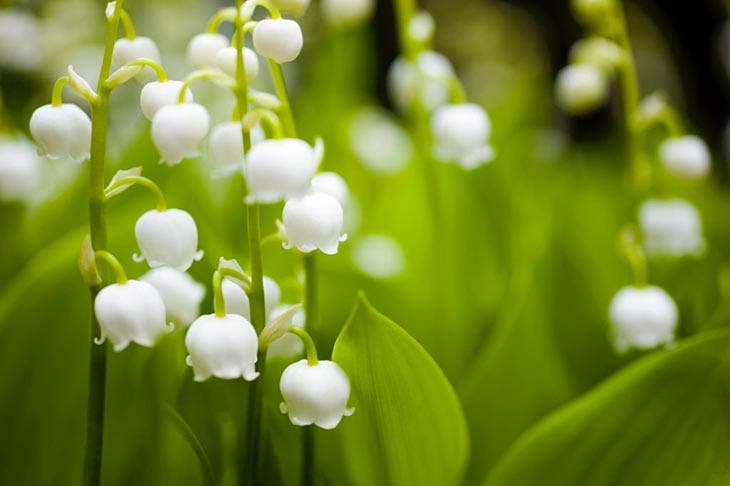
Lily of the valley
When the month of May approaches, we are happy to see sprigs of lily of the valley blooming on our balcony. But behind the pretty little white and fragrant bells hides a toxic substance which, once ingested, can be irritating and toxic to the heart. Moreover, the animals have understood this well and do not approach it. Avoid especially if you have children who might swallow it.
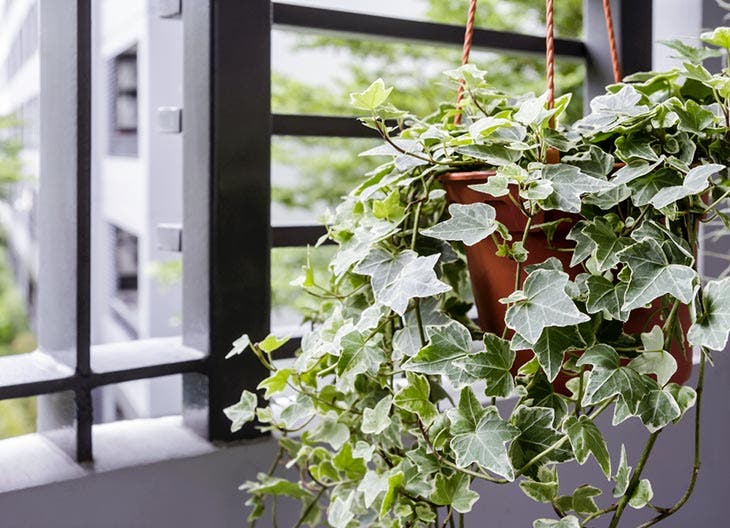
Ivy
What’s prettier than ivy climbing up a wall to frame a door or window. But be careful because all parts of the plant are harmful. Its stems and foliage are allergenic and can cause dermatitis. As for its berries, they look like blueberries but are not edible and once eaten they cause vomiting and colic or even hallucinations and convulsions. Avoid if you have young children!
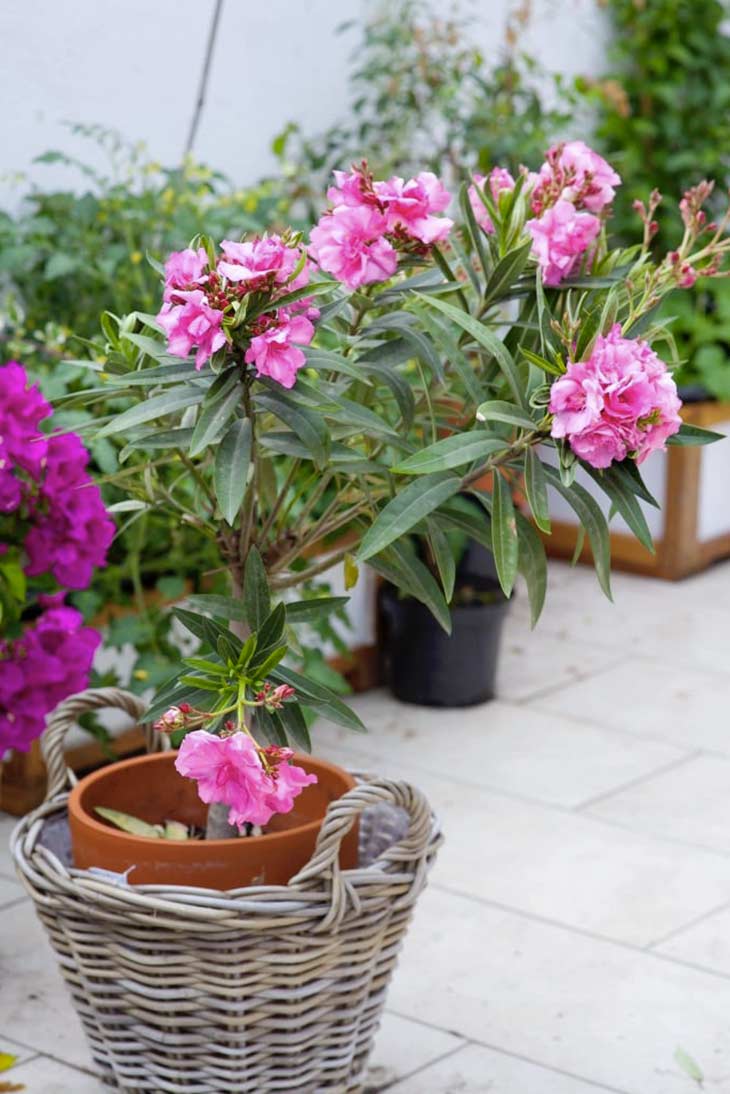
Oleander
An ornamental plant with its pink flowers, it is omnipresent in potted crops and yet it is dangerous. Its stems, leaves and flowers contain glycosides, a real poison for the heart. So don’t hesitate to get rid of it, especially if you have little ones.
Plants to avoid indoors
When wanting to beautify and make our interior more pleasant, to bring the benefits of nature with houseplants, we sometimes unknowingly make mistakes which give the opposite result. Some plants are harmful and must be removed from the house. Let’s find out which ones.
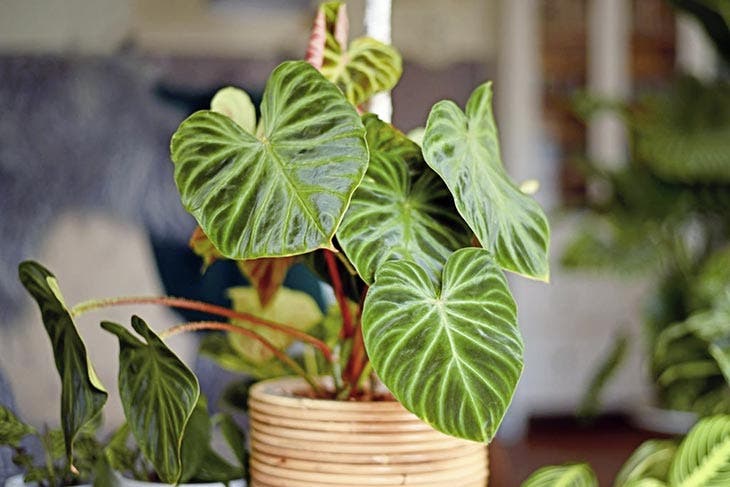
The philodendron
This green plant is undoubtedly the most widespread because it is easy to maintain and resistant. But what is often ignored is that it contains insoluble calcium oxalates which, once ingested, can cause mouth irritation and digestive problems. The main victims are domestic animals and in particular cats who like to nibble the leaves of plants.
Yucca
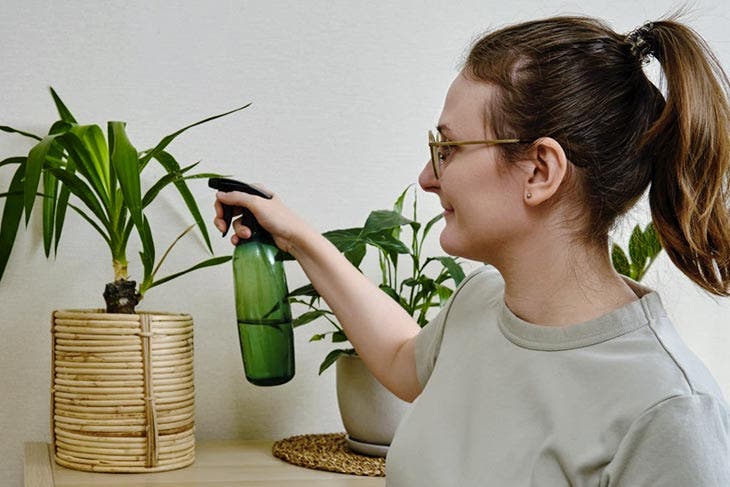
Very popular for the tropical touch it brings to interiors, it is also no less dangerous for your 4-legged companions and can cause nausea and poisoning. Be sure to keep it out of reach of your cat or dog.
Ficus benjamina
Highly appreciated for its detoxifying properties, it can unfortunately be a source of allergies due to the latex-like proteins contained in its sap. It can cause rhinitis, conjunctivitis, eczema and asthma attacks.
Amaryllis
Also called Belladonna, this plant is toxic to animals and humans. It contains lycorine which can cause poisoning: vomiting, diarrhea and respiratory problems if ingested. Its liquid can cause redness and burns by simple skin contact.
The moon flower (Araceae)
Very common this plant, just like lilies, can be dangerous for pets and humans. The sap therefore has irritating and toxic properties. It must therefore be hung high up out of the reach of children and cats.
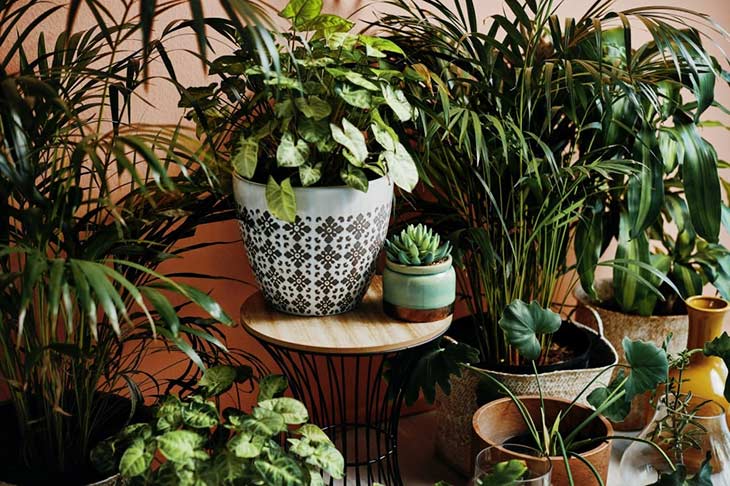
You are now aware of the dangers of certain plants, do not hesitate to find out and ask for advice before purchasing a plant.
Warning: use gloves when gardening, wash your hands well and if swallowed contact the poison control center nearest to you.