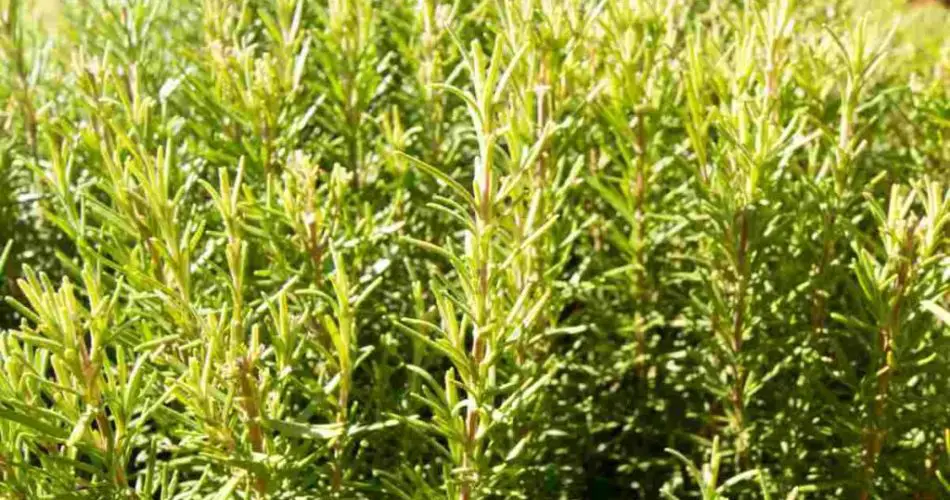
I take great pride in my rosemary plant, but I can’t take all the credit for its success! The secret lies in a few simple yet powerful tricks that make it thrive and spread its intense aroma far and wide.
Not only is rosemary an essential herb in the kitchen, but it’s also a strategic ally in the garden. Thanks to the natural substances it releases through its leaves and roots, it can enhance soil quality, protect nearby plants, and ward off harmful insects.
However, not all plants benefit from its presence! Some actually struggle when planted too close to rosemary.
🌱 Rosemary: More Than Just a Kitchen Herb
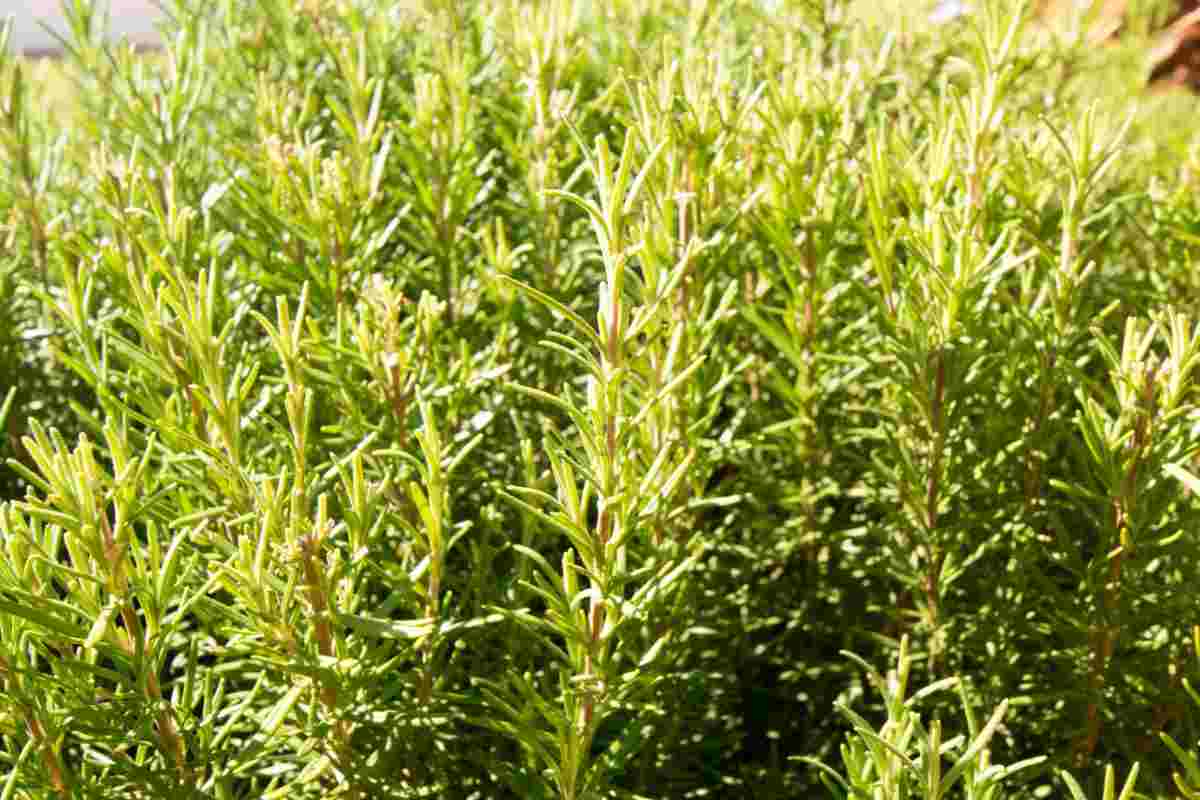
One of rosemary’s greatest strengths is its ability to release essential oils into the soil and air, creating an environment that is unfavorable for pests and fungi. This natural protection reduces the need for chemical treatments, keeping the garden healthier and more organic.
✅ Benefits of Growing Rosemary in Your Garden:
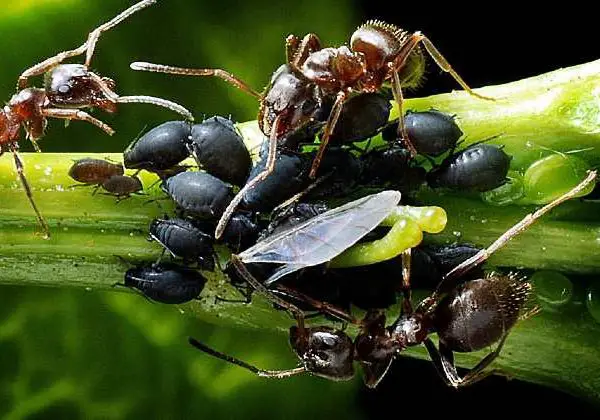
✔️ Acts as a natural insect repellent, deterring aphids, caterpillars, and cabbage flies.
✔️ Prevents the spread of harmful fungi and bacteria in the soil.
✔️ Enhances the flavor and growth of certain nearby plants.
🌿 Best Plants to Grow Near Rosemary
Certain plants thrive alongside rosemary, benefiting from its natural protection while sharing similar growing conditions.
✅ Ideal Companion Plants for Rosemary:
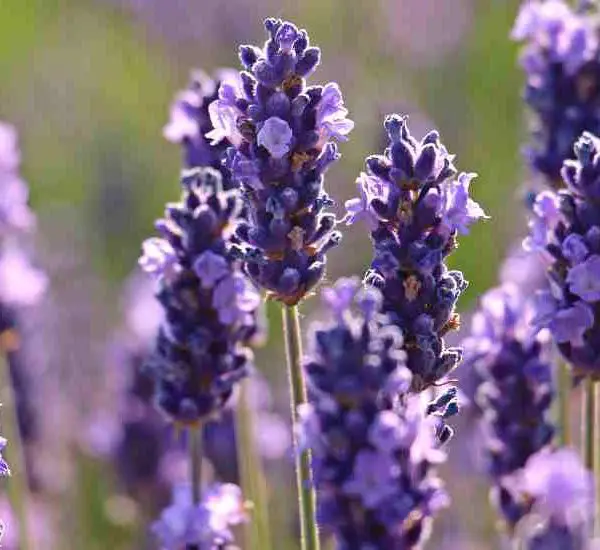
✔️ Thyme, Sage, and Lavender – These herbs require similar soil conditions and contribute to a pest-free environment through their essential oils.
✔️ Cabbages & Broccoli – Rosemary repels the cabbage white butterfly, which commonly attacks these vegetables.
✔️ Carrots & Onions – Their roots exchange nutrients with rosemary, leading to richer flavors and healthier growth.
✔️ Marigolds & Nasturtiums – These flowers attract pollinators and improve overall garden biodiversity.
By planting these companions near rosemary, you enhance their growth while naturally reducing pests in your garden.
🚫 Plants to Avoid Near Rosemary
While rosemary is a great companion for many plants, some species do not get along well with it due to differences in soil needs, water requirements, and root behavior.
❌ Plants That Shouldn’t Be Planted Near Rosemary:
❌ Basil – Requires moist, rich soil, whereas rosemary prefers well-drained, drier conditions.
❌ Mint – Has invasive roots that can choke out rosemary. It’s best grown in separate pots.
❌ Parsley – The compounds released by rosemary’s roots can inhibit parsley’s germination.
❌ Beans & Peas – Require frequent watering and develop competing roots, making them poor neighbors for rosemary.
To avoid these issues, keep these plants at least one meter away from rosemary to prevent competition and stunted growth.
🌞 Secrets to a Thriving Rosemary Plant
To ensure your rosemary grows healthy, lush, and highly fragrant, follow these key tips:
✅ Best Growing Conditions for Rosemary:
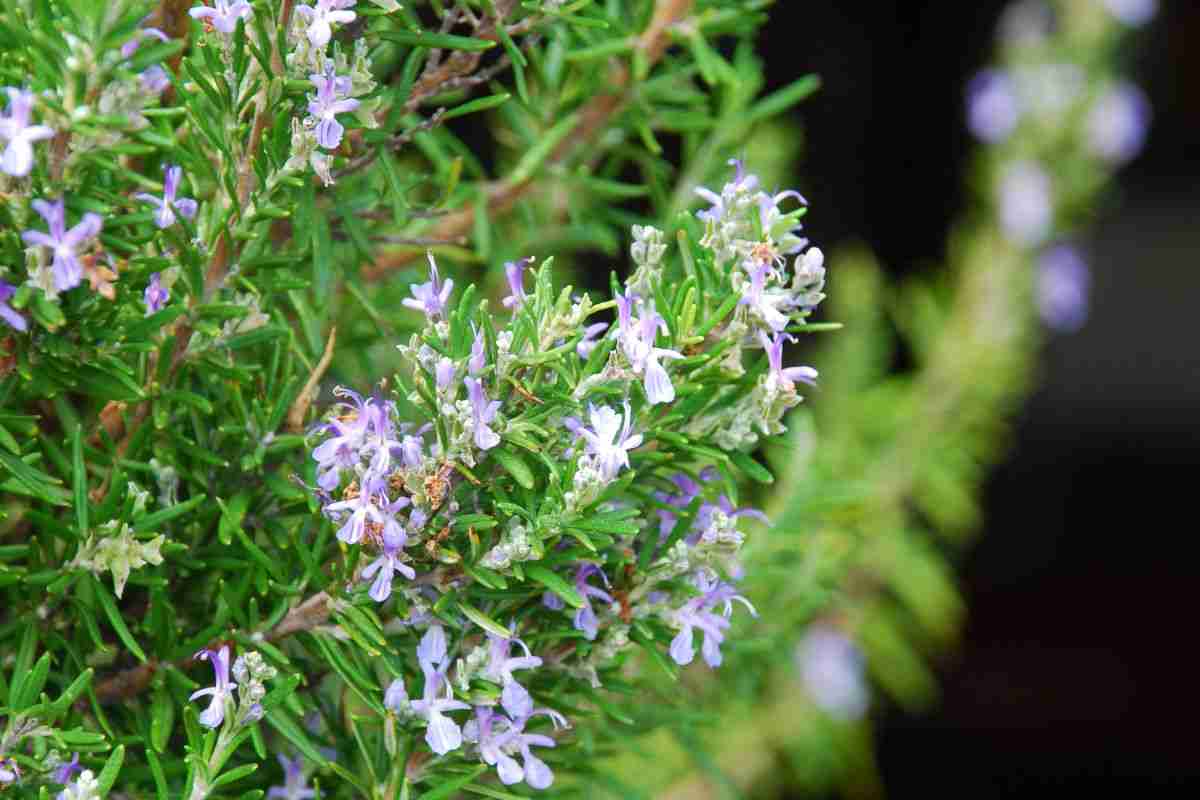
✔️ Spacing Matters – Leave at least 80 cm (31 inches) between rosemary plants and 40–50 cm (16–20 inches) between compatible herbs to avoid competition.
✔️ Well-Drained Soil – Rosemary hates water stagnation. If your soil is too compact, mix in coarse sand to improve drainage.
✔️ Full Sunlight – This herb thrives with at least 6–8 hours of direct sunlight daily. More sun means stronger essential oils, which enhance its protective powers and intense aroma.
🌿 Conclusion: Maximize Your Rosemary’s Potential
By following these simple yet effective gardening tricks, you can grow a thriving rosemary plant that spreads its wonderful fragrance for meters! Not only will it enhance your cooking, but it will also benefit your garden’s ecosystem by keeping pests at bay and improving soil quality.
So, if you want a strong, aromatic, and healthy rosemary plant, start implementing these tips today—you’ll smell the difference! 🌿✨