Bellflowers are stunning, easy-to-grow plants that can thrive in both gardens and pots. But did you know that a common kitchen ingredient can help them bloom all year long? Discover how cinnamon can transform your bellflowers into lush, vibrant plants!
🌿 What Are Bellflowers?
Bellflowers, scientifically known as Campanulaceae, are hardy evergreen plants found in Europe and Turkey. They come in different varieties, with creeping, climbing, or upright stems, and bell-shaped flowers that bloom in pink, white, or blue.
These flowers are highly adaptable, thriving in mountains, plains, and even moss-covered areas. Two common species include:
- Campanula isophylla – Native to northern Italy.
- Campanula carpatica – A compact variety that grows up to 60 cm tall and produces blue and white flowers.
☀️ Growing Bellflowers: Simple & Effective Care
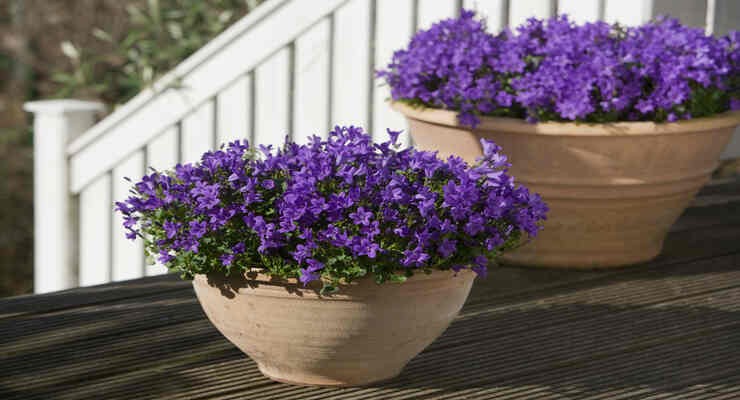
Bellflowers can grow in both shade and sun, as long as they aren’t exposed to direct sunlight at high temperatures. For the best results, follow these care tips:
✔ Ideal Temperature:
- Keep between 15°C (59°F) and 7°C (45°F) in winter.
✔ Watering Routine:
- Keep the soil moist, but avoid water stagnation in the saucer.
- Winter tip: Place pebbles in a water-filled saucer to maintain humidity without overwatering.
- Hot weather tip: Monitor water levels closely and refill if needed.
✔ Repotting:
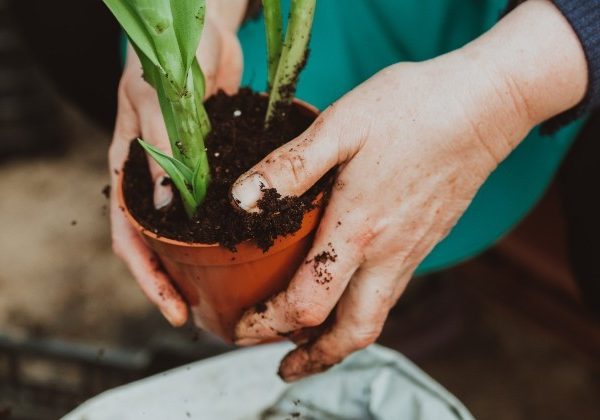
- If the plant outgrows its pot by spring, repot it in a larger container for continued healthy growth.
✨ The Secret to Continuous Blooming: Cinnamon!

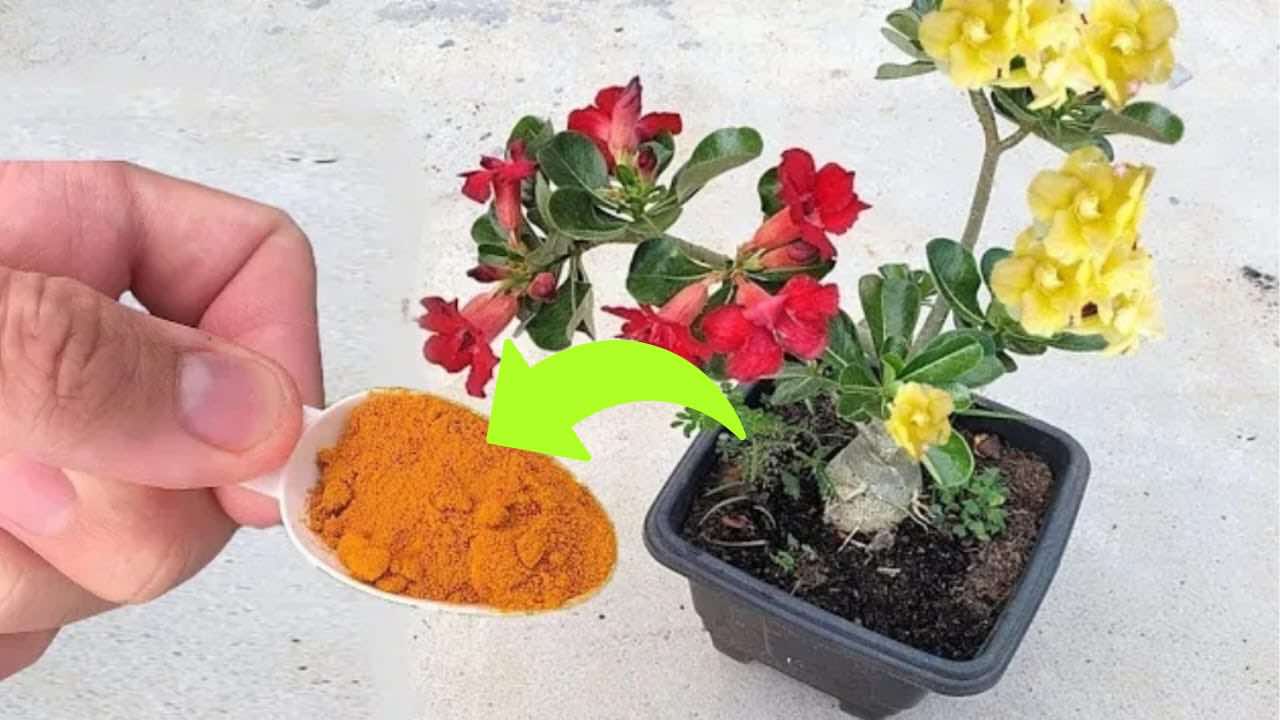
The key to strong, lush bellflowers is a simple kitchen ingredient—cinnamon! This spice isn’t just for cooking; it has powerful benefits for plants.
🌱 Why Use Cinnamon for Bellflowers?

🔹 Antibacterial Properties: Strengthens plant immunity.
🔹 Healing Agent: Protects and disinfects pruning cuts.
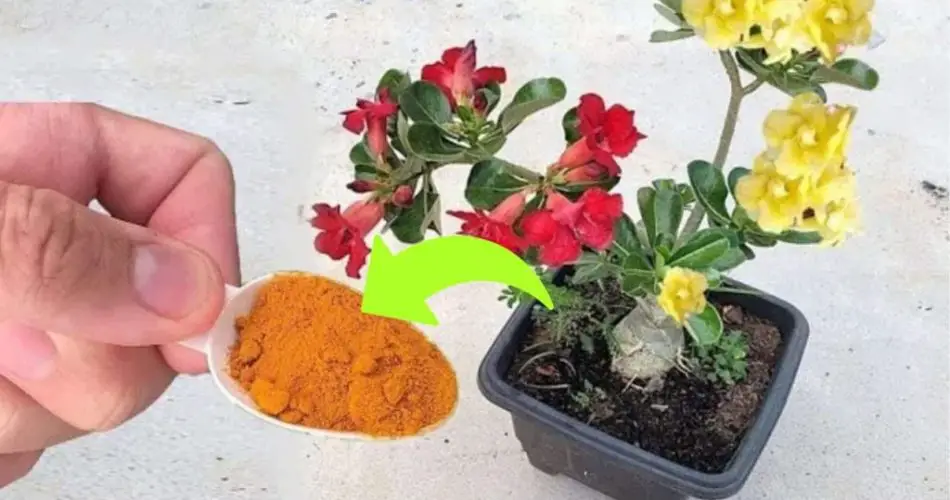
🔹 Growth Booster: Sprinkle cinnamon over the soil to stimulate growth.
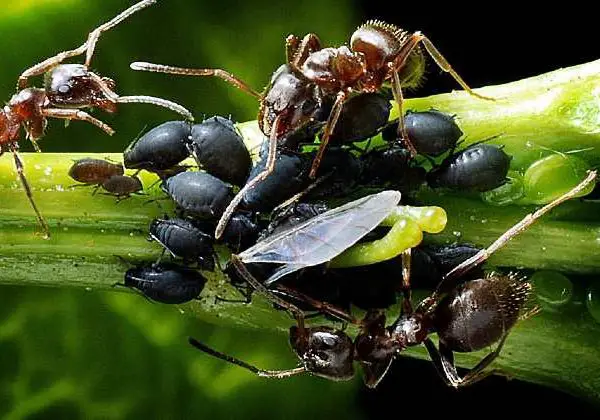
🔹 Natural Pesticide: Keeps ants, mealybugs, and other pests away—especially in summer.
👉 How to Use It: Simply sprinkle a spoonful of cinnamon on the soil after planting or repotting.
🌼 Important Note on Fertilization
Cinnamon is not a substitute for specialized fertilizers. Some plants require professional plant food to stay healthy. If your bellflowers need specific nutrients, combine cinnamon with appropriate fertilizers to avoid harming them.
With these simple tips, you can enjoy bellflowers in full bloom all year round—thanks to the power of cinnamon! 🌿✨