While plants can bring beauty and life to your garden, there are some hidden dangers that can threaten not only the health of your garden but also the well-being of you, your pets, and the environment. It’s crucial to identify and remove harmful species as soon as possible. Here’s a guide to the most dangerous plants and pests you might encounter.
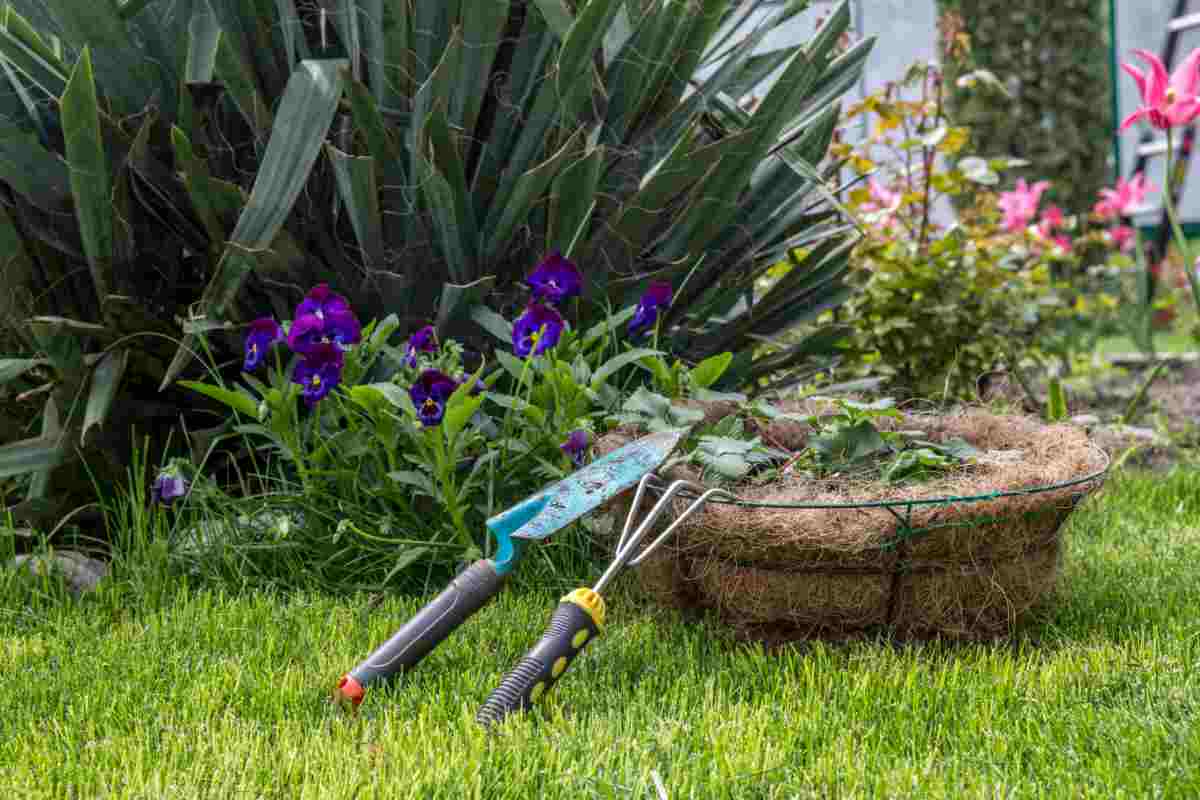
🌿 Poisonous Plants You Should Remove Immediately
Many plants can be toxic if ingested or if they come into contact with skin, posing serious health risks. Let’s look at some of the most dangerous plants you might find in your garden:
1. Oleander (Nerium oleander)
🌸 Toxicity: All parts of this plant are extremely poisonous, especially if consumed. Symptoms of poisoning can include nausea, vomiting, and in severe cases, death. Oleander is often used as an ornamental shrub but should be handled with care.
2. Cyclamen (Cyclamen)
🌸 Toxicity: The tuber of the cyclamen is particularly dangerous. Ingesting even small amounts can lead to severe adverse reactions like vomiting, diarrhea, and abdominal pain.
3. Ornamental Rhubarb (Rheum rhaponticum)
🌸 Toxicity: While kitchen rhubarb is safe to eat, the leaves of ornamental rhubarb contain oxalic acid, which is toxic and can cause nausea and kidney issues if ingested.
4. Lilac (Syringa)
🌸 Toxicity: While not fatally toxic, the pollen of lilac can trigger allergic reactions in some people. It’s important to be cautious if anyone in your household has pollen allergies.
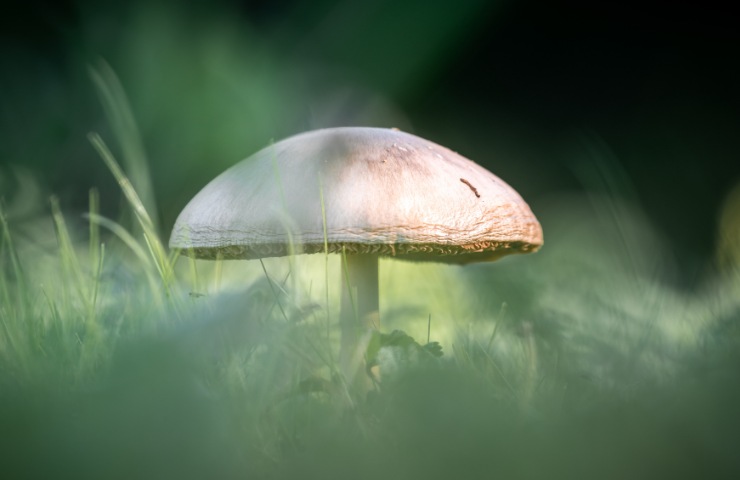
5. Amanita Phalloides (Death Cap Mushroom)
🍄 Toxicity: Although not a plant, the Death Cap mushroom is one of the most dangerous fungi and can cause fatal poisoning if consumed. Recognizing it requires knowledge of mycology, so it’s essential to be aware of its appearance in your garden.
🐛 Harmful Pests: The Pine Processionary Moth
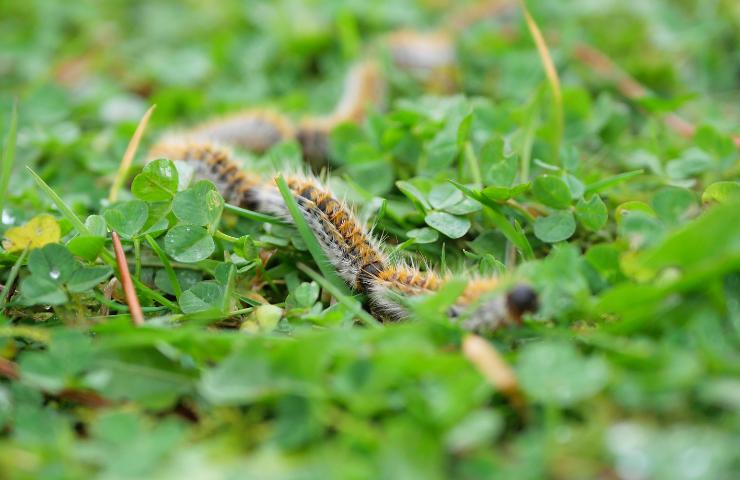
Aside from toxic plants, there are also pests that can cause significant harm to your garden and health. The pine processionary moth (Thaumetopea pityocampa) is one of the most feared pests in gardens.
Why It’s Dangerous
🔴 The larvae of the pine processionary moth are covered in urticating hairs that can cause severe allergic reactions in both humans and pets. These caterpillars are not only harmful to health but also pose a threat to the health of pine trees and other plants.
🚫 How to Eradicate the Pine Processionary Moth
1. Monitor Your Trees
🍂 Regularly inspect pine trees, especially during autumn and winter, when the larvae begin to descend from their nests. Nests often appear as cottony masses on the branches of the trees.
2. Remove Nests Safely
🧤 When you spot these nests, carefully remove them using gloves and a protective mask to avoid direct contact with the stinging hairs.
3. Use Traps
🦋 To limit the spread of the moth, you can use traps to capture adult butterflies. These traps can either be purchased or made at home with readily available materials.
4. Insecticides
🌿 In some cases, using insecticides can help reduce the moth population. However, it’s important to follow manufacturer instructions and respect local regulations to protect the ecosystem.
🌱 A Word of Caution: Always Be Vigilant
While gardens bring immense beauty and joy, they can also pose hidden dangers. Being aware of these harmful plants and pests allows you to protect your family, pets, and plants. By removing toxic plants and monitoring for dangerous pests like the pine processionary moth, you can ensure your garden remains a safe and enjoyable place for all.
Stay informed, stay safe, and protect your garden from potential threats! 🌿⚠️