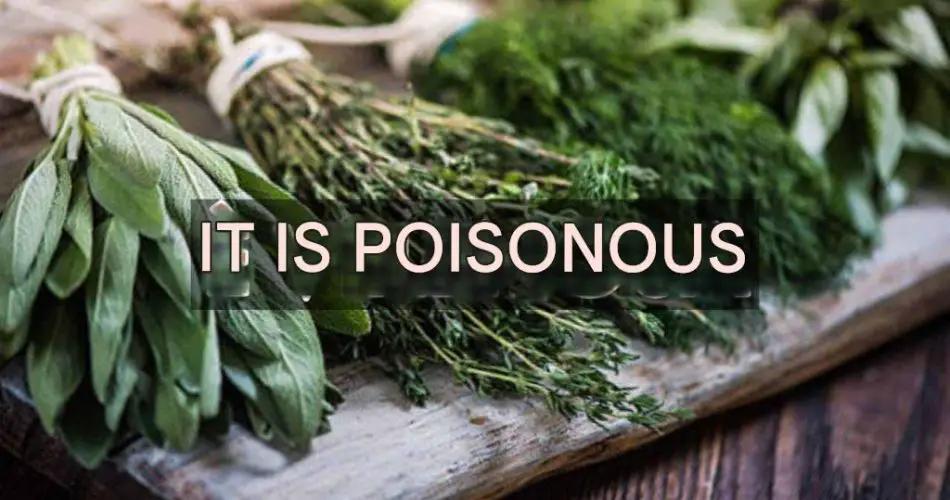
Many aromatic herbs are staples in our kitchens, adding flavor and aroma to our favorite dishes. But did you know that some of these everyday herbs can be toxic under certain conditions? One of the most commonly used seasonings—parsley—can actually become poisonous if you’re not careful.
🌱 Is Parsley Safe or Dangerous?
Parsley is a biennial plant, meaning it goes through two growth cycles:
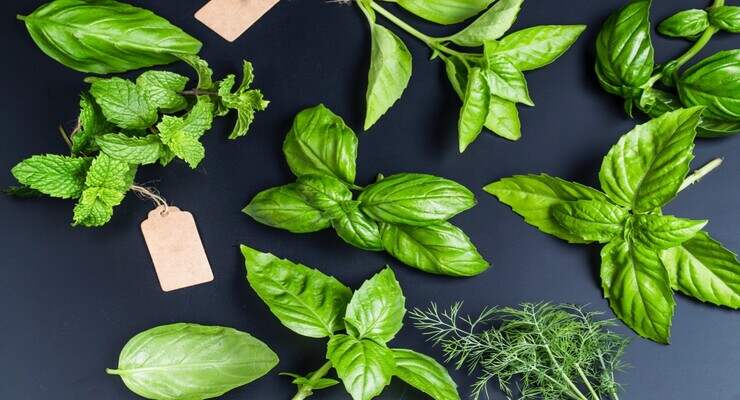
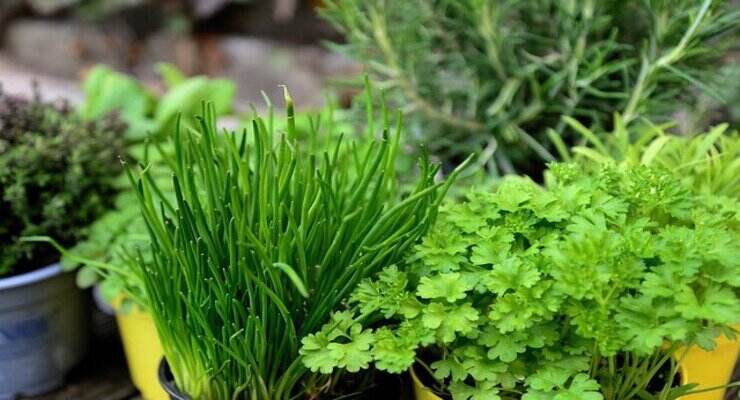
✔ First Year – It grows as the well-known, delicious aromatic herb rich in vitamin C, beta-carotene, calcium, iron, and folic acid.
❌ Second Year – It blooms and produces seeds, which contain parsley oil with a dangerous compound called apiol.
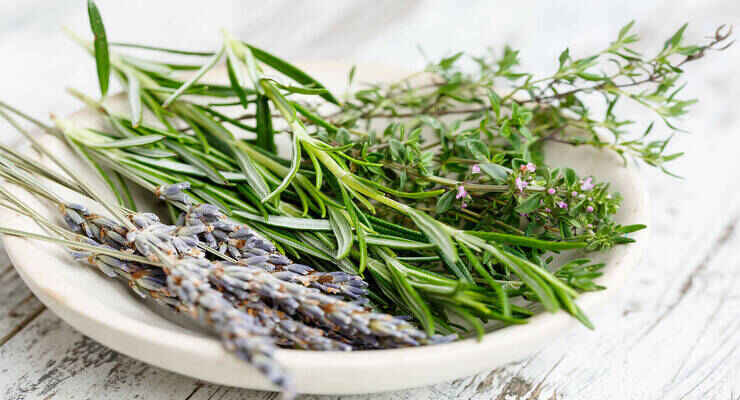
⚠️ Why Is Apiol Dangerous?
Apiol affects muscle fibers, the uterus, and intestines, potentially leading to:
- Liver and kidney damage
- Intestinal issues
- Allergic reactions
- Severe toxicity in high doses
While the leaves are safe for cooking, the flowers, stems, and seeds of a blooming parsley plant can be harmful. If you grow parsley at home, be sure to harvest it before it flowers and avoid contact with the seeds.
🥔 Another Hidden Danger in Your Kitchen: Green Potatoes!
Parsley isn’t the only common ingredient that can be toxic. Green potatoes contain a toxin called solanine, which can be harmful if consumed.
🚨 What Makes Green Potatoes Dangerous?
- Solanine is naturally present in potatoes but increases when exposed to light, turning the skin green.
- Consuming high amounts of solanine can cause nausea, headaches, digestive issues, and even neurological problems.
- To avoid poisoning, always store potatoes in a cool, dark place and discard any that have turned green.
🌿 Stay Safe While Cooking!
✅ Use parsley only before it blooms—avoid flowers, seeds, and stems.
✅ Check potatoes for green spots and remove them before cooking.
✅ Store herbs and vegetables properly to prevent toxin formation.
By following these simple precautions, you can continue to enjoy delicious and safe meals without any risk to your health! 🚨🍽️