Succulents are beloved for their unique beauty and ability to store water, making them a favorite for both experienced gardeners and beginners alike. These plants can thrive with minimal care, making them ideal for home decor. But have you ever wondered why succulents turn red sometimes? It’s not just a change in their look—there’s a deeper reason behind it. Let’s explore why this happens and how you can care for your succulents when they undergo this transformation.
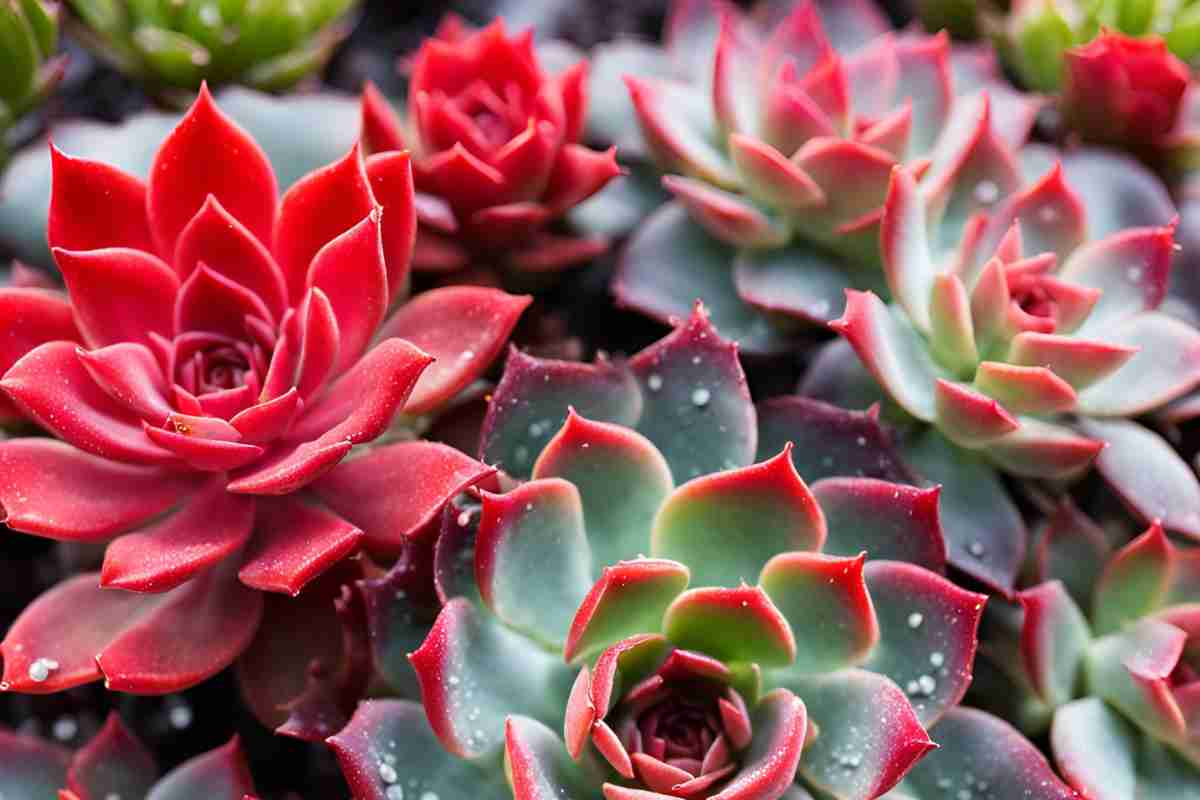
🌱 What Causes Succulents to Turn Red?
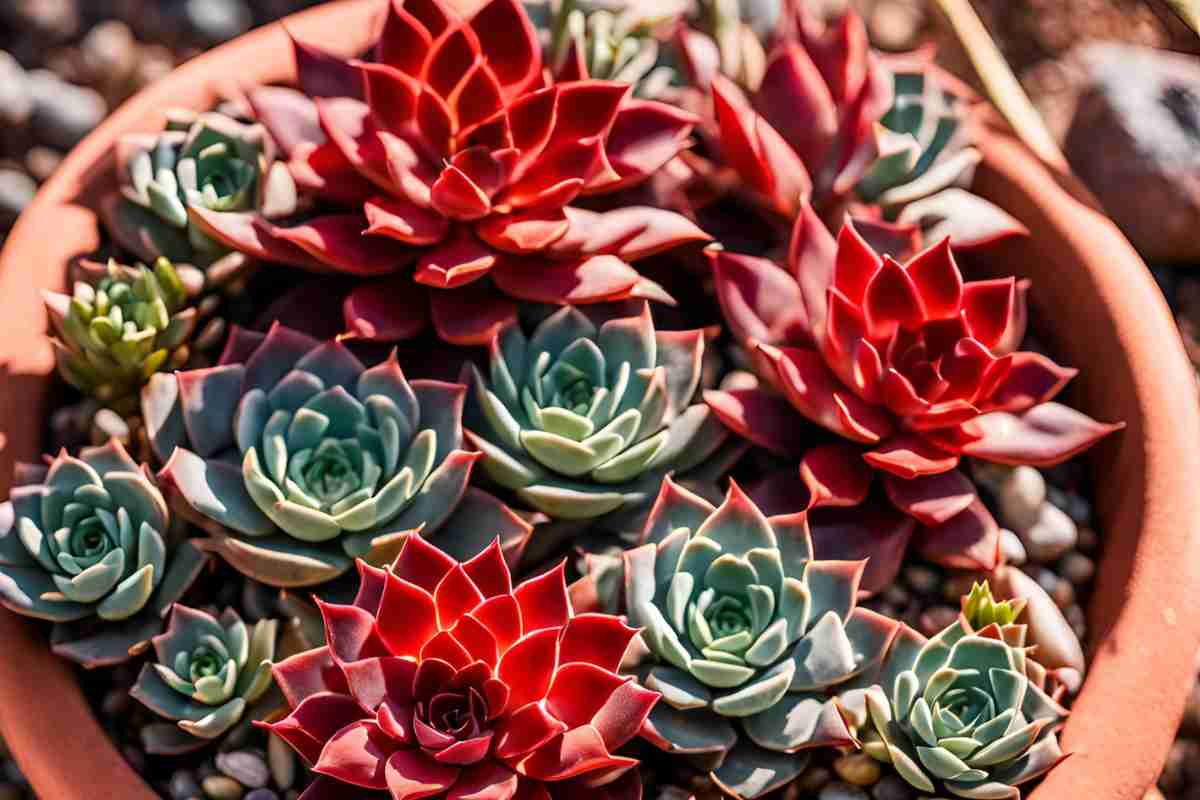
Succulents are typically green, but occasionally, they may develop a red or even purple hue. While this might seem alarming at first, it’s not always a bad sign. The color change can happen for a number of reasons, some of which may be surprising.
Red coloration often appears as a response to stressful conditions, indicating that the plant is experiencing some environmental challenge. Factors like temperature, light exposure, and watering habits all play a role in this color shift.
🌞 Environmental Factors and Stress
Temperature and Sunlight
Succulents are native to hot, arid climates, and they need sunlight to thrive. Typically, they require at least four hours of sunlight a day. When they don’t receive enough sunlight, they can undergo stress, which might lead to their color changing to red. This is actually their way of adapting and signaling discomfort.
- If the temperature drops below 20°C or rises above 30°C, it can cause stress, triggering the color change.
- On the flip side, sunburn or too much sunlight can also cause succulents to redden.
💧 Overwatering and Other Signs of Stress
While a red color could simply indicate a natural adaptation, it may also be a sign of overwatering. When succulents are watered too much, they often show this discomfort by turning red as a way of signaling distress.
In contrast, if the plant turns gray, it might be experiencing climatic stress from too much wind or frequent repotting. These factors can disrupt the plant’s ability to thrive, leading to changes in its appearance.
🌿 Is Your Succulent Dying? How to Tell
If your succulent turns red, it doesn’t necessarily mean it’s dying. In fact, with the right care, you can often fix the problem and restore the plant to its healthy state. Here’s what you can do:
- Ensure that the plant’s temperature stays between 20°C and 30°C.
- Pay attention to your watering habits to avoid overwatering.
- Place the succulent in a well-lit area but avoid harsh direct sunlight that could burn it.
- Consider reducing the stressors around the plant, like avoiding overhandling or frequent repotting.
🌱 How to Keep Your Succulents Healthy
Succulents are low-maintenance plants, but that doesn’t mean they don’t need some care. To ensure they stay healthy and avoid unnecessary color changes, here are a few essential tips:
- Watering: Succulents prefer dry soil. Water them only when the soil is dry, and ensure the pot has good drainage to prevent waterlogging.
- Sunlight: Succulents love the sun. Make sure they receive adequate sunlight, but not too much to avoid burning.
- Temperature: Keep the plant in an area with stable temperatures, away from drafts or extreme heat.
🏠 Succulents and Health Benefits
Besides their beauty, succulents are more than just decorative plants. They help purify the air by removing toxins and organic compounds, making your living space healthier. So, not only do they look great, but they also contribute to a cleaner environment inside your home.
🌸 Conclusion
If your succulent turns red, don’t panic! It’s a natural response to environmental conditions. Understanding the factors that contribute to this color change, such as light exposure, temperature, and watering, will help you keep your plant healthy and vibrant. With a little attention to these details, your succulents can continue to thrive and add beauty to your home. 🌱