You love your plants: you love pampering them, you follow gardening advice to the letter and you panic at the idea of seeing them die before their time. We’re not going to contradict you, having plants at home is a real joy. Not only do they bring a tropical touch to our interior decoration, but they also help purify the air and clean up the environment. Not to mention that they are calming and so beautiful to contemplate.
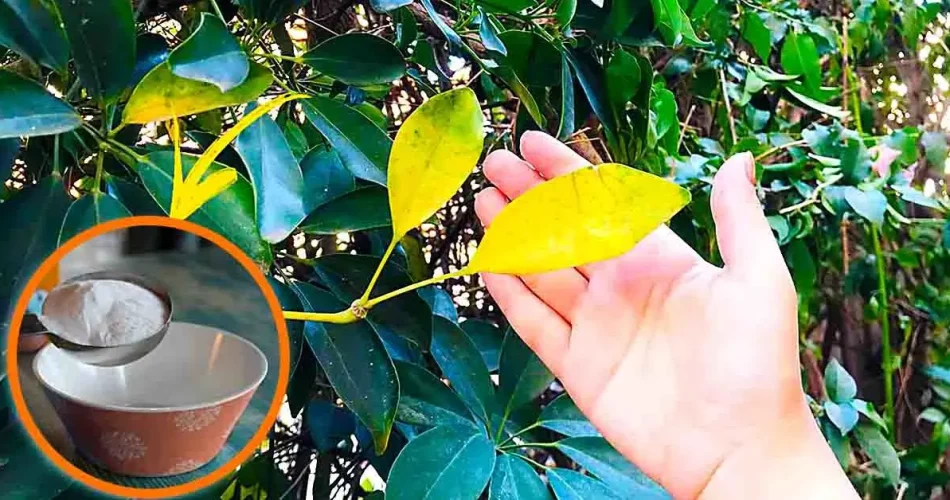
The only downside: the appearance of yellow leaves. A symptom specific to plants whose origin we cannot always identify. And suffice to say that we really feel helpless in the face of this phenomenon.
Of course, the most common reason for yellowing leaves, which we all know, is seasonal: the arrival of autumn causes them to turn yellow and fall off. It is therefore a natural phenomenon independent of our will. However, there are still many other factors that we suspect less: nutrient deficiency, excess watering, bad location, diseases, drafts. Fortunately, a few simple actions and good habits can anticipate the problem and avoid these yellow spots.
Rest assured, the leaves are constantly renewing themselves. But still avoid certain mistakes and use the right care to preserve the health of your plants. Let’s find out together what can cause yellowing of leaves and how to fix it.
Watering Plants
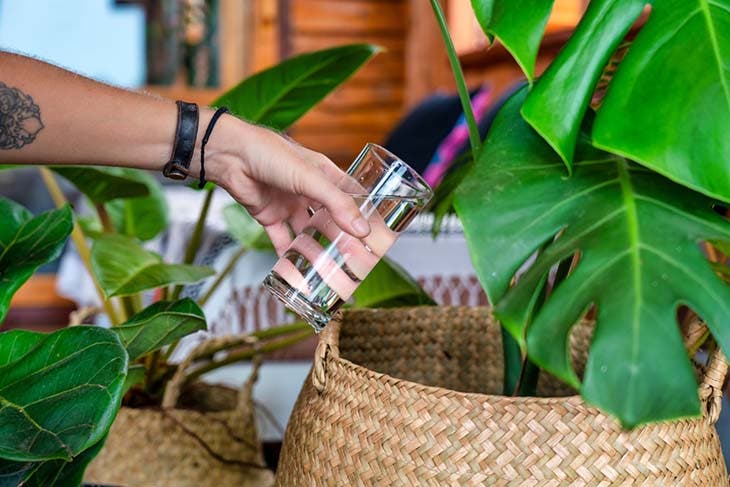
Overwatering is one of the most common problems that can lead to yellowing of leaves.
You should know that plants are not alike: each plant is unique and requires special maintenance. Unlike others, some plants cannot tolerate a lot of water. Also, the more you water them, the more their roots begin to rot, leading the leaves to turn yellow quickly.
To resolve this problem, remove standing water immediately and change the amount of water you usually water your plant with.
At the same time, check if pathogenic fungi have developed: you can fight them with a mixture of water and baking soda that you can spray directly on the plant.
NB: baking soda will act as a natural fungicide. This white powder is often used to protect crops against fungi and other undesirables that invade plants. Bicarbonate particularly prevents fungal plant diseases, such as downy mildew or powdery mildew.
Lack of Nutrients
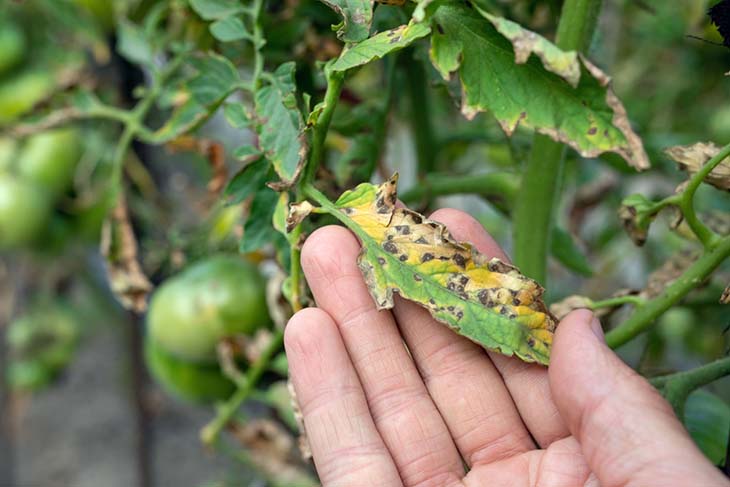
Yellowing leaves also result from a lack of nutrients.
Often the plant, especially if it is an ornamental plant, is deficient in nitrogen. In this case, the remedy is to fertilize in soil that is not wet.
Iron deficiency is more common in other plants. Note that iron affects the production of chlorophyll and, in its absence, the green pigment is lost, which leads the leaves to yellow or even whiten.
You can remedy this by spraying the plant with iron chelate solutions or choosing less acidic soil for the plant.
The Water
Did you water your plants with tap water? Well, chances are the limestone has changed the acidity or composition of the soil.
Little tip: it is always better to use distilled water or rainwater. In case you use the latter, let it sit for at least 48 hours before application. So be careful not to use the last bit of water left at the bottom.
The Sun
Yellow leaves can also be the effect of excessive sun exposure.
Often this can be due to placing the plant near a window, the glass can amplify the sun’s rays and damage the leaves. In this case, you can simply find a cooler, shadier spot for your plant.
The Light
Each plant species has its own light requirements. Some, like geraniums, like light, others, like hydrangeas, prefer partial shade.
However, usually when the plant does not receive enough light, it does not produce chlorophyll and as a result the leaves turn yellow. To remedy this, you just need to place the plant in a brighter location.
The Wind
Some plants, particularly ornamental plants, cannot tolerate wind or drafts.
It is the smallest, recently emerged leaves that are the most delicate and need protection.
Simply move the plant to a location less exposed to the wind so that the leaves return to their natural color.
Pests
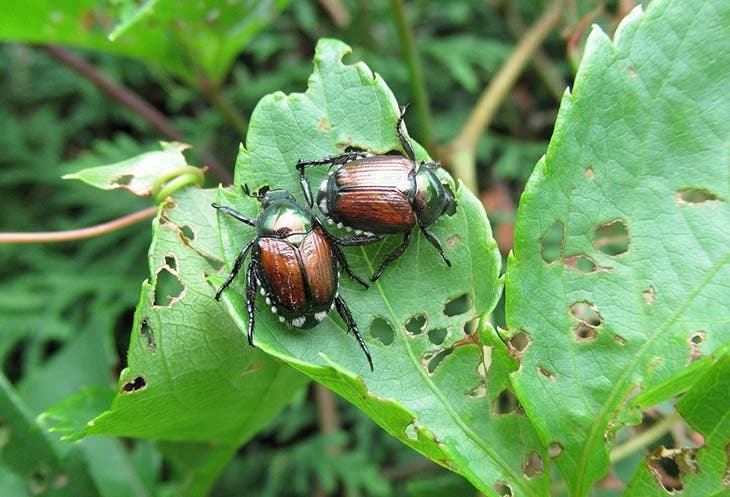
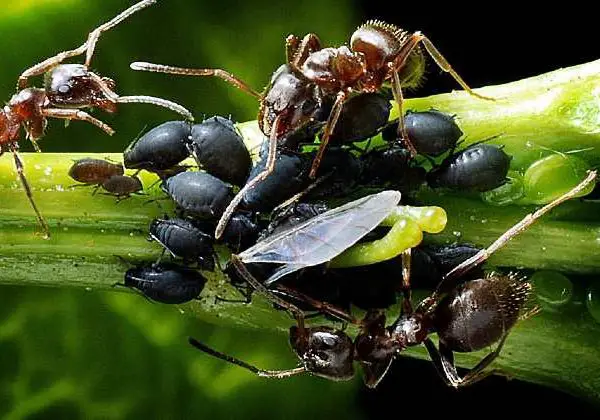
Yellow leaves can also be caused by the presence of pests on your plant. Those that normally cause yellowing of leaves are mealybugs and spider mites.
You can keep these pests away through various natural methods. One of the most effective is Marseille soap and water, spray the mixture directly on the plant using a spray bottle. A natural insecticide, this soap popularized by our grandmothers, is particularly suitable for repelling many undesirables such as lice and aphids. It is also effective against the infestation of mealybugs which cause fungal diseases such as sooty mold.
You can also opt for linseed oil, which can be applied to the plant using a sprayer or a soaked cotton ball. This 100% natural product with protective properties, which is generally used to maintain wood, is very effective in repelling parasites.
Advice
If you cannot determine the exact cause of the yellowing of the leaves, keep in mind that it is always important to keep the plant in good conditions: no direct exposure to sunlight or drafts, and a place that benefits from suitable light.
Generally, to prevent yellow leaves, a common remedy is recommended: spraying the plant with a mixture of water and white vinegar. Combined together, these two elements dissolve excess salt on the leaves, one of the culprits of yellowing.