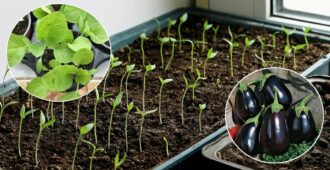
Embrace the winter months as an opportunity to get a head start on growing eggplants by sowing seeds for healthy seedlings. Discover the optimal timing and proper techniques for sowing eggplants to ensure robust growth and abundant harvests.
Timing for Winter Eggplant Sowing:
- Plan Ahead: Determine the desired transplanting date for your eggplants by calculating the last frost date in your area. Count back 6 to 8 weeks to find the ideal sowing date for winter.
- Choose the Right Time: Sow eggplant seeds indoors 6 to 8 weeks before your anticipated transplanting date. This timing allows seedlings to develop sufficiently before moving them outdoors.
How to Sow Eggplants for Winter Seedlings:
- Select Containers: Choose seedling trays or small pots with good drainage. Ensure they are clean and sterile to prevent disease.
- Prepare Potting Mix: Fill the containers with a well-draining potting mix enriched with compost or organic matter. Moisten the mix lightly before sowing.
- Sow Seeds: Sow eggplant seeds into the prepared containers at a depth of ¼ to ½ inch. Space the seeds 2 inches apart to allow room for growth.
- Provide Optimal Conditions: Place the containers in a warm, bright location with indirect sunlight. Maintain consistent moisture levels and avoid overwatering to prevent damping off.
- Monitor Growth: Keep a close eye on seedlings as they germinate and grow. Thin out weaker seedlings to allow the strongest to thrive.
Key Tips for Winter Eggplant Sowing:
- Use heating mats or grow lights to provide additional warmth and light during winter.
- Transplant seedlings carefully after all danger of frost has passed, hardening them off gradually before planting in the garden.
By sowing eggplants in winter, you can jumpstart your growing season and enjoy earlier harvests of this versatile vegetable. Follow these guidelines carefully to ensure strong, healthy seedlings, setting the stage for a bountiful eggplant harvest in the months to come.
Show Comments