To grow healthily and flourish, plants need fertilizer. The latter are organic or mineral substances which provide the soil with the nutrients necessary to stimulate the flowering or fruiting of plants. That said, to fertilize your plants, you can opt for natural fertilizers, which you find in your kitchen. Find out why you shouldn’t throw away this cooking water, which is a real miracle for your houseplants.
Throwing away the cooking water from vegetables is a common household mistake. This is full of benefits for your indoor plants. So remember to recycle it and share it with your plants.
Why shouldn’t you throw away the artichoke cooking water?
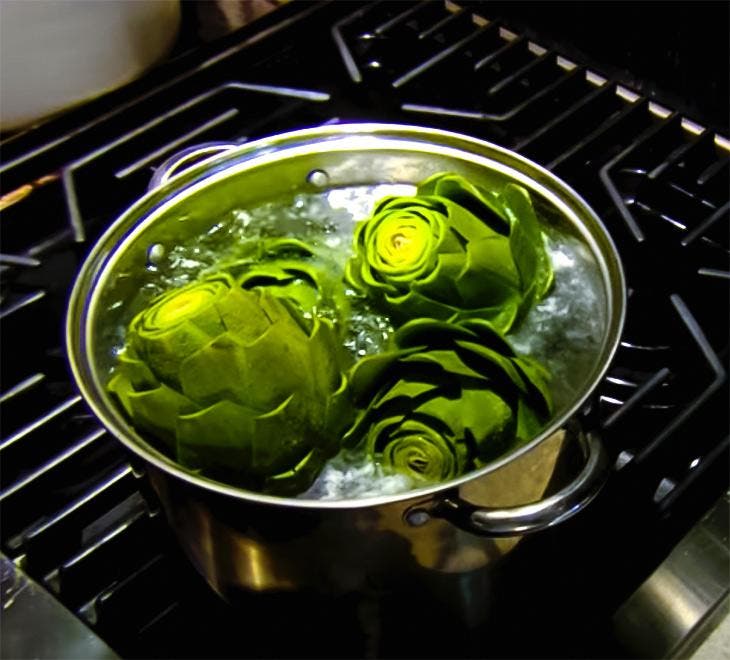
Generally speaking, vegetable cooking water is full of vitamins and minerals, naturally present in vegetables. It can then be used as a natural fertilizer to fertilize your indoor plants.
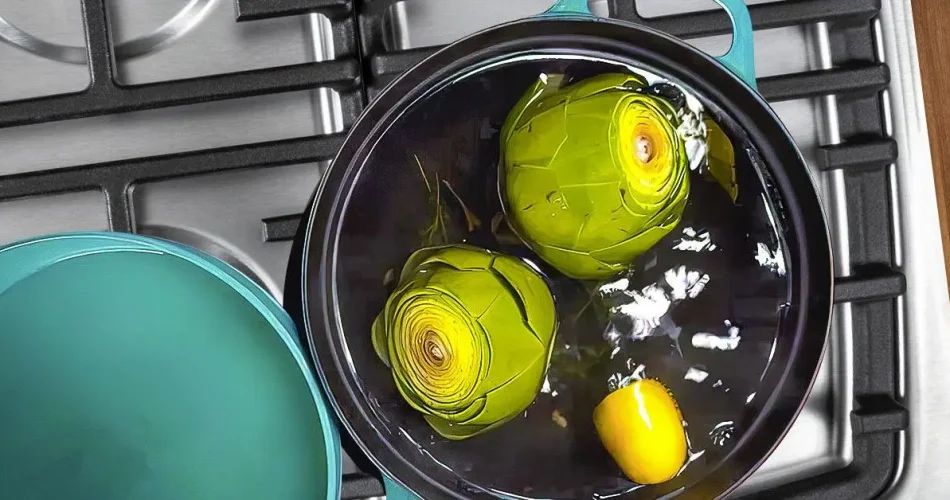
The cooking water that must be kept is that of the artichokes. The mineral salts released by artichokes into the water allow you to nourish your houseplants and make them more vigorous and luxuriant.
Note that the main nutrients that a green plant needs are: potassium, which strengthens the plant’s natural defenses and regulates its water supply, phosphorus, which stimulates the development of the plant’s root system and promotes its flowering or its fruiting and finally nitrogen, which stimulates plant growth and promotes the production of new tissues.
How to use vegetable cooking water to water your garden?
Please note that you can use the cooking water from any vegetable, as long as it is organic. Processed vegetables high in pesticides are as bad for your health as they are for the health of the plants.
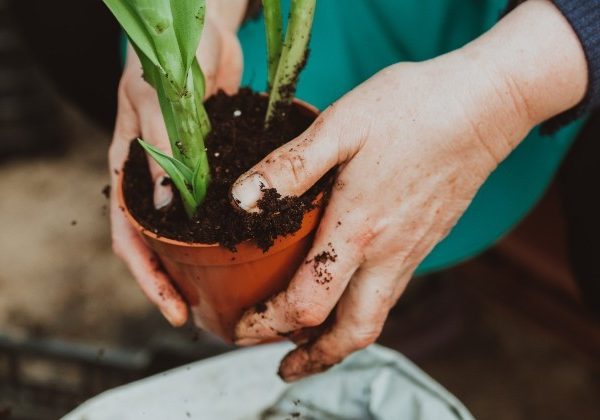
After collecting the cooking water, let it cool and then use it to water your plants. Note that this should not be salty.
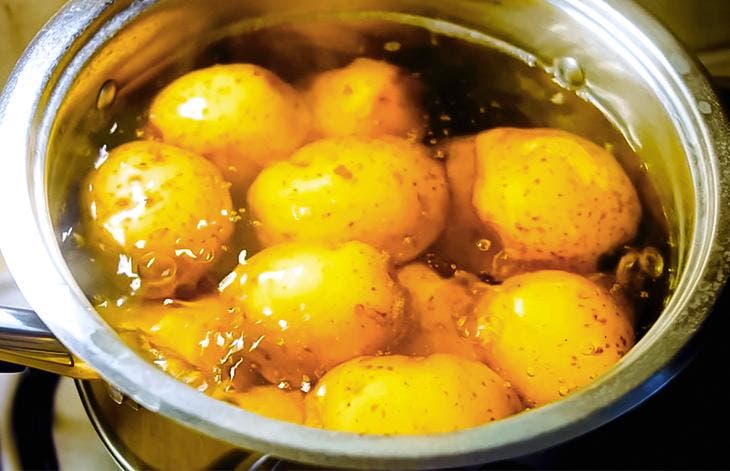
In addition to serving as a natural fertilizer, the water from cooking vegetables, especially potatoes, can also be used to kill weeds, thanks to its starch content. To benefit from this natural weedkiller, cook the potatoes in water, keeping their skins on, and in this case, add salt to make your weedkiller more effective. Let the cooking water cool and pour it over the herbs you want to remove.
What other cooking water can be used as plant fertilizer?
Like artichoke cooking water, there are many other alternatives that are just as beneficial for plants. Here are some examples:
1. Pasta cooking water
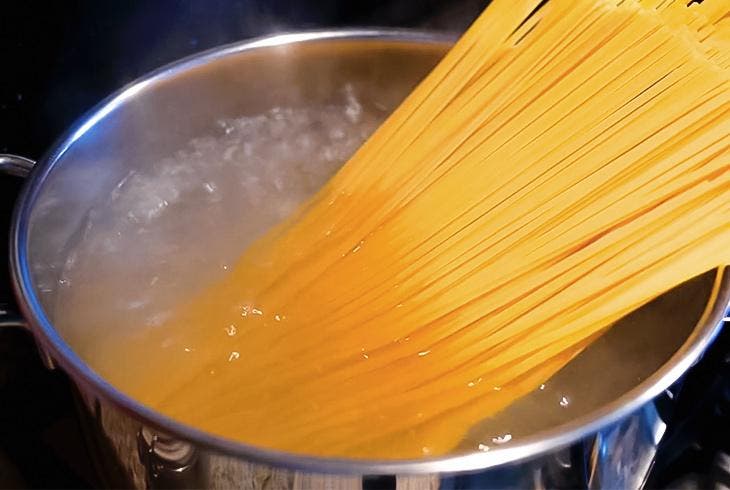
Pasta cooking water is also beneficial for your plants. Rich in minerals and nutrients, it can be used as watering water for your plants , in order to fertilize them and provide them with the essential nutrients for their growth. Note that this water should not be salty. It is also important to let it cool before using it.
Furthermore, when it is salty, and thanks to its starch content, pasta water can be used to weed your garden. However, be careful not to use it while it is boiling.
2. Egg cooking water
Egg cooking water can also be used as a liquid fertilizer, and for good reason, eggs are rich in calcium and nutrients beneficial for plant growth. To do this, simply pour the egg cooking water at the base of your plants, after it has cooled. Note that eggshells are also beneficial for your plants. You can in fact grind them and sprinkle them on the soil of plants, in order to protect them from ants, slugs, and parasites which can ravage them.
That said, thanks to the vegetable cooking water, you will be able to fertilize your indoor green plants, without resorting to chemical fertilizers . Note that other natural ingredients can be used as fertilizer for your plants, such as coffee grounds, nettle manure or the peels of certain fruits such as bananas and citrus fruits.
How to cook artichokes and for how long?
Cooking artichokes the wrong way gives us a stomach ache, we’ve all experienced it! However, to do things right, there are certain things to respect. So, before you start cooking this dicotyledonous plant, you must first check if the outer leaves are not damaged. If so, remove them immediately. Then cook them for 20 to 40 minutes (depending on the size of the artichoke) by immersing them entirely in salted water. Otherwise, you can opt for steam cooking which only lasts 10 minutes!
Drinking Artichoke Juice: Nutritional properties
The nutrients contained in a whole artichoke or in juice form are numerous! It includes potassium, iron, vitamin B1, fiber, magnesium, calcium and cynarin. In addition, being appreciated both for its heart and its leaves, this vegetable has cleansing and purifying properties that are very beneficial for our body.