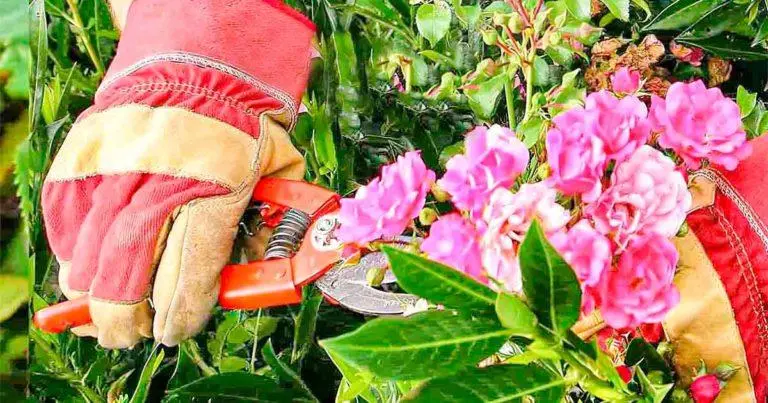
The rose bush is a robust and vigorous flowering shrub. Its flowers in different colors brighten up gardens, especially in spring. But in the absence of regular maintenance, you can easily end up with a disordered shrub. Pruning then becomes necessary. Find out why you need to prune rose bushes in September, and how to do it correctly.
Pruning is an important step for all plants. This promotes their flowering or fruiting, and also helps protect them from diseases and make them more vigorous. That said, to take care of your rose bush and obtain abundant flowering, consider pruning it from the beginning of fall.
Why should you prune rose bushes in September and how to do it correctly?
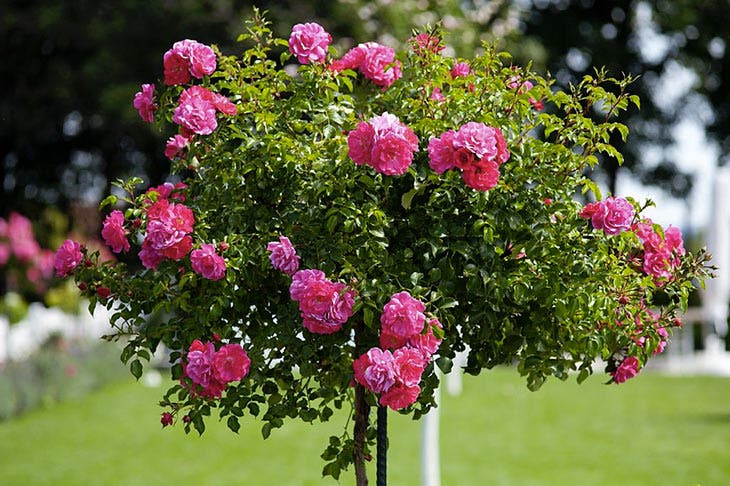
To maintain your rose bush, promote its healthy growth and stimulate its flowering. A size is required.
- Why prune the rose bush in September?
When autumn arrives, that is to say from September 23, the rose bushes need a preparatory pruning, before the more severe pruning in spring. Fall pruning is considered optional and is less practiced, but it is nevertheless useful because it helps maintain your shrub and complements spring pruning. Indeed, autumn pruning allows you to clean the rose bushes. However, this is not recommended in regions with cold climates so as not to risk weakening it.
Fall pruning is beneficial for many varieties of rose bushes. Concerning the non-everbearing rose bush, that is to say which only flowers once in the season, it is advisable to prune it from the beginning of autumn, or wait until the end of winter to do so. . Everbearing roses which flower several times during the season also need autumn pruning. This helps promote the formation of new branches to prepare for the next flowering.
- How to properly prune the rose bush?
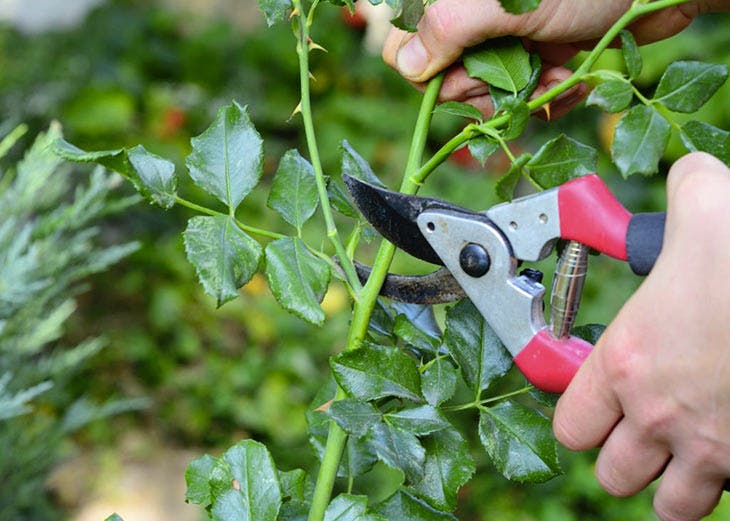
To successfully prune the rose bush in autumn, remove dead wood, fragile twigs and old branches from the base using pruning shears. Also remove diseased or rotten branches. If you keep them, your shrub may deteriorate in winter and contaminate nearby plants. Also get rid of dead leaves at the base of your rose bushes and avoid adding them to the compost pile. These can carry diseases that affect rose bushes, and therefore increase the risk of contamination.
After this cleaning, also shorten your rose bush which consists of reducing the length of the branches. If you want to keep these, be sure to only cut them in half. Keep those which are the most vigorous, and prune at an angle, 1cm above a bud which seems to you to be facing the outside of the branch. If you prune too short, you risk making your rose bush more vulnerable to the cold and frosts of winter. The branches that clutter the heart of your rose bush must also be pruned.
When pruning your rose bush, it is also important to differentiate between suckers and young shoots. A sucker is a secondary branch that grows on the main branches of your shrub or plant. The sucker does not produce flowers or fruit and depletes your plant because it absorbs its sap. It is then recommended to remove this aerial branch to promote the development and flowering of your rose bush. You can recognize a gourmand by its foliage. The leaves have 7 lobes, instead of 5. The young shoots must, however, be preserved, because they will subsequently give a flowering branch.
This fall pruning cleans your rosebush of diseased or old branches that clutter it and encourages the flowering of your shrub.