In the summer, when temperatures soar, plants tend to lose more water and dry out. Keeping them hydrated is essential, as water plays a vital role in transporting nutrients from the soil to the cells of the plants. To ensure your flowering garden thrives, it’s important to know the ideal time to water your plants and avoid water loss.
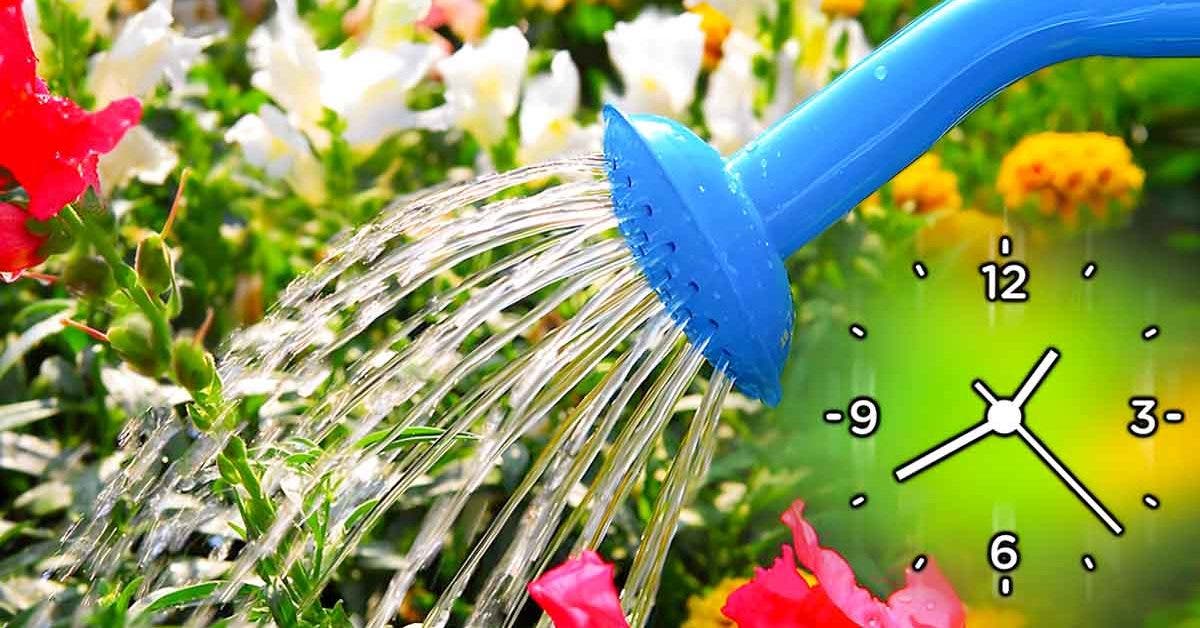
When Should You Water Garden Flowers in Summer?
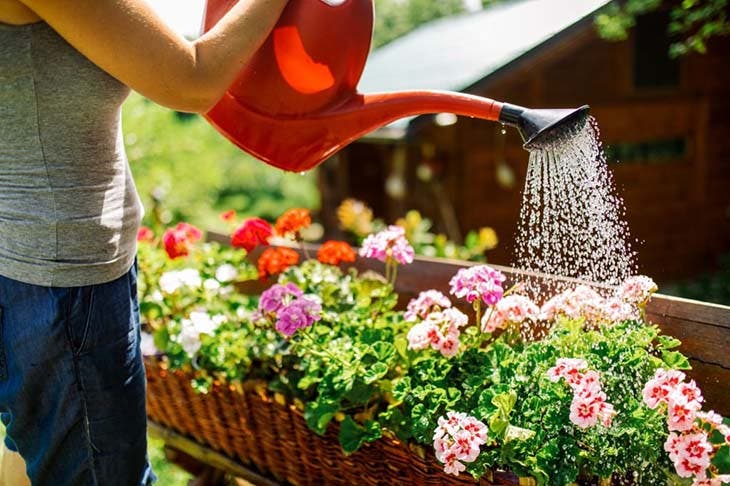
In the summer, the best time to water your flowering plants is in the evening. This allows plants to absorb water more effectively while minimizing loss due to evaporation, ensuring proper hydration.
Tip: Regularly check the condition of the soil to prevent your flowers, as well as your vegetable plants, from drying out. For water-hungry plants, water them as soon as the soil dries out on the surface. For plants with an average water requirement, water when the soil is dry at a depth of about 5 cm. Plants with low water needs can wait until the soil is dry at a depth of 8 to 10 cm.
How to Successfully Water Flowers in Summer?
During extremely hot days, it’s advisable to water the plants copiously, but less frequently. Watering in small amounts every day is counterproductive, as it encourages plants to develop their root systems near the surface rather than deeper in the soil. Therefore, water generously but space out your waterings.
To hydrate the soil and roots effectively, consider watering your plants in two passes. This method lightly moistens the soil first, facilitating deeper water infiltration during the second watering. Additionally, water evaporates less quickly when moisture reaches deeper levels.
Be sure to water at the base of your flowering plants, avoiding wetting the foliage. This technique not only hydrates the plants effectively but also saves water and helps prevent the growth of weeds and pests like slugs. Keeping the foliage dry also reduces humidity, minimizing the risk of fungal diseases. Use a watering can without the shower head to water from the neck. A drip irrigation system is also highly recommended for efficient watering.
To enhance hydration for your flowering plants, consider weeding your garden. Weeds compete for water and resources, so removing them allows your flowers to benefit more from watering.
Mulching for Better Soil Conditions

In summer, mulching can help keep the soil cool and reduce the frequency of watering. Simply place straw at the base of your plants. Mulching not only retains soil moisture but also saves you time and effort.
By watering your flowering plants in the evening and following these watering guidelines, you’ll ensure they remain hydrated and protected from drying out.