Spices play a vital role in cooking, enhancing the flavors of dishes and bringing them an exquisite taste. These flavorful ingredients come from different parts of plants — for instance, cinnamon is from bark, ginger is a rhizome, and pepper is a fruit. If you’re looking to grow your own organic spices, March is an excellent time to plant several varieties. Along with their culinary benefits, many spices also offer medicinal properties. Here are some great spices to plant in March:

1. Planting Turmeric
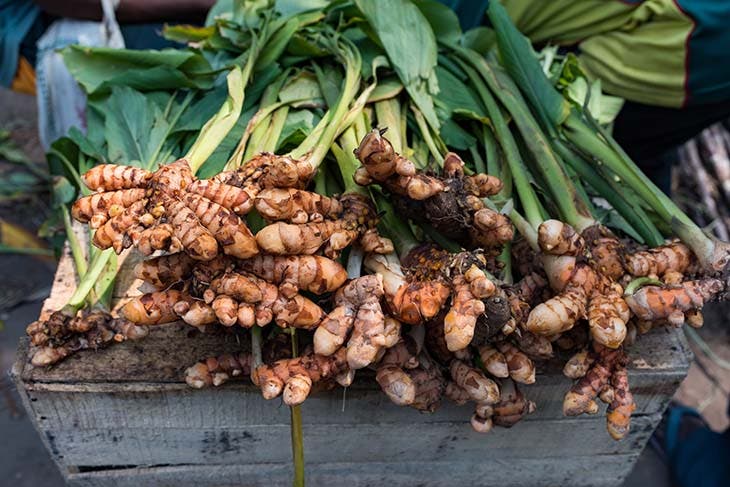
Turmeric is a vibrant yellow spice derived from the rhizome of a plant in the ginger family. Also known as Indian saffron, it’s a key ingredient in curry powder. Native to India, turmeric can be planted between February and May.
To grow turmeric at home:
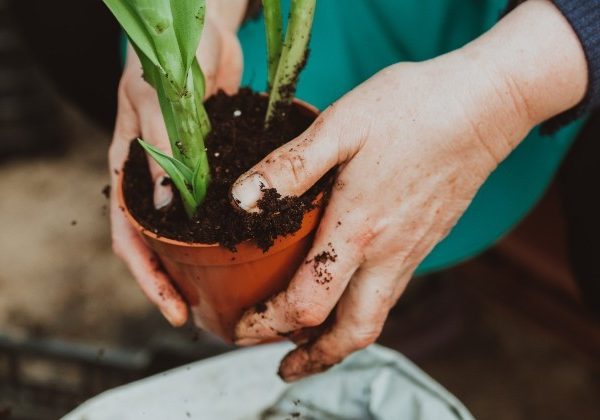
- Start by placing a layer of clay balls or gravel at the bottom of your pot to improve drainage.
- Fill the pot with a mixture of organic potting soil and river sand, then plant the turmeric rhizomes.
- Keep the pot in a bright location, but avoid direct sunlight, which could dry out the plant.
- Water regularly, but ensure the soil does not become waterlogged, as stagnant water can cause root rot.
- Fertilize once a month with an indoor plant fertilizer to encourage healthy growth.
2. Planting Ginger
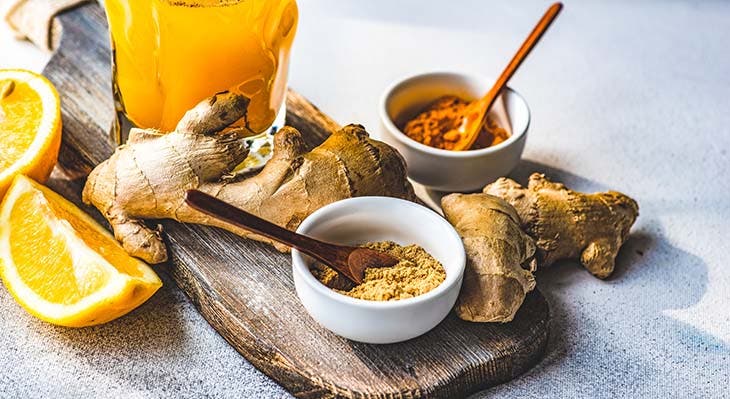
Ginger is an herbaceous tropical plant native to Asia and is best planted at the end of winter, in March. Known for its aromatic and health-boosting properties, ginger is rich in vitamin B3, calcium, phosphorus, and magnesium.
To grow ginger at home:
- Choose a deep pot with drainage holes and add pebbles at the bottom to prevent soil compaction.
- Fill the pot with well-draining soil, and place the ginger rhizome on top of the soil, without burying it completely.
- Keep the plant in a warm environment with temperatures between 20-21°C and provide consistent moisture.
- Avoid overwatering to prevent root rot, but increase watering once the stems appear.
- Ginger loves humidity, so it’s ideal to grow in a warm, humid spot.
3. Planting Cumin
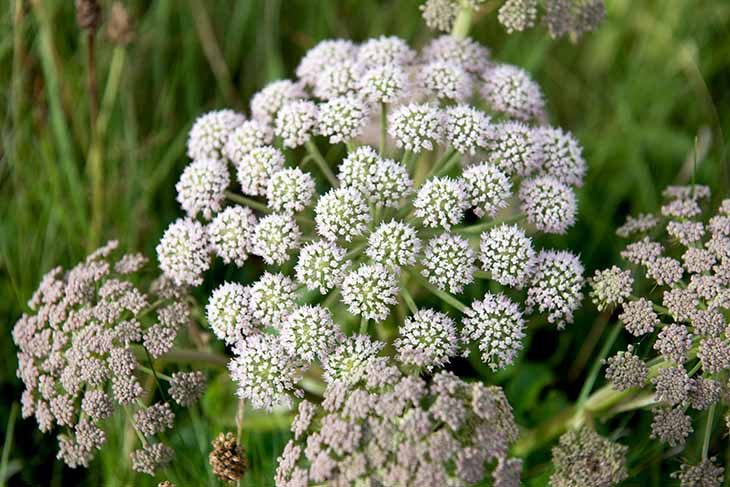
Cumin is an annual spice native to the Middle East and belongs to the Apiaceae family, which includes parsley. This Mediterranean plant can be sown between March and May and produces fragrant white (sometimes purple) flowers in the summer. Along with its aromatic use in cooking, cumin has therapeutic properties, especially for digestive health.
To grow cumin successfully:
- Use well-draining, humus-rich soil for the best results.
- Keep the plant in full sun and ensure the soil remains moist, especially during dry spells.
- For outdoor cultivation, sow the cumin seeds directly into the garden, as it does not transplant well.
Additional Herbs and Aromatics to Plant in March
Along with these spices, March is a great time to plant aromatic herbs such as dill, thyme, rosemary, chives, verbena, anise, and water mint. These herbs are perfect for flavoring your dishes and enhancing your meals with their fragrant and flavorful properties. You can even create bouquets garnis by grouping your favorite herbs together for easy seasoning in your cooking.
By planting these spices in March, you can enjoy fresh, homegrown ingredients in your cooking all year round, while also taking advantage of their medicinal and culinary benefits.