Did you know that aspirin, a common medicine used for headaches and fever, could actually be good for your plants? Turns out, it can help plants manage stress and even boost their growth. Let’s explore how this simple remedy can make your plants stronger, healthier, and more vibrant!
🌱 Why Aspirin is Beneficial for Plants

Aspirin contains an active ingredient called acetylsalicylic acid, which is derived from salicylic acid. This substance is naturally found in plants, especially in the bark of willows. Plants even produce salicylic acid when they are stressed. By adding more of this compound to the plant’s environment, we can help strengthen its immune system and overall health.
💡 Key Benefits of Aspirin for Plants
- Increases plant size and yield
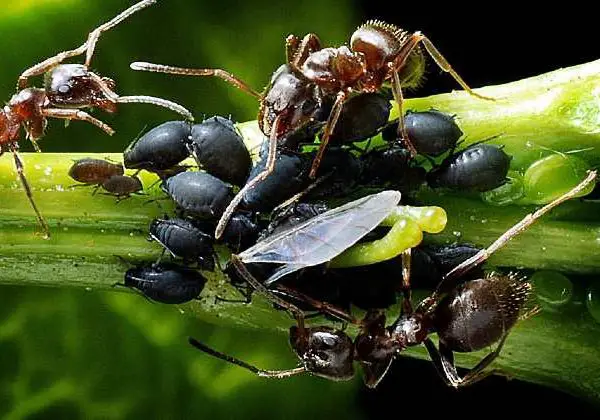
- Makes plants more resistant to pests and diseases
- Promotes germination
🌿 How to Use Aspirin for Plants
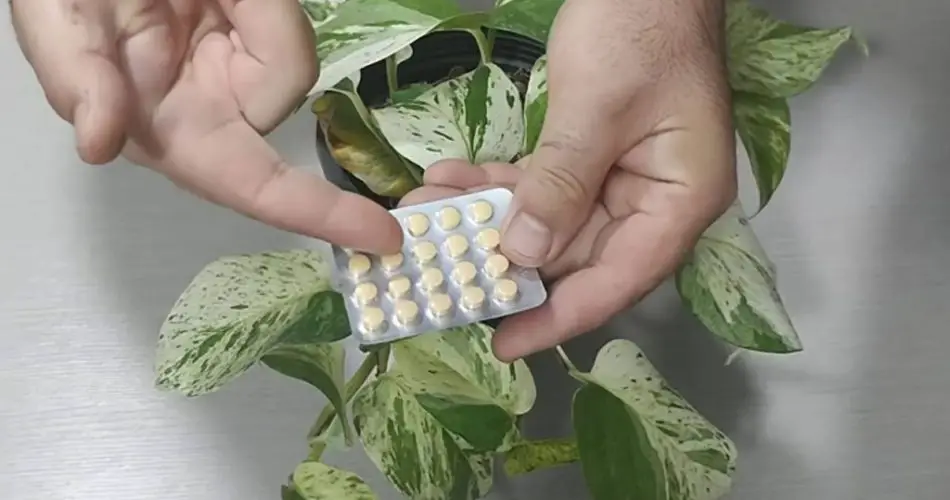
To give your plants a boost, simply dissolve one aspirin tablet in 1 liter of water and water your plants with the solution. This can help in a variety of ways.
🌼 Additional Uses for Aspirin in Gardening
1. Help for Transplanted or Cut Flowers
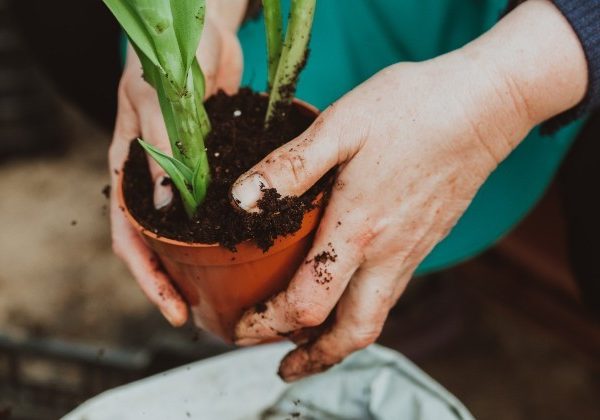
Aspirin is a powerful rooting agent. When used on transplanted plants, it can promote strong, healthy roots. You can also use it to delay wilting in cut flowers. Just dissolve half an aspirin tablet in the water of your flower vase to make them last longer.
2. Tomato Cultivation and Protection
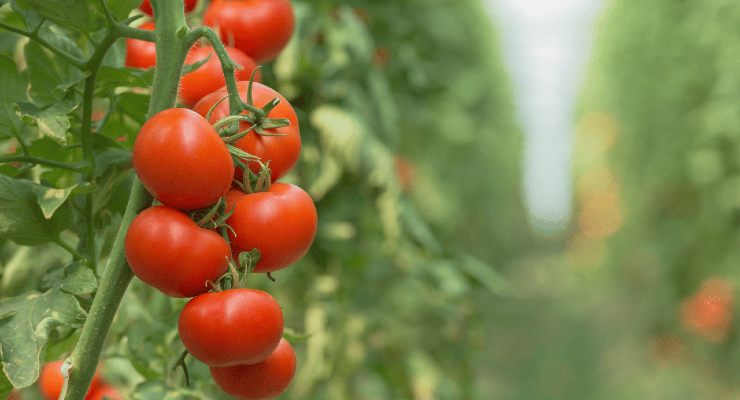
Aspirin is an excellent tool for tomato cultivation. It helps protect the plants from diseases and ensures they grow better. You can spray the tomato plants with a water-aspirin solution or soak tomato seeds in it for better results.
3. Disease and Fungus Prevention
If your plants are struggling with fungus or diseases, an aspirin solution can help prevent these issues. It also speeds up the recovery of burned shoots.
⚠️ Precautions and Side Effects
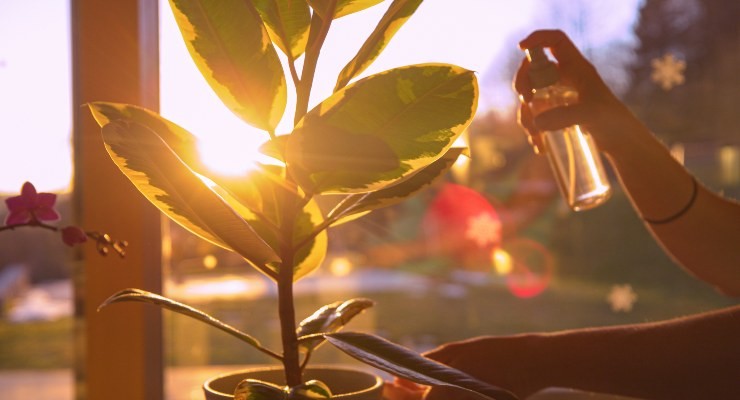
While aspirin can be beneficial, incorrect usage can harm your plants. Overuse may cause burns on the leaves, seen as brown spots. To avoid this, spray your aspirin solution early in the morning so the leaves can dry out before the evening.
Be cautious with bees and other pollinators, as aspirin may negatively affect them. To protect them, use the solution on indoor plants or apply it in the early morning hours, well before bees are active.
🌸 Conclusion
Aspirin can be a surprising ally for your plants. From boosting growth to protecting against pests and diseases, this common household item is an affordable and natural solution for plant care. Just remember to use it correctly to avoid side effects, and your plants will thrive! 🌱
💬 Have you ever tried using aspirin on your plants? Share your experiences below!