Achieving lush, vibrant blooms and healthy vegetables in your garden often comes down to using the right fertilizer. Whether you’re nurturing gardenia plants, growing a variety of vegetables, or tending to an array of flowering plants, the right fertilizer can make all the difference. Here’s how to create and use the most powerful fertilizer to boost your garden’s productivity.
Ingredients for a Powerful All-Purpose Fertilizer
- Composted Organic Matter: Provides essential nutrients and improves soil structure.
- Bone Meal: High in phosphorus, which promotes flowering and fruiting.
- Epsom Salts: Supplies magnesium, crucial for photosynthesis.
- Fish Emulsion: Rich in nitrogen and trace elements for overall plant health.
- Kelp Meal: Adds potassium and micronutrients for vigorous growth.
- Coffee Grounds: Adds nitrogen and improves soil acidity, especially beneficial for acid-loving plants like gardenias.
How to Make and Apply the Fertilizer
1. Gather Ingredients
- Composted Organic Matter: 2 parts
- Bone Meal: 1 part
- Epsom Salts: 1 part
- Fish Emulsion: 1 part
- Kelp Meal: 1 part
- Coffee Grounds: 1 part
2. Mix the Ingredients
- Combine Thoroughly: Mix all the ingredients together in a large container. Ensure they are evenly distributed to create a balanced fertilizer blend.
3. Application Methods
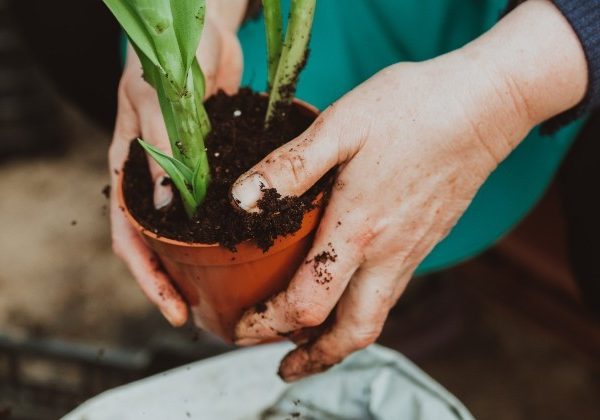
- Soil Preparation: Before planting, work the fertilizer mix into the soil. For gardenias and flowering plants, ensure the soil is well-drained and slightly acidic.
- Top Dressing: For established plants, apply the fertilizer mix around the base of the plants. Avoid direct contact with the stems to prevent burning.
- Liquid Fertilizer: Create a liquid fertilizer by steeping 1 cup of the fertilizer mix in 1 gallon of water for 24 hours. Strain and use the liquid to water your plants every 2-4 weeks.
Specific Tips for Different Plants
Gardenia Plants
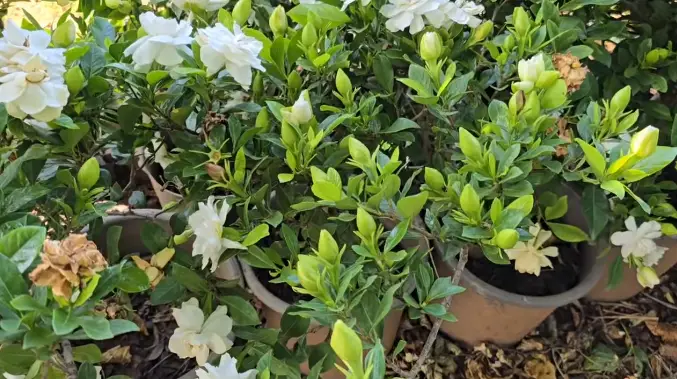
- Acidic Soil: Gardenias thrive in slightly acidic soil. Incorporate coffee grounds and composted organic matter to maintain the right pH level.
- Regular Feeding: Feed gardenias every 4-6 weeks during the growing season. The Epsom salts will help prevent yellowing leaves caused by magnesium deficiency.
Vegetables
- Balanced Nutrients: Vegetables require a balanced supply of nutrients for healthy growth and production. The fish emulsion provides a quick boost of nitrogen, while bone meal ensures strong root and fruit development.
- Frequent Feeding: Apply the fertilizer mix at the beginning of the growing season and reapply as a top dressing every 3-4 weeks.
All Flowers
- Bloom Booster: Flowers need more phosphorus for vibrant blooms. Bone meal in the fertilizer mix ensures an ample supply.
- Watering: Use the liquid fertilizer for flowering plants every 2-4 weeks to encourage continuous blooming.
Conclusion
The combination of composted organic matter, bone meal, Epsom salts, fish emulsion, kelp meal, and coffee grounds creates a powerful, all-purpose fertilizer perfect for gardenias, vegetables, and flowering plants. By providing a balanced mix of essential nutrients, this fertilizer promotes healthy growth, vibrant blooms, and bountiful harvests. Regular application and proper soil preparation will ensure your garden thrives throughout the growing season.