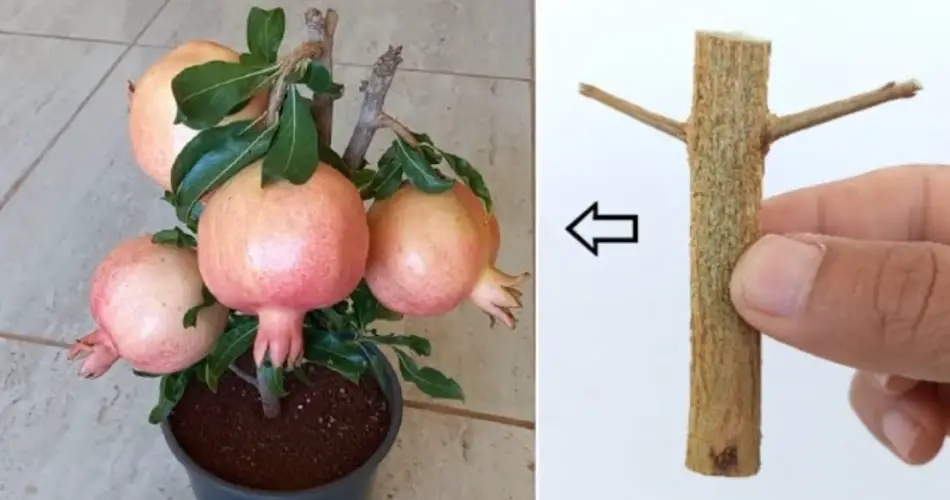
Growing pomegranate trees from cuttings, also known as pomegranate pens, is a straightforward and effective method to cultivate this delicious and ornamental fruit. Here’s the easiest way to grow pomegranate cuttings and ensure you get the best fruit tree.
1. Selecting the Right Cuttings
- Healthy Plant Source: Choose cuttings from a healthy, disease-free pomegranate tree that produces high-quality fruit.
- Cutting Specifications: Select hardwood cuttings that are about 8-12 inches long and about the thickness of a pencil. Ensure the cuttings have at least 4-5 nodes (buds).
2. Preparing the Cuttings
- Timing: The best time to take pomegranate cuttings is during the dormant season, usually late winter to early spring.
- Cutting Technique: Use a sharp, sterilized knife or pruners to make a clean cut. Cut just below a node (bud) at a slight angle to increase the surface area for rooting.
- Removing Leaves: Strip off any leaves from the lower half of the cutting. Leave a few leaves at the top if there are any, but dormant cuttings may not have leaves.
3. Rooting the Cuttings
Option 1: Rooting in Water
- Container: Place the cuttings in a container with a few inches of water.
- Location: Keep the container in a warm, bright location, but out of direct sunlight.
- Water Maintenance: Change the water every few days to prevent stagnation and bacterial growth.
- Root Development: Roots should start to develop within a few weeks. Wait until the roots are about 1-2 inches long before transplanting.
Option 2: Rooting in Soil
- Rooting Hormone (Optional): Dip the cut end of the cutting into rooting hormone to enhance root development.
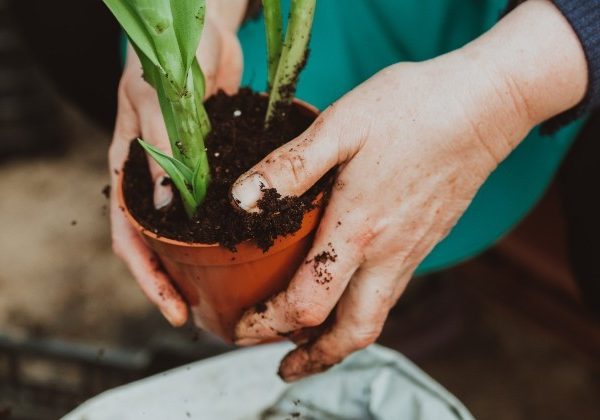
- Planting Medium: Use a well-draining potting mix or a mixture of sand and peat moss. Fill small pots or containers with the mix.
- Planting Depth: Insert the cuttings about 2-3 inches deep into the soil, ensuring at least two nodes are buried.
- Watering: Water the cuttings thoroughly after planting. Keep the soil consistently moist but not waterlogged.
- Covering: Create a mini greenhouse by covering the pot with a plastic bag or a clear plastic bottle with the bottom cut off. This helps maintain humidity.
- Location: Place the pots in a warm area with indirect light. Avoid direct sunlight until the cuttings are established.
4. Transplanting to the Garden
- Root Establishment: After several weeks, check if the cuttings have developed a strong root system. Gently tug on the cuttings; resistance indicates root growth.
- Hardening Off: Gradually acclimate the rooted cuttings to outdoor conditions by placing them outside for a few hours each day, increasing the time over a week.
- Planting Site: Choose a sunny location with well-draining soil. Pomegranates thrive in full sun and prefer loamy, slightly acidic to neutral soil.
- Planting: Dig a hole large enough to accommodate the root system. Plant the cutting at the same depth it was in the pot. Backfill the hole with soil and water thoroughly.
5. Caring for Your Pomegranate Tree
- Watering: Water the young tree regularly to establish a strong root system. Once established, pomegranates are drought-tolerant but benefit from regular watering during dry periods.
- Fertilizing: Feed the tree with a balanced fertilizer in early spring and mid-summer. Avoid over-fertilizing, as excessive nitrogen can reduce fruit production.
- Pruning: Prune the tree to remove any dead or diseased wood and to shape it as desired. Regular pruning encourages healthy growth and better fruit production.
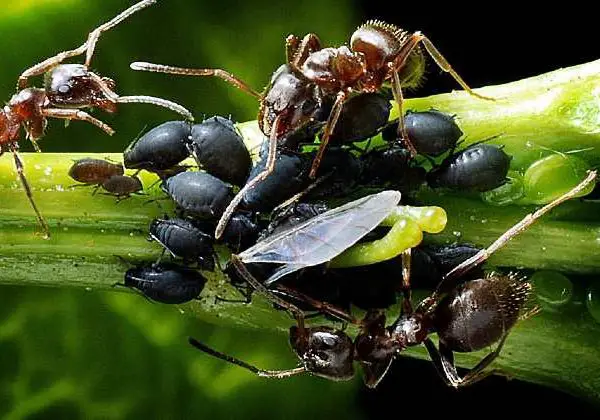
- Pest and Disease Control: Monitor for common pests like aphids and whiteflies. Use organic pest control methods if necessary.
Conclusion
Growing pomegranate trees from cuttings is an easy and rewarding method that ensures you get a high-quality fruit tree. By following these steps for selecting, preparing, and rooting cuttings, and providing proper care, you can enjoy a thriving pomegranate tree that produces delicious fruits year after year.
Show Comments