Are you looking for the best fertilizer for your vegetable garden or garden? This simple and natural solution is recommended by even experienced gardeners. Once you discover it, we’re sure you’ll make it your go-to choice for lush, healthy plants.
Why Nitrogen is Key for Plant Growth
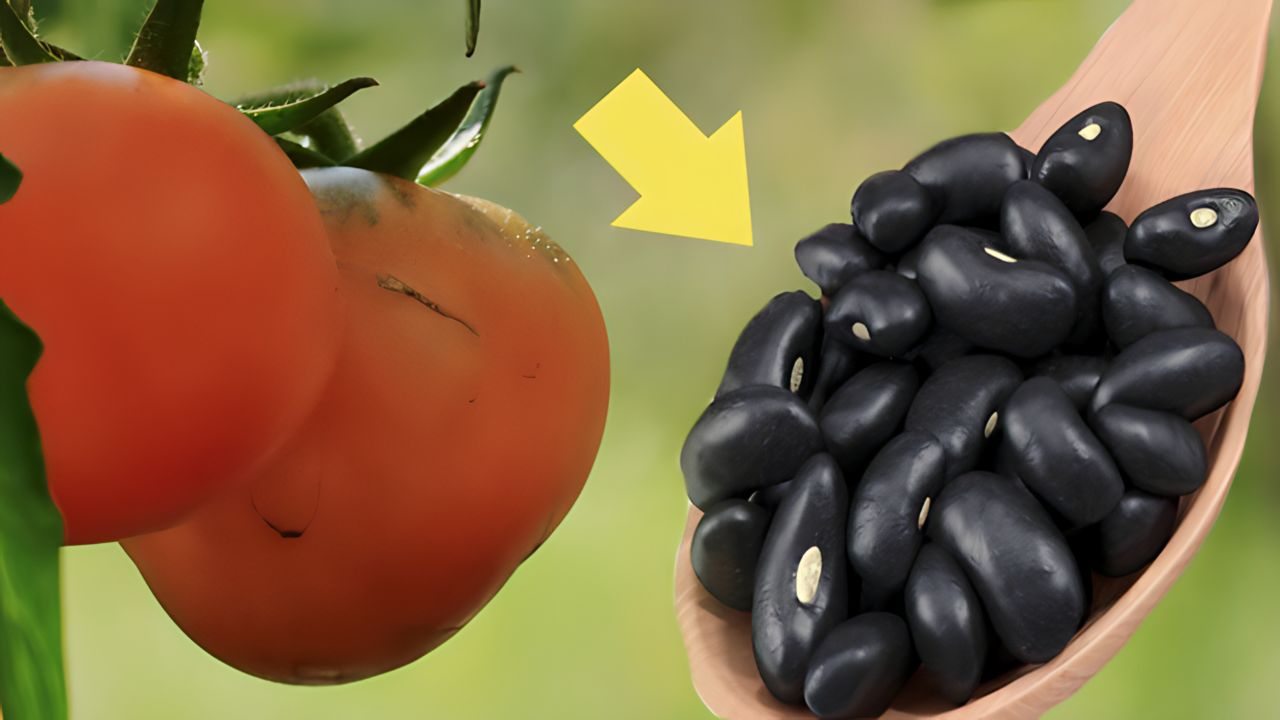
One of the most essential components for plant development is nitrogen. It’s not a surprise since nitrogen is the most abundant element in the atmosphere, making up more than 70% of the air. Naturally, it falls to the ground through rain, which is why plants tend to thrive when it rains. However, we’re not suggesting you rely on rainwater alone for watering your plants. Instead, we want to introduce you to an incredible nitrogen-rich solution that will elevate your garden.
The Root System and Nitrogen-Fixing Microorganisms
The quality of the root system plays a significant role in plant health. A robust root system ensures your plant is strong, and the best gardens are often those that have never been cultivated before. This is because nitrogen-fixing microorganisms, which thrive in uncultivated land, help convert nitrogen into a form plants can absorb.
But if you don’t have access to uncultivated land or rainwater, don’t worry! You can recreate the ideal environment for your plants by enriching the soil with nitrogen. Here’s how you can do it.
Creating the Best Fertilizer for Your Garden

One of the best ways to add nitrogen to your soil is through legumes. These plants form a symbiotic relationship with nitrogen-fixing bacteria known as rhizobia. This partnership helps convert atmospheric nitrogen into ammonia, which is then absorbed by the plant for growth.
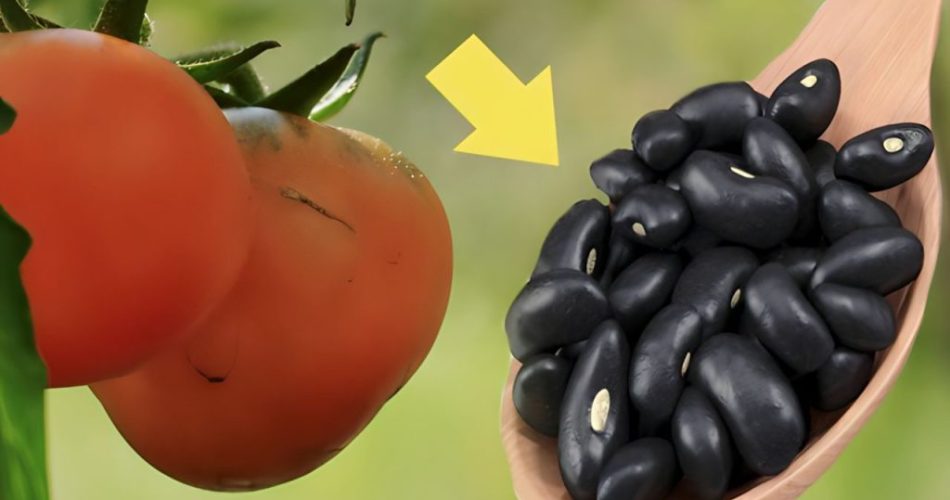
Some of the best legumes for this purpose include peanuts, black beans, and soybeans. These three are the most effective nitrogen fixers, and they’ll meet all your plants’ nitrogen needs. Peas and green beans are also good options, though the first three legumes are the best.
How to Use Legumes as Fertilizer
You can easily make your own natural fertilizer by using legumes. Try grinding peanuts, black beans, or soybeans in a blender, then scatter the remains around your garden soil. Alternatively, you can bury whole legumes in the soil. While the goal isn’t to grow them, this method will encourage the release of nitrogen into the soil. Some legume plants may sprout, but that’s okay—it’s all part of the process.
Why Legumes Make Great, Affordable Fertilizer
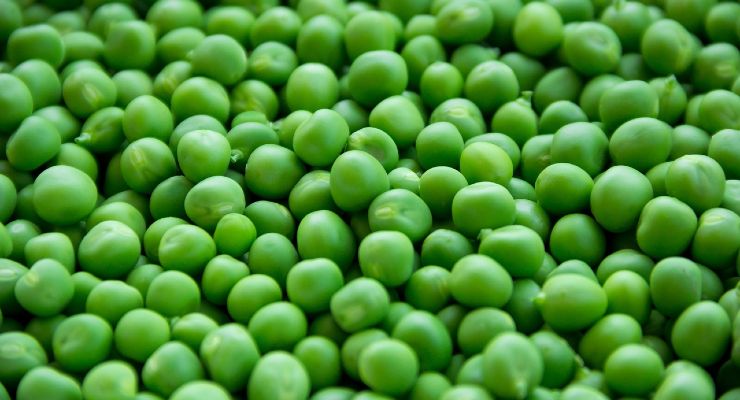
Legumes are an affordable, organic, and natural way to enhance your garden’s soil. Plus, they are easy to find, and you may already have them in your pantry. We recommend experimenting with two or three types of legumes to create your perfect fertilizer combination. Through trial and error, you’ll discover the best solution for your specific plants.
Conclusion
The best fertilizer for your vegetable garden and flowers might be simpler than you think. By incorporating legumes into your garden, you’ll provide essential nitrogen to your plants, helping them grow strong, healthy, and lush. Plus, it’s a cost-effective and sustainable solution that even seasoned gardeners swear by. Give it a try, and watch your garden thrive!