Looking for a natural and effective way to boost the health of your plants? The answer could be simpler than you think: ash! When applied correctly, ash can significantly improve the health and vitality of your plants. Learn why ash works wonders and how to use it as a natural fertilizer.
Why Ash Is Beneficial for Plants
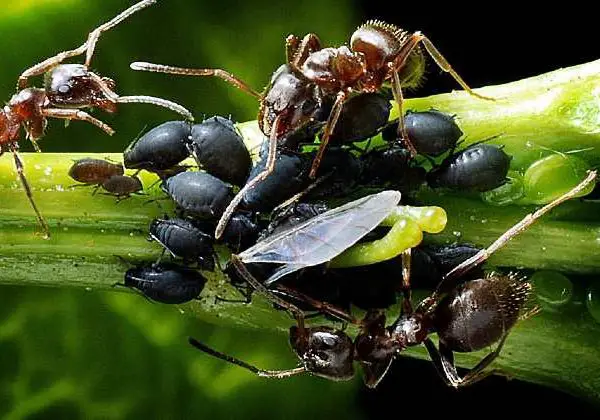
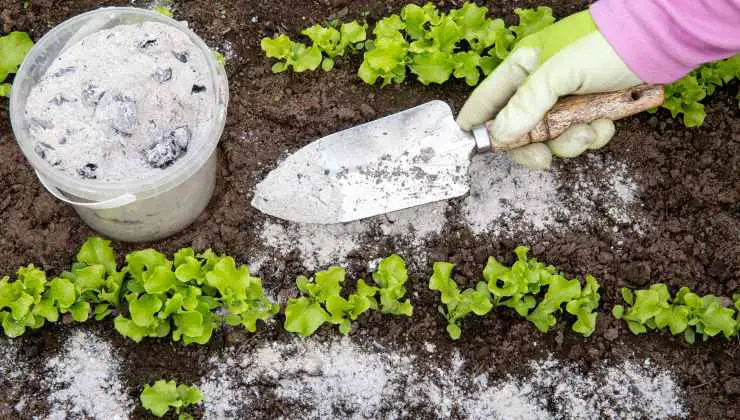
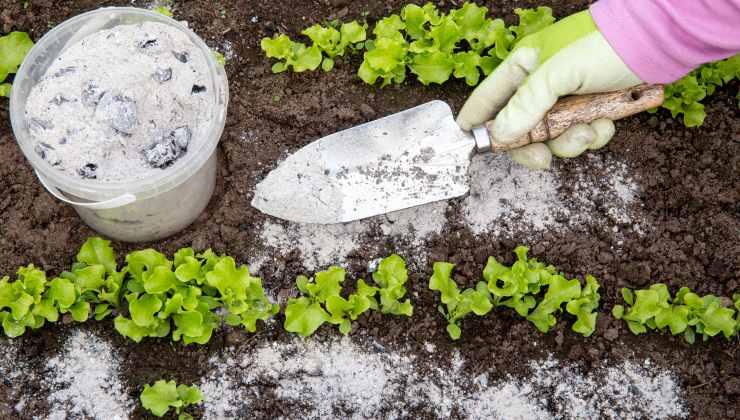
Ash is often overlooked in gardening, but it’s actually a nutrient-rich substance that offers a variety of benefits for plants. It contains important minerals like potassium, phosphorus, and calcium, which are essential for healthy plant growth. Not only does it enrich the soil, but ash can also improve plant resistance to diseases, enhance overall plant nutrition, and even act as an anti-parasitic by deterring pest infestations.
The best part? Ash is natural and easy to make, especially when compared to synthetic fertilizers that may contain unknown chemicals. Ash is a product of combustion and, when used properly, can provide your plants with the necessary nutrients they need for healthy growth.
How to Make and Use Ash Fertilizer

If you’re ready to harness the power of ash for your garden, here’s a simple DIY recipe for creating a natural liquid fertilizer:
Ingredients:
- 1 liter of water
- 2 drops of iodine
- A pinch of boric acid (about 1/4 teaspoon)
- 3 tablespoons of ash (preferably from untreated wood)
Steps to Prepare the Fertilizer:
- Add 800 ml of water into a jug.
- Stir in 2 drops of iodine and a pinch of boric acid.
- Mix thoroughly and then add the remaining 200 ml of hot water to dissolve everything completely.
- Add the 3 tablespoons of ash, and continue stirring until the mixture is well combined.
Once you’ve prepared the fertilizer, it’s ready to be applied to your plants.
How Often to Use the Fertilizer:
- Winter: Apply once a month.
- Summer: Apply about every 10 days to give your plants a regular nutrient boost.
What Makes Ash So Effective for Plants
The reason ash is so beneficial to plants lies in its mineral content. Ash is rich in essential nutrients, including:
- Potassium: Vital for plant growth, root development, and flowering.
- Phosphorus: Important for energy transfer and root health.
- Calcium: Helps in cell wall formation and promotes overall plant strength.
- Other minerals: Ash contains various trace elements that improve plant health and soil quality.
Ash also acts as a natural pesticide by deterring harmful pests and preventing the growth of fungi or mold on your plants. It helps to create a healthy, thriving environment for your plants to grow in.
Precautions to Take When Using Ash
While ash is great for plants, there are a few precautions to keep in mind:
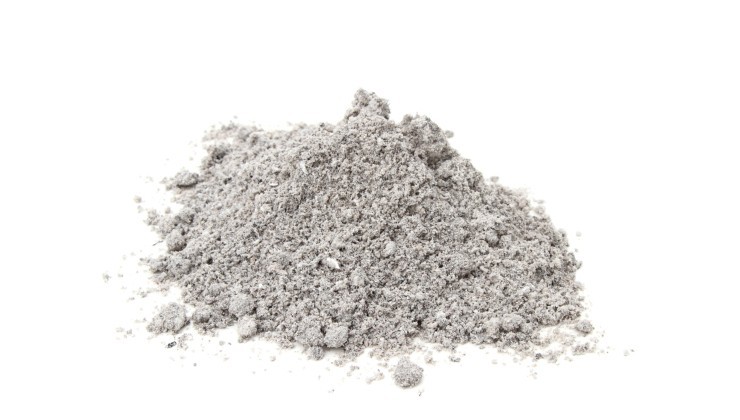
- Check the soil pH: Ash is alkaline in nature, so it’s important to test the pH of your soil before application. If the soil’s pH is already high, applying ash could make it too alkaline. In that case, consider adding acidic substances to balance the pH.
- Use clean ash: Only use ash from untreated wood, as ash from materials like painted or treated wood may contain harmful chemicals that could harm your plants.
- Moderation is key: While ash is beneficial, too much can harm the soil. Be sure to apply it sparingly and in moderation to avoid disrupting the natural balance.
Conclusion: A Simple, Effective Way to Nourish Your Plants
By using ash as a fertilizer, you can provide your plants with the nutrients they need to thrive, without resorting to chemicals. It’s an easy, natural solution that works wonders for plant health, improving nutrition, increasing disease resistance, and even acting as an anti-parasitic. Just remember to test the soil pH before applying and to use ash from untreated wood to ensure the best results. Give it a try, and watch your plants flourish like never before!