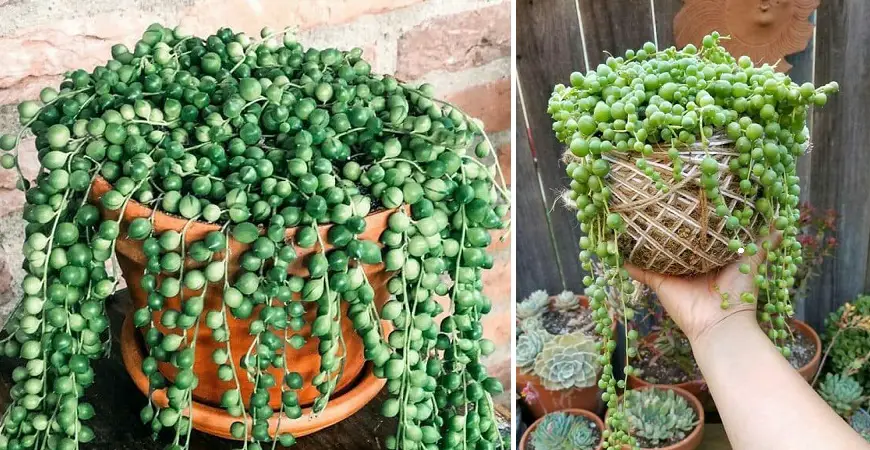
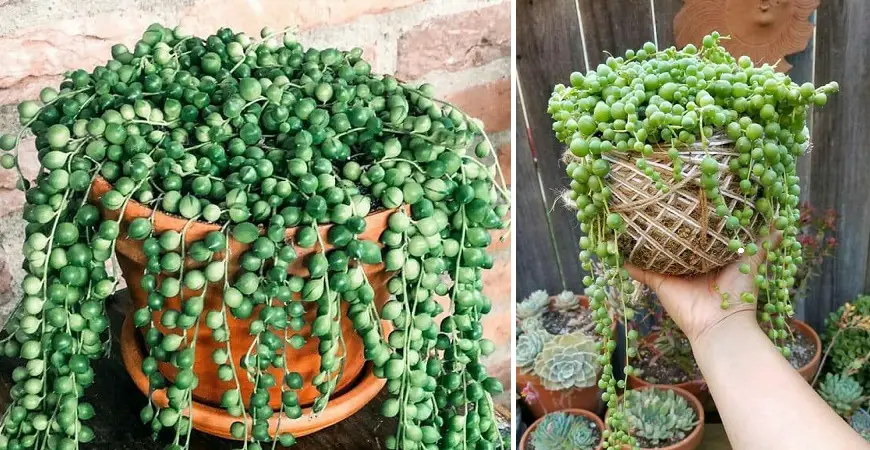
If you’re a fan of hanging plants, the rosary plant is a must-have for your collection. Its unique succulent leaves resemble rosary beads, making it a visually striking addition to any home. The rosary plant is also popular as a ground cover, but I personally love how it cascades from hanging pots, creating a stunning green waterfall effect.

In addition to its beauty, the rosary plant produces flowers with a sweet cinnamon scent that adds a delightful aroma to your space. To ensure your rosary plant thrives and flourishes, follow these care guidelines.
1. Substrate
The rosary plant thrives in sandy, well-drained soil. Select a pot with adequate drainage holes to prevent water from accumulating and potentially causing root rot. If your local soil is clayey, mix three parts of substrate with one part of sand to achieve the loose, sandy texture that this succulent prefers.
2. Light

Avoid placing the rosary plant in direct sunlight, as this can scorch its delicate green leaves. Instead, choose a bright, indirect light location. The ideal temperature range for healthy growth is between 13ºC and 26ºC (55ºF to 78ºF). If temperatures drop below 7ºC (45ºF), move the plant to the brightest spot in your home. Additionally, protect the plant from cold drafts, which can stress it.
3. Irrigation
Overwatering is a common issue with succulents, including the rosary plant. Since succulents store water in their leaves, they require minimal watering. During hot weather, water the plant once a week. In cooler months, reduce watering to once a month. Signs of dehydration include flattened leaves, indicating that the plant’s water reserves are low.
4. Fertilizer

Fertilize your rosary plant to promote healthy growth. Incorporate worm humus into the substrate twice a year for rich, supportive soil. Additionally, during the spring and summer, apply a liquid fertilizer that is high in phosphorus and potassium but low in nitrogen. This approach ensures that the plant gets the nutrients it needs without excess nitrogen, which can be harmful to succulents. Explore natural fertilizers and compost options using common household ingredients to keep your plant thriving.
5. Transplanting
The rosary plant prefers not to be confined in its pot. Transplanting every two to three years will give the plant ample space to grow. When repotting, consider placing gravel or pieces of broken tile at the bottom of the pot to improve drainage and prevent moisture buildup, which can lead to root rot.
6. Pruning
To maintain a lush and full appearance, prune your rosary plant annually. Remove any dry or dead stems to prevent the plant from expending energy on withered parts. Use disinfected scissors to ensure that you don’t spread any potential pests to other plants. Regular pruning helps shape the plant and keeps it healthy.
By following these care guidelines, you can enjoy a vibrant and captivating rosary plant that enhances your home with its unique charm and delightful fragrance.