Houseplants have a unique ability to breathe life and color into any space, be it your home or office. Among these, orchids stand out as some of the most elegant plants, gracing our living spaces with their graceful flowers. Yet, they can face vulnerabilities under specific conditions or pests. The distress of witnessing these beautiful plants lose their luster can be disheartening. Fortunately, with the right methods, you can provide the care needed to rejuvenate your orchids. If your orchids appear sad, faded, or have stopped blooming, let’s explore together how to restore their healthy glow, using a surprising ingredient from your kitchen: garlic powder.
Reviving Dull Orchids with Garlic Powder
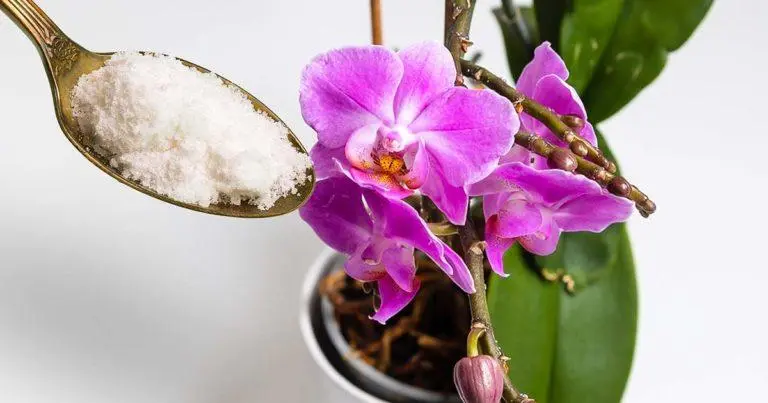
Are your orchids losing their vibrancy, and the thought of replacing them crosses your mind? Our advice: don’t give up on them too soon. Before considering replacements, invest time in giving them the care they deserve to thrive for an extended period. But how do you go about it, and with what ingredients? Here’s a unique recipe featuring garlic powder.
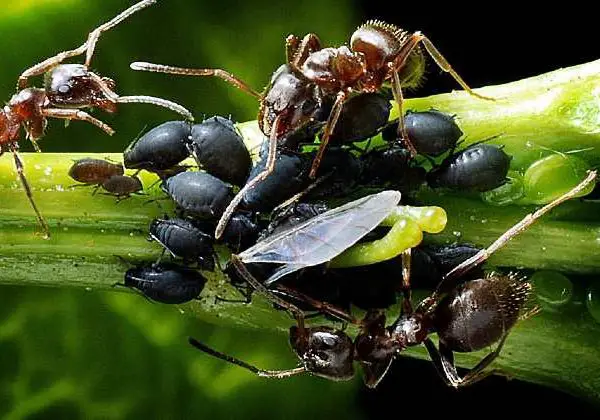
Several factors can contribute to the wilting of houseplants, with watering and pests among the most common culprits. If you’re seeking a natural and practical solution to make your wilting orchids bloom again, the answer may be right in your kitchen: garlic. This culinary staple contains an array of beneficial nutrients for your plants. Did you know that garlic is rich in essential vitamins and minerals such as vitamin C, vitamin B6, calcium, potassium, sodium, and magnesium? These nutrients are essential for stimulating plant flowering and enhancing overall growth. Furthermore, its oxidizing and antibacterial properties make garlic an excellent insect repellent and microorganism promoter.

Reviving Orchids with Garlic Powder: The Recipe
This non-chemical method provides your plants with the necessary nutrients, promoting robust growth even during adverse weather conditions. To prepare this natural fertilizer, follow these simple steps:
- Boil a cup of water.
- Let it cool, then add a teaspoon of garlic powder.
- After a few minutes, filter the mixture, then add about a liter of water.
- Water your orchid plant with this solution twice a week.
Additionally, you have two alternative methods: sprinkle a teaspoon of garlic powder directly on the potting soil surface every fortnight, or gently rub the leaves with a cotton swab soaked in garlic. Regardless of the method, a preventative approach to treatment is advisable to combat pests and foster the healthy growth of your orchids.

Tips for Orchid Maintenance
Despite their delicate appearance, indoor orchid care is straightforward if you follow these essential tips:
- The Right Mix: Use the proper growing mix, typically a combination of coarse perlite, fir bark, and sphagnum moss.
- Light: Ensure adequate, indirect light for orchids, avoiding direct sunlight that may cause leaf burn.
- Temperature: Keep orchids cooler by about 15 degrees (8°C) at night than during the day to encourage flowering.
- Watering: Water sparingly, allowing the plants to dry out between waterings. Check soil moisture by sticking your finger into the growing medium.
- Humidity: Increase humidity around orchids by placing a saucer filled with water or a tray of stones under the plants. Alternatively, use a humidifier for daily misting.
- Fertilizing: Fertilize orchids weekly or bi-weekly during active growth, reducing to monthly intervals once mature. Cease fertilizing during dormancy.
- Pest and Disease Management: Keep an eye out for mealybugs and aphids, and use the garlic-based solution mentioned earlier for effective treatment.
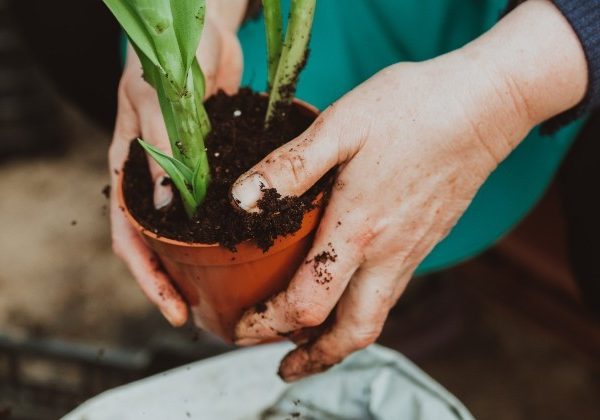
- Repotting: If orchids cease flowering despite proper care, consider repotting every two years to allow for better root development.

Pruning Orchids After Flowering: A Guide
For orchid enthusiasts, proper pruning after flowering is crucial for plant care. Orchid stems naturally tend to dry out post-flowering, requiring careful pruning to stimulate new growth and future blooming. Here are some key considerations:
- Healthy Orchid Stem: Identify healthy stems by their green and firm appearance. Use clean, disinfected pruning shears for a precise cut to prevent infections.
- Dead Stems: Wilted, yellow, or brown stems are unproductive and should be cut back to the base to encourage root production.

By following these tips and unique solutions, you can enjoy thriving orchids in your home for an extended period.