The delectable sweetness of strawberries makes them a favorite not only for humans but also for pests, with one of the most troublesome being the weevil. This beetle doesn’t just nibble on leaves but also attacks the roots, posing a serious threat to the plant’s survival. Here’s how you can safeguard your strawberries from these pests.
Understanding the Weevil Threat
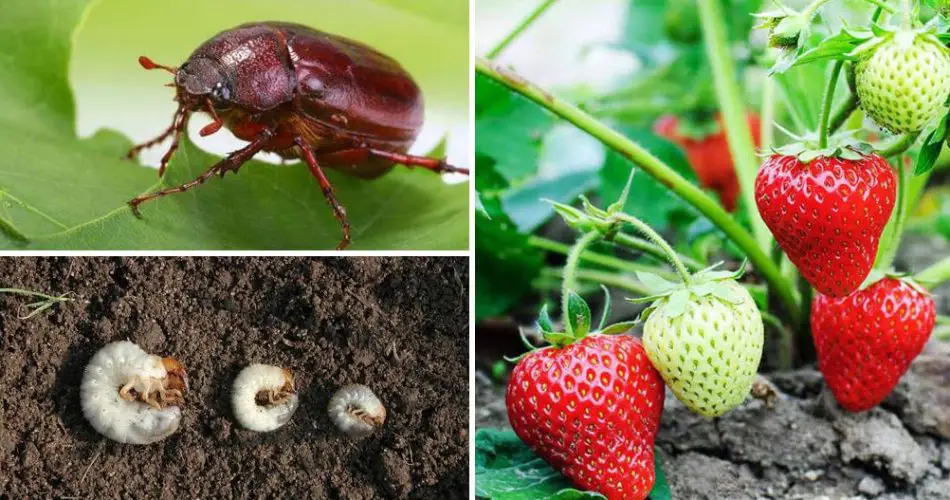
Adult weevils are brown-black with a distinctive “nosed” profile, causing damage by creating irregular notches along the leaf edges. Meanwhile, their larvae, which are white or pink with darker heads, reside in the soil and feed on roots, often leading to stunted growth or even plant death.
Combatting Weevils: Biological and Chemical Approaches
Biological Methods:
- Parasitic Nematodes: Species like Heterorhabditis spp. and Steinernema spp. are predatory nematodes that feed on weevil larvae. These can be purchased from garden centers and should be applied to the soil in spring when temperatures exceed 11°C and UV radiation isn’t intense (as UV harms nematodes). Ensure the soil is adequately moist before and after application.
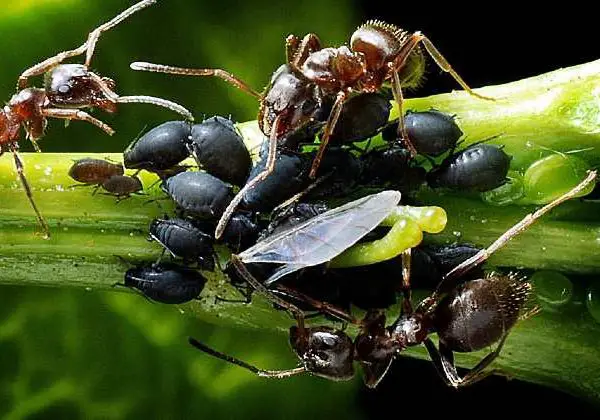
- Encourage Ants: Ants are natural predators of weevils. Encouraging ants in the strawberry bed can help keep weevil populations in check naturally.
Chemical Methods:
- Insecticides: In cases of severe infestation, insecticides containing permethrin, cyfluthrin, or azadirachtin can be effective. Apply these late in the evening when weevils are active and pollinating insects like bees are not flying. Always follow the instructions on the label for safe and effective use.
Additional Measures:
- Diatomaceous Earth: Sprinkling diatomaceous earth on the soil can help to harm weevil larvae.
- Companion Planting: Planting lettuce near strawberries can deter weevils, as they do not prefer lettuce as a host plant.
Preventive Measures:
- Regular Monitoring: Inspect strawberries in the evening with a flashlight to detect adult weevils.
- Early Intervention: Take prompt action at the first signs of a weevil infestation to prevent it from spreading.
By implementing these strategies, you can effectively protect your strawberries from weevils and ensure a bountiful harvest of delicious berries.
Remember:
- Prefer biological control methods whenever possible.
- Use chemical insecticides as a last resort and adhere strictly to safety guidelines.
- Handle chemical preparations with care to protect yourself and the environment.
By applying these methods, you can safeguard your strawberries from weevils and enjoy the fruits of your labor.