To ensure your tulips burst into vibrant blooms next spring, it’s essential to store their bulbs correctly after digging them up. While the actual digging process is straightforward, creating the right storage conditions requires a bit more attention.
How to Store Tulip Bulbs Properly
- Drying the Bulbs
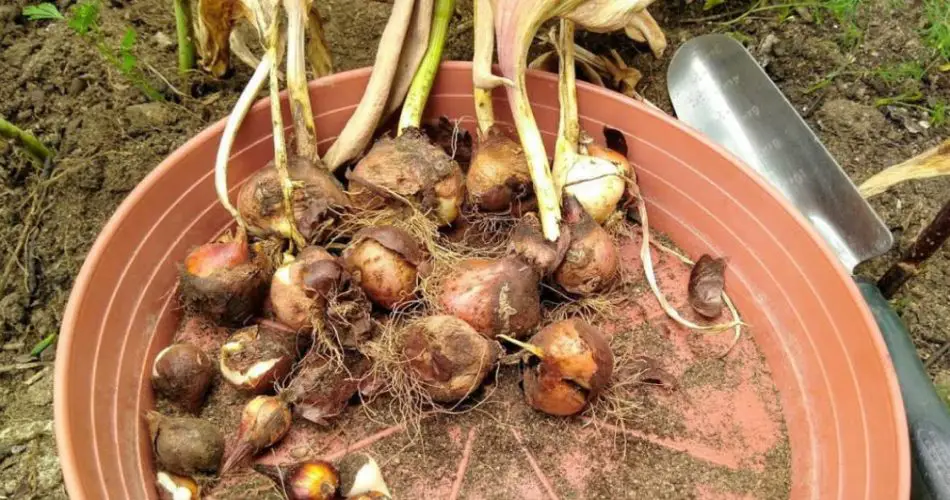
After harvesting, start by drying the bulbs. Place them in boxes with mesh bottoms to facilitate air circulation. Arrange the bulbs in several layers and cover them for three days to allow initial drying. - Cleaning and Treating
Once dried, remove old roots, cut off the stems, and peel away any remaining scales. Soak the cleaned bulbs in a 0.5% manganese solution for 30 minutes to disinfect them and prevent fungal issues. - Extended Drying
Dry the bulbs again for 21 days at a temperature of 23-25°C (73-77°F) with 70-80% humidity. This helps in ensuring the bulbs are completely dried out before long-term storage. - Storing the Bulbs
After the drying period, arrange the bulbs in a single layer in wicker baskets or wooden boxes. Cover the bulbs with sand or wrap them in newspaper to protect them during storage. - Storage Conditions
Place the containers in a basement or on a closed balcony. Ensure the storage area is dark and free from drafts, maintaining a humidity level of 70% and allowing for good air circulation. - Temperature Management
Initially, keep the bulbs at a temperature of 24°C (75°F). Starting in September, adjust the temperature to 15°C (59°F). Regularly check the bulbs every 14 days to monitor their condition. - Inspection and Maintenance
Inspect the bulbs for any signs of mold or rot. Discard any affected bulbs and treat any remaining ones with a manganese infusion if necessary. If you notice bulbs are becoming shriveled, gently water them with warm water.
By following these guidelines, you’ll ensure your tulip bulbs remain in excellent condition and are ready to provide a stunning display of flowers when spring arrives.
Show Comments