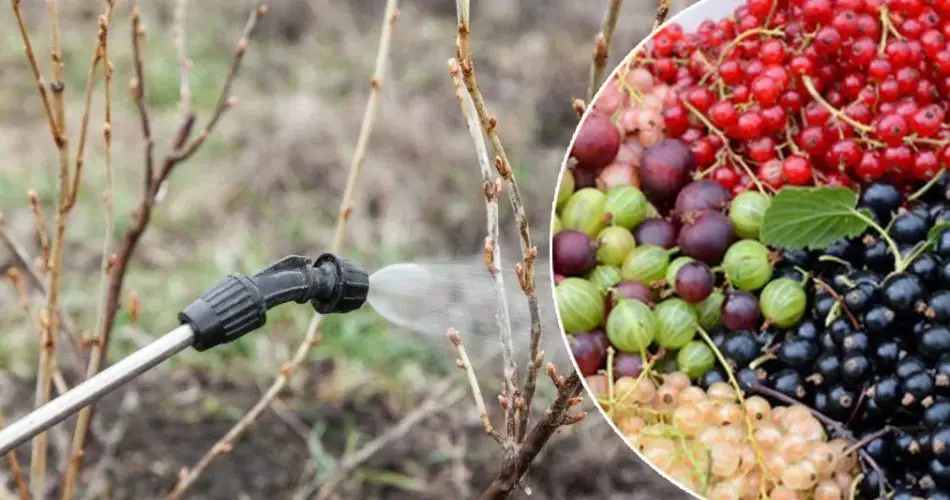
Preparing garden bushes such as currants and gooseberries in February is essential for a healthy and bountiful harvest. Proper preparation helps protect these plants from pests and diseases before they start their growth cycle. Here’s how to prepare your bushes effectively:
1. Boiling Water Treatment
Purpose:
- Fight Fungal Diseases: Boiling water can effectively combat fungal infections that commonly affect currants and gooseberries.
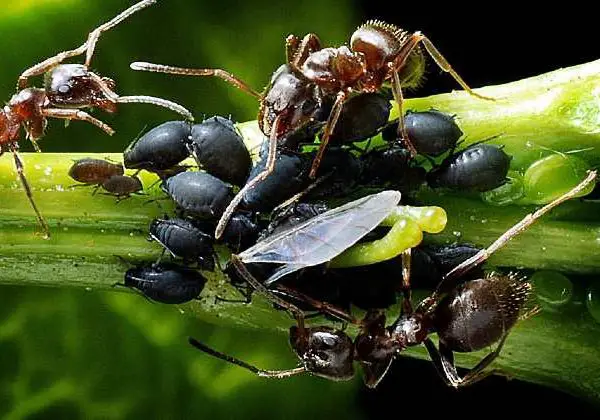
- Control Pests: It helps eliminate pests like aphids, mites, and leafhoppers, along with their larvae.
Optimal Timing:
- February: This is ideal as it’s before active growth begins but when the weather is mild enough to handle boiling water without immediate freezing.
- Early Spring: The treatment can also be performed at the start of the season, provided the bushes haven’t begun vigorous growth.
Procedure:
- Boil Water: Heat water until it reaches boiling point.
- Apply: Carefully pour the boiling water over the bushes, ensuring all shoots are covered. The water should be hot enough to kill pests but cools quickly once applied, minimizing damage to the plants.
- Cover Thoroughly: Ensure you cover the entire bush for effective treatment.
- Additives: Enhance the solution with traditional pest control agents for increased efficacy.
- Potassium Permanganate: 1 g per 10 liters of water.
- Copper Sulfate: 3 g per 10 liters of water.
- Salt: 10 g per 20 liters of water.
Notes:
- Weather Considerations: Perform the treatment on a day when temperatures are above freezing to prevent the water from re-freezing.
- Safety Precautions: Handle boiling water with care to avoid burns. Use protective gear if necessary.
2. Additional Preparations
Pruning:
- Timing: Prune bushes in late winter or early spring before buds swell.
- Purpose: Removing dead, damaged, or diseased branches improves air circulation and reduces disease risk.
- Technique: Use sharp, clean secateurs. Make clean cuts to avoid injuring the plant.
Soil Preparation:
- Mulching: Apply mulch around the base of the bushes to retain moisture and suppress weeds.
- Soil Enrichment: Use compost or well-rotted manure to enrich the soil, promoting healthy growth.
Pest and Disease Monitoring:
- Inspection: Regularly check bushes for signs of pests or disease.
- Preventative Measures: Apply suitable fungicides or insecticides if necessary, following label instructions.
3. Practical Tips
- Weather Considerations: Choose a day with temperatures above freezing to avoid immediate re-freezing of the water.
- Safety Precautions: Handle boiling water with care. Wear protective gloves and clothing as needed.
- Post-Treatment Care: Ensure bushes are well-watered but not waterlogged, and avoid fertilizing immediately after the treatment.
By following these steps, you’ll help your currants and gooseberries thrive, setting the stage for a successful growing season and a plentiful harvest. Early spring care is crucial for ensuring robust plant health and productivity throughout the year.
Show Comments