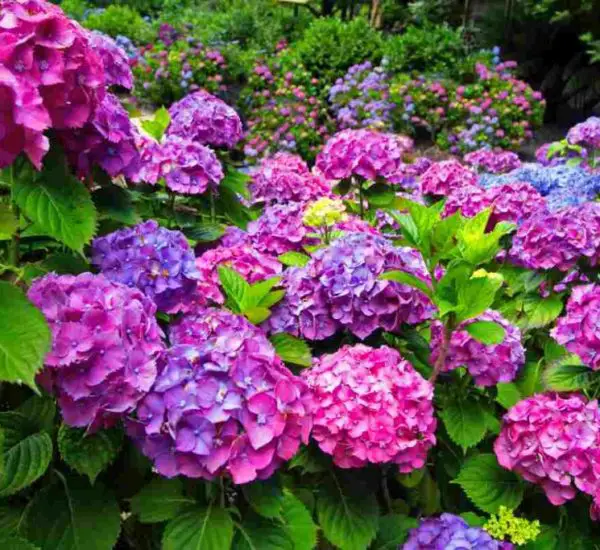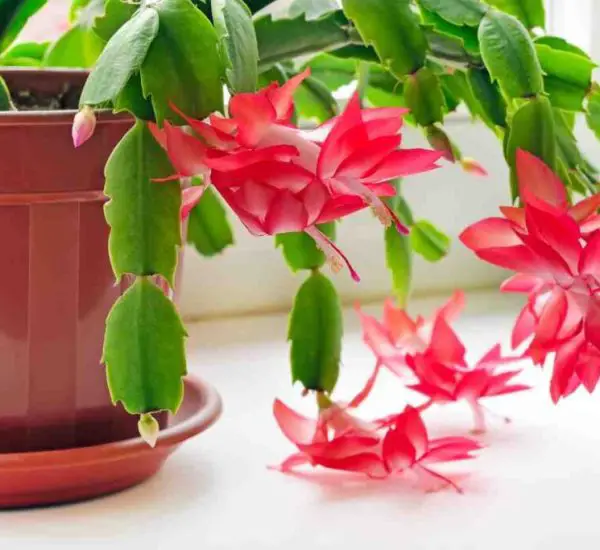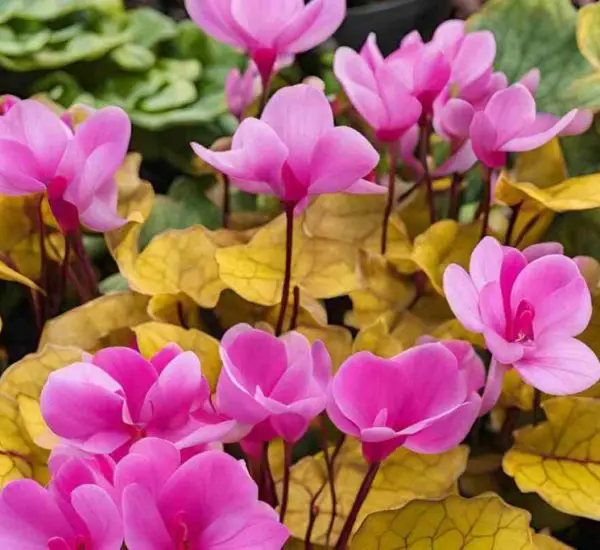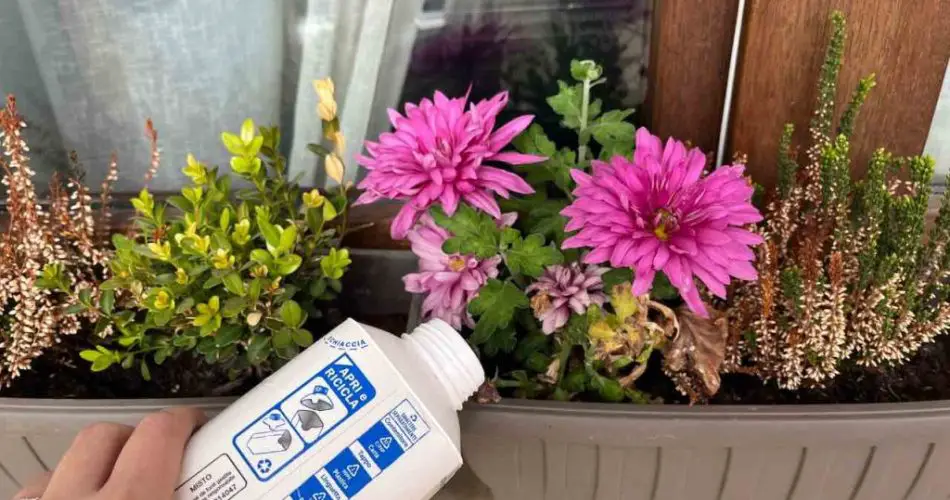
Have you ever wondered what happens when you pour milk on your houseplants or garden plants? The results may surprise you. In just five minutes, you’ll see a transformation! Let’s explore why this simple household item is considered a natural remedy for plants.
Milk in Plants: A Natural Marvel
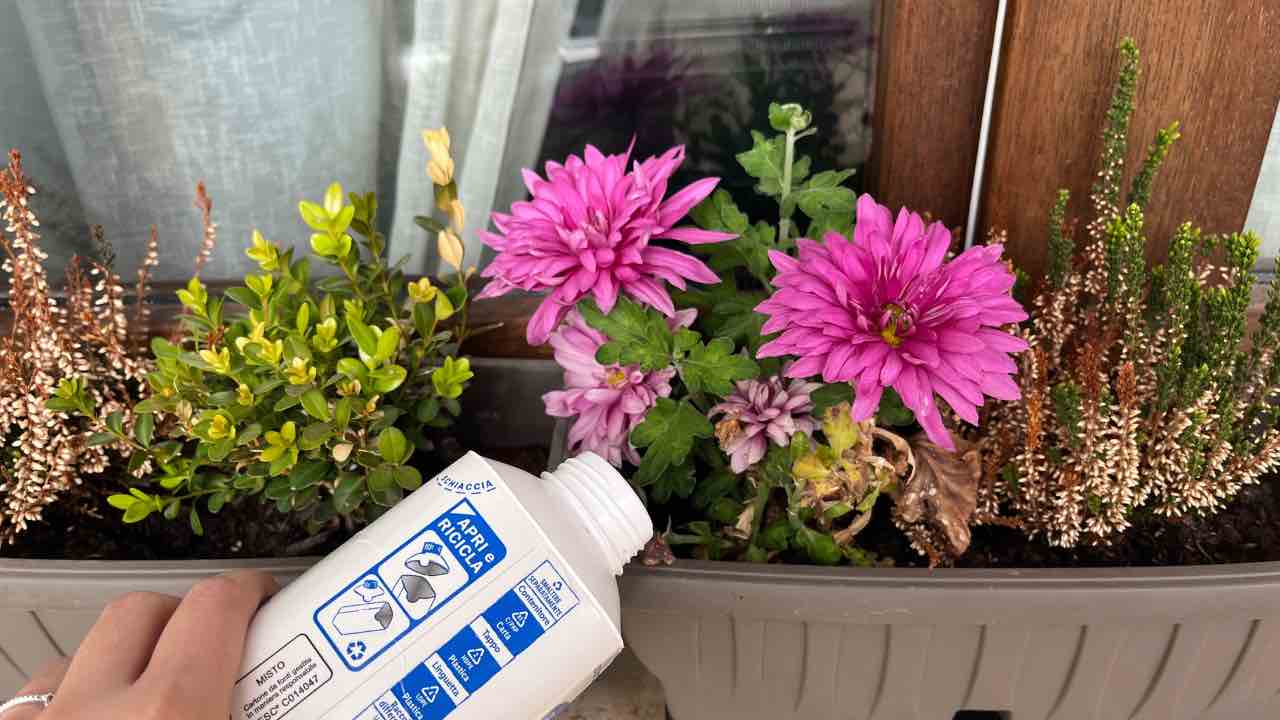
Using milk in plants is an age-old practice, especially among seasoned gardeners. It’s an excellent alternative to chemical treatments, offering a more eco-friendly option to nurture your plants. By using milk, you can nourish your plants while keeping nature safe from industrial chemicals.
Milk has been valued for its multiple benefits in plant care for centuries. Among its many uses, milk acts as a natural disinfectant, especially for combating diseases in plants. Gardeners often use it to disinfect pruning tools and the cutting area when they notice any diseased branches.
What Happens When You Pour Milk Into Plants?
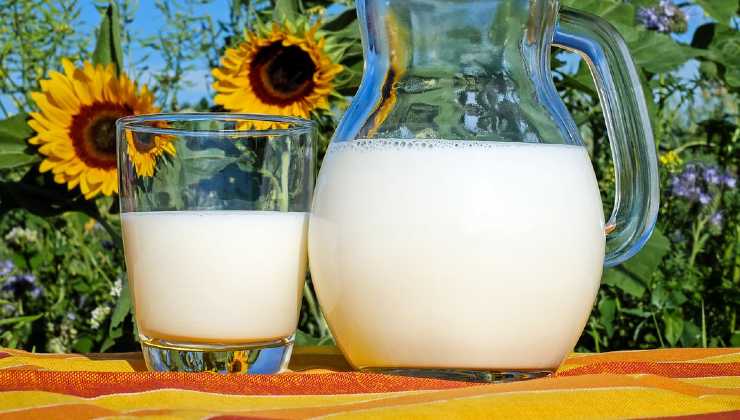
If you pour milk directly into the soil, what can you expect? After just five minutes, your plant will be noticeably healthier and nourished. This simple treatment provides an inexhaustible source of calcium and essential vitamins, which help plants grow stronger and bloom.
To make the most of it, simply dilute milk with water in equal parts, and water your plants as usual. You can also use the milk solution in a spray bottle to apply directly to the leaves for an extra boost.
Milk: A Natural Fungicide and Insecticide
Beyond being a powerful nutrient, milk can also serve as a fungicide. It can be used without the need for preservatives and, when diluted with water, creates a powerful natural solution to fight fungi and pests.
For garden plants, milk can help prevent root rot and protect your fruits from the harmful effects of calcium deficiency, which often causes crops to rot before harvest.
How Milk Works as a Natural Insecticide

Did you know that milk is also an effective natural insecticide? It works wonders against soft-bodied insects like thrips, mites, and aphids. These insects can’t digest the sugars in milk because they lack a pancreas. Simply use the milk-water solution on your plants to keep these pests at bay, without harmful chemicals.
Conclusion
Milk is truly a magical and versatile solution for your plants. It’s a natural disinfectant, fungicide, and insect repellent, all while providing essential nutrients like calcium and vitamins. Whether used for watering or as a spray, this common kitchen ingredient can work wonders on your garden, vegetable garden, or balcony plants. Try it out and watch your plants thrive!