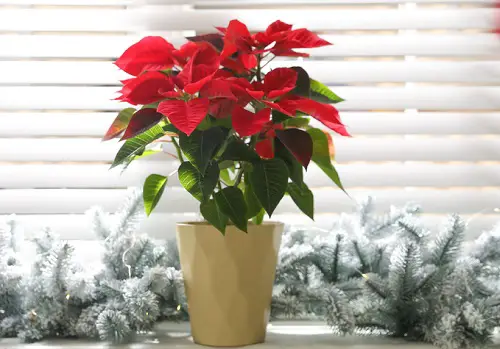
December heralds the arrival of the festive season, marked by the appearance of a quintessential holiday plant in nurseries—the poinsettia flower, also known as the Federal star. Its vibrant red hues evoke feelings of celebration, family gatherings, and the joyous spirit of the holidays.
Originating from Mexico, this iconic plant was introduced to the United States by Ambassador Poinsett, a botanist enamored by its beauty. Despite its association with the holidays, the poinsettia is a versatile plant that can thrive all year round with proper care and attention.
Substrate:
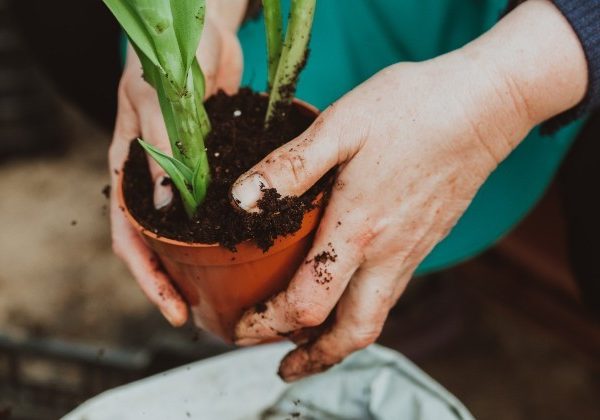
To ensure healthy root growth, use a lightweight substrate composed of pine bark, peat, and sand. When transplanting to the garden, prepare a suitable substrate by digging a 30 cm hole, filling it with substrate, and planting the poinsettia.
Temperature:
Poinsettias thrive in temperatures between 15º to 20º Celsius. Transplant during early summer to avoid exposing the plant to cold temperatures, which can cause leaf loss or death. Provide medium to high indirect light, with morning sunlight preferred over afternoon shade.
Irrigation:
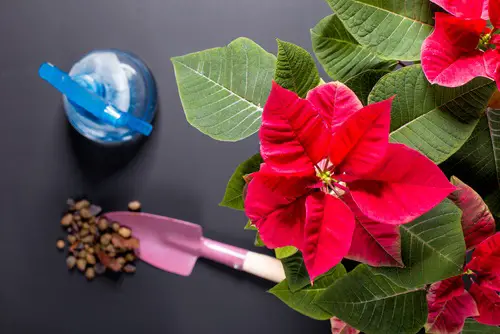
Avoid overwatering, as poinsettias are susceptible to root diseases. Water twice a week during summer, allowing the soil to dry completely between waterings. Monitor for yellowing leaves, a sign of excessive watering.
Multiplication:
Propagate poinsettias through stem cuttings in autumn. Cut an 8 cm stem, soak it in warm water to prevent latex loss, and apply rooting hormone before planting in a pot with light substrate. Maintain humidity to encourage root growth.
Pests:
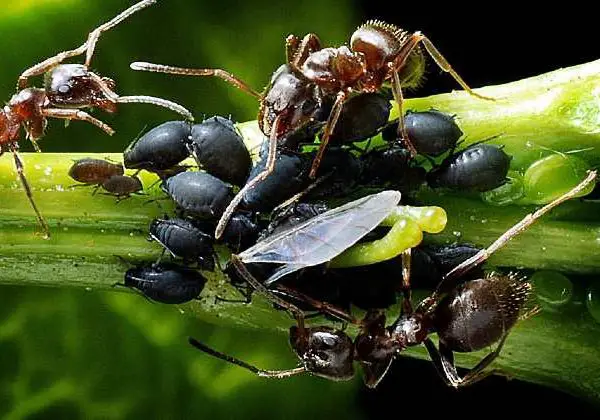
Common pests include mealybugs, aphids, and whiteflies. Use preventive measures such as biopreparations in spring to deter pest infestations. Yellow sticky traps for whiteflies and natural predators like ladybugs can help control aphids. Apply a horsetail decoction to prevent fungal growth in humid conditions.
Curiosities:

Known as “cuetlaxóchitl” by the Aztecs, poinsettias held cultural significance as offerings to Tonantzin, the earth goddess. They were also used for pigment extraction and dyeing textiles in ancient Mexico.