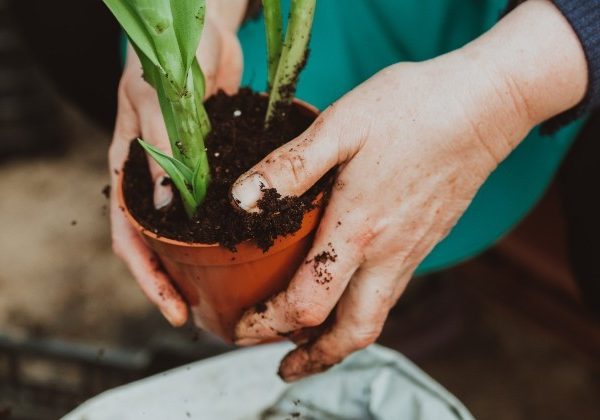
Orchids are stunning plants, celebrated for their vibrant hues and unique shapes, but they can be quite demanding. If you notice your orchid showing signs of distress, like wrinkled leaves or distressed roots, don’t panic! Here’s how to care for them effectively.
Symptoms of a Sick Orchid
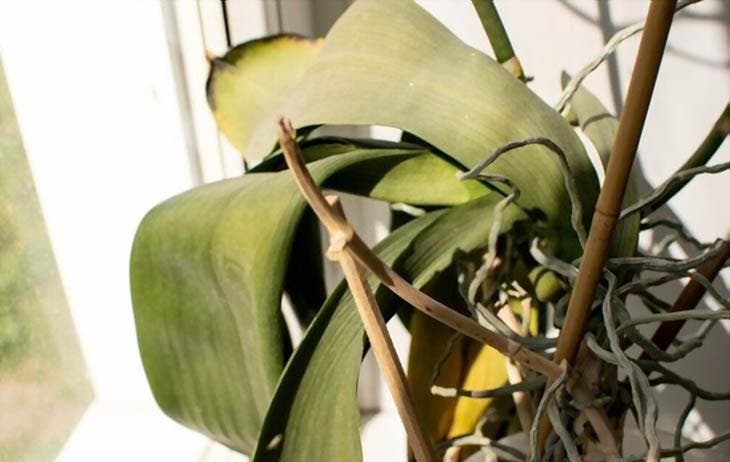
Your orchids can be susceptible to fungus, pests, and diseases. Watch for these key indicators:
- Yellow or Brown Leaves: If leaves are changing color or falling off, your orchid may be struggling with disease or insufficient care, such as a lack of water or light.
- Withered Flowers: Wilted or unhealthy flowers signal a nutrient deficiency or disease, necessitating immediate attention.
- Rotten Roots: If the roots appear to be decomposing, it could indicate a serious illness or inadequate drainage.
- Poor Growth Activity: Slow growth or lack of flowering may reflect underlying issues with care or disease.
How to Save an Orchid with Rotten Roots
Environmental factors like low temperatures can harm your orchids, leading to issues like root rot. Simply increasing watering may worsen the problem. Instead, consider using baking soda to help restore your plant’s health.
Steps to Use Baking Soda:
- Remove Damaged Parts: Gently cut away any dead roots and wrinkled leaves to promote recovery.
- Prepare a Solution: Dissolve one teaspoon of baking soda in one liter of water.
- Spray and Water: Spray the solution on the healthy leaves and use it to water the roots, avoiding application on any blooms.
Warning: Do not apply this mixture when the plant is in bloom, as it may hinder growth.
Should You Cut the Roots of an Orchid?
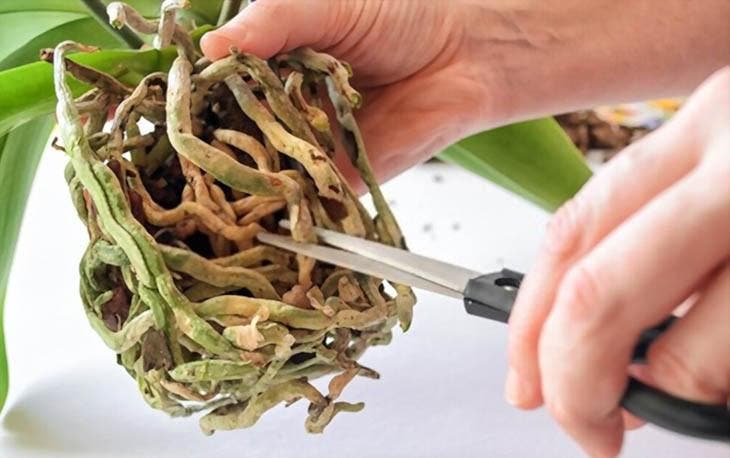
If your orchid has lost its flowers, continue to care for it by watering and fertilizing regularly. After flowering, you can prune the stem to encourage growth and prevent damage. Use sharp scissors to cut below the root.
With the right care and attention, your orchids can thrive for years!