Orchids, especially Phalaenopsis, are one of the most loved houseplants because of their elegant flowers and exotic beauty. However, they need special care—starting with the right pot! Choosing the wrong pot can lead to root rot and even kill your orchid.
Let’s go over the best and worst pots for orchids so you can keep yours thriving! 🌿✨

🚫 Worst Pots for Orchids (Avoid These!)
1️⃣ Terracotta Pots – These retain too much moisture, leading to root rot. They also block light from reaching the roots.
2️⃣ Dark Plastic Pots – Prevent roots from getting any sunlight, which orchids naturally need for photosynthesis.
3️⃣ Pots Without Drainage Holes – Orchids hate sitting in water! Without proper drainage, the roots suffocate and rot.
4️⃣ Small, Overcrowded Pots – A tight, compact pot prevents roots from breathing, leading to stress and poor growth.
✅ Best Pots for Orchids
✔ Transparent Plastic Pots – These allow light to reach the roots, helping with photosynthesis and monitoring root health.
✔ Pots with Drainage Holes – Ensure excess water drains properly, preventing overwatering and rot.
✔ Aerated Pots (Mesh or Slotted Pots) – Allow maximum airflow, keeping roots dry and healthy.
🌿 Tip: If you want a decorative pot, use a transparent plastic pot inside a ceramic or decorative outer pot, making sure it can be removed for watering.
💦 How to Water Your Orchid Correctly
🌞 Water in the morning – This helps the roots absorb moisture before nightfall.
🛁 Use the “soak method” – Place the pot in a container of water for 5–10 minutes, allowing the orchid to absorb the needed moisture.
🚰 Drain well – Never leave standing water in the bottom of the pot!
🌞 Where to Place Your Orchid for Best Growth
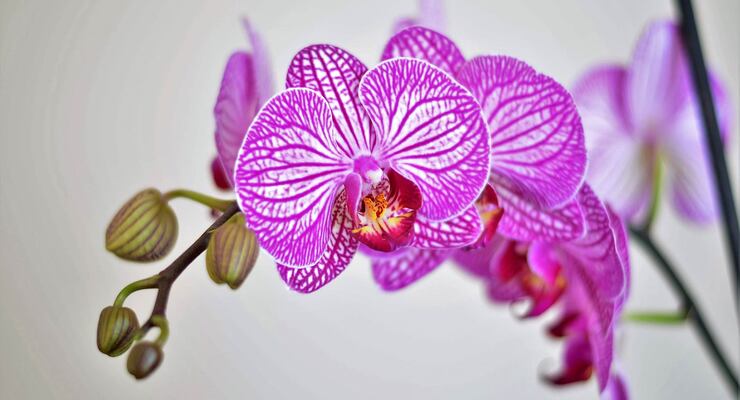
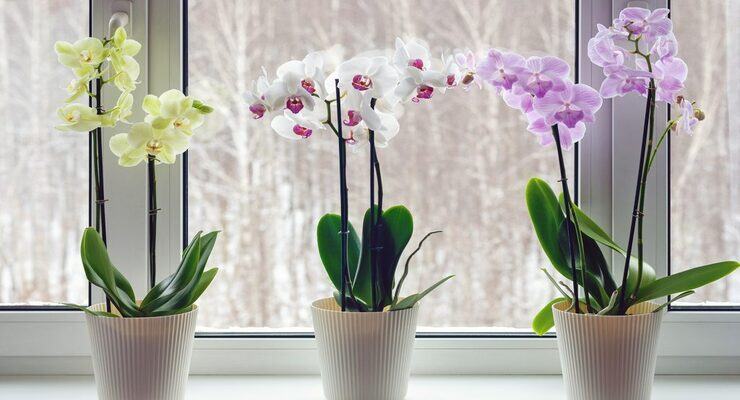
✔ Indirect sunlight – Place your orchid near a window facing north or south.
✔ Ideal temperature: 16–24°C (60–75°F) – Keep away from cold drafts or hot radiators.
✔ Monitor the leaves:
- Yellow leaves? → Too much direct sun ☀️
- Dark green leaves? → Not enough light 🌑
🌿 Extra Orchid Care Tips
✅ Use orchid-specific potting mix – Regular soil retains too much moisture and suffocates roots. Use bark, sphagnum moss, or a special orchid mix.
✅ Fertilize from March to October – Feed your orchid twice a month to keep it blooming.
✅ Encourage reblooming – Cut the flower spike above the second node to trigger new blooms.
✅ Don’t disturb aerial roots – If roots grow outside the pot, it’s a sign your orchid is healthy! 🌱
🌸 Keep Your Orchid Thriving!
By choosing the right pot, watering correctly, and providing proper light, your orchid will stay healthy, vibrant, and rebloom beautifully. 🌿💖
Do you need any more orchid care tips? Let me know! 😊✨