If your orchid leaves have turned yellow and appear dead, don’t panic. This foolproof method can bring your orchid back to life!
Why Are Your Orchid Leaves Turning Yellow?
Orchids, like any plant, can be vulnerable to fungal infections, which often cause yellowing leaves and eventual leaf loss. While it may seem like the plant is beyond saving, that’s not necessarily the case. The good news is that you can treat the infection with a simple ingredient you likely already have in your kitchen.
The Power of Cinnamon for Orchids
One of the most common infections affecting orchids is caused by fungi. As the infection progresses, you’ll notice the leaves start to turn yellow and dry out. However, don’t throw the plant away just yet! The secret to curing the infection is cinnamon powder.
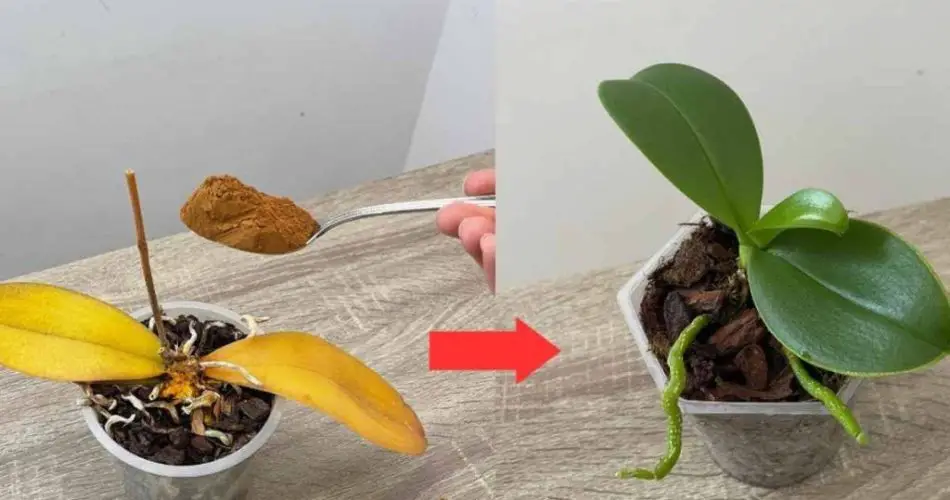
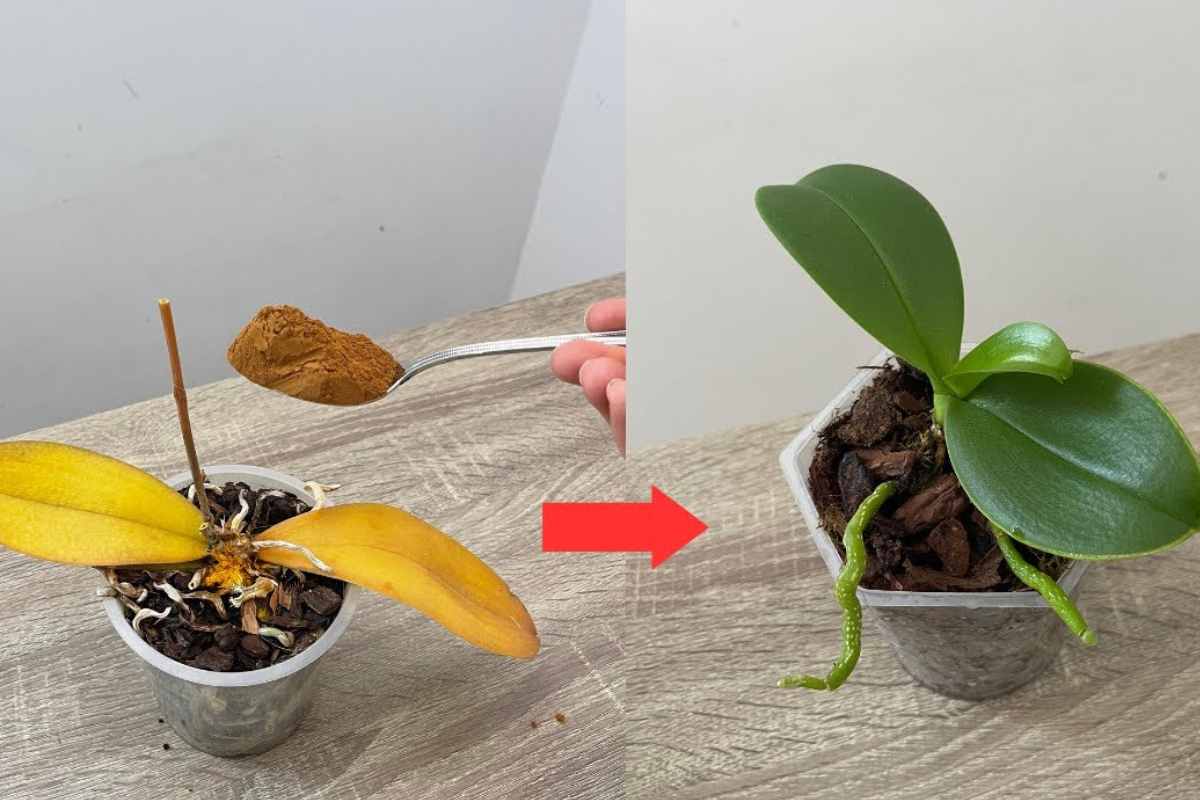
Cinnamon has antibacterial and disinfectant properties, making it an effective solution for fighting fungal infections. To begin, sprinkle a generous spoonful of cinnamon powder directly on the central area of your orchid. While you may see some additional leaves fall off, this treatment will help eradicate the fungus and give your orchid the chance to revive.
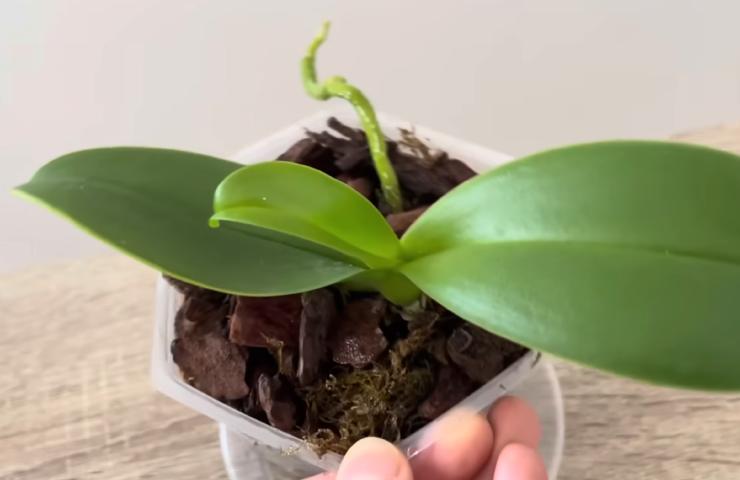
Steps to Save Your Orchid
- Sprinkle Cinnamon: Apply the cinnamon powder to the central area of the plant to fight off the fungal infection.
- Wait for the Process: It’s normal to see a few more leaves fall, but this is a part of the healing process.
- Check the Roots: Once all the leaves have fallen, remove the orchid from its pot and rinse the roots under running water. If the roots are green, your orchid is still alive and ready for a new start.
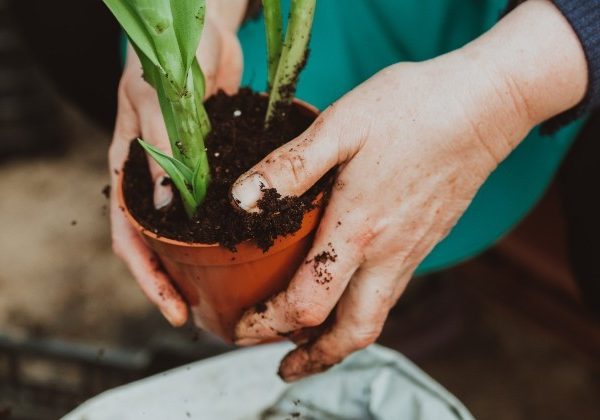
- Repot the Orchid: After confirming that the roots are healthy, repot your orchid with fresh moss and bark. You can also create a mixture of water and cinnamon powder to give it an invigorating bath.
- Provide Proper Light: For the best chances of rebirth, place your orchid in a bright location with adequate light.
Why Do Fungal Infections Happen?
Fungal infections in orchids are usually caused by excessive moisture and poor aeration in the root zone. Orchids, being epiphytic plants, naturally grow on trees and rely on air circulation around their roots. When orchids are planted in pots with poor drainage or overcrowded with soil, stagnant water can foster fungal growth.
Prevent Future Fungal Infections
To prevent future infections, make sure the root zone is properly aerated and not overly saturated. Using well-draining materials like bark and moss can help keep your orchid’s roots healthy and free from fungal threats.
With a little patience and the power of cinnamon, your orchid can make a full recovery and bloom once again!