There’s nothing like a garden hedge to demarcate your land and protect yourself from your neighbors. Whether it is a flowering hedge or green plants, this plant arrangement brings a wonderful colorful space to your garden. For a flowering hedge, lavenders are the ideal choice. They are easy to grow and fill your entire garden with their fragrant flowers.
Here are seven conditions for properly planting and maintaining a lavender hedge in your garden.
What are the 7 conditions for obtaining a beautiful lavender hedge in your garden?
To have a pretty garden border, lavender is the fragrant plant to choose. Here’s how to maintain it.
1. Lavender, an ideal plant to make a pretty flowering hedge
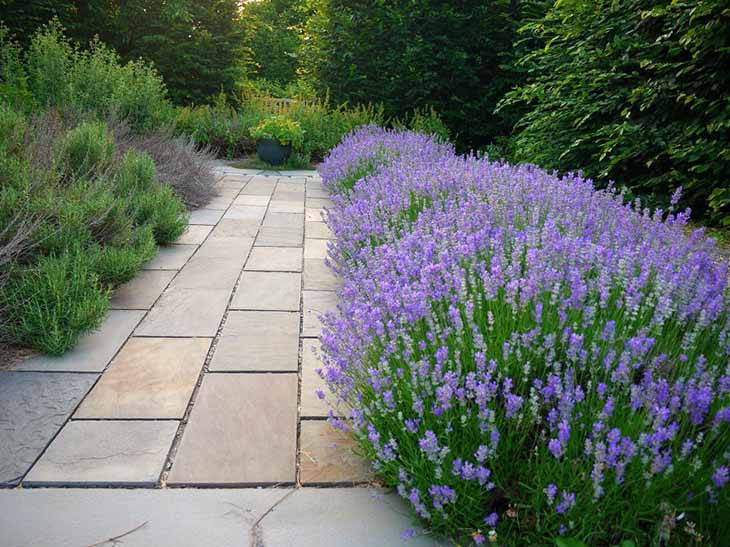
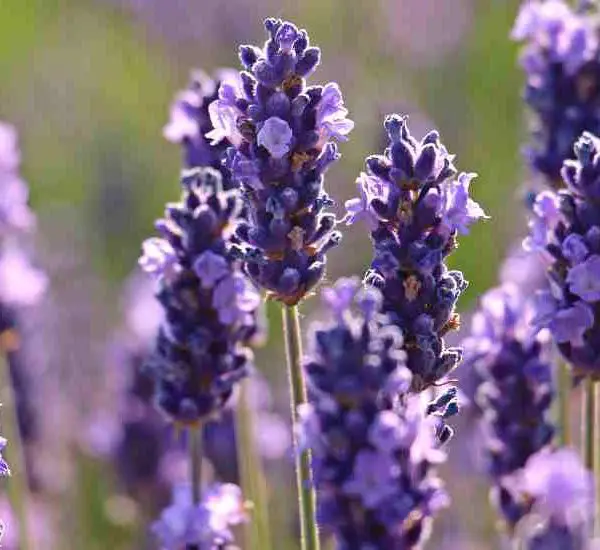
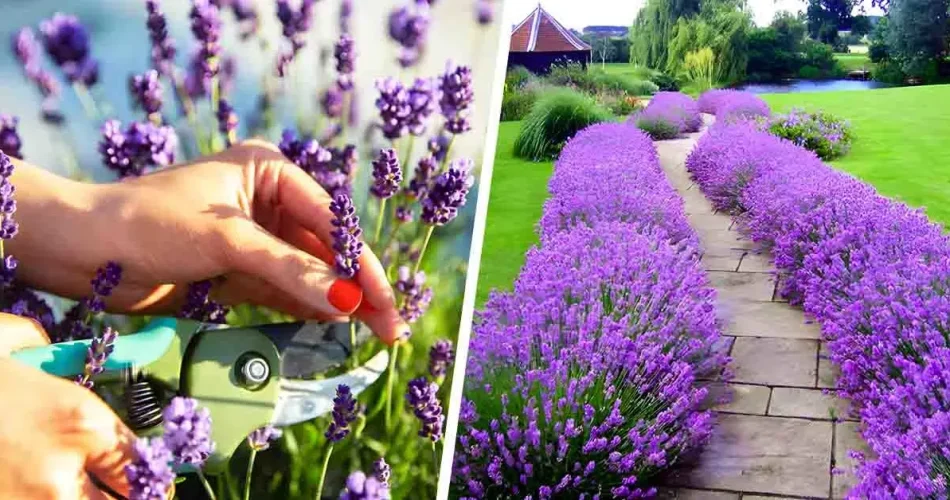
Lavender is a hardy plant that does not require much maintenance. These small shrubs are famous for their purple flowers as well as their scent reminiscent of summer. Depending on its species, lavender flowers in different colors from white to pink to blue or purple. A lavender hedge allows you to demarcate a path with beautiful flowery and fragrant borders. Lavender must be watered at the start of planting then it develops without watering. It improves even in times of drought.
2. Plant lavender properly to make a flowering hedge
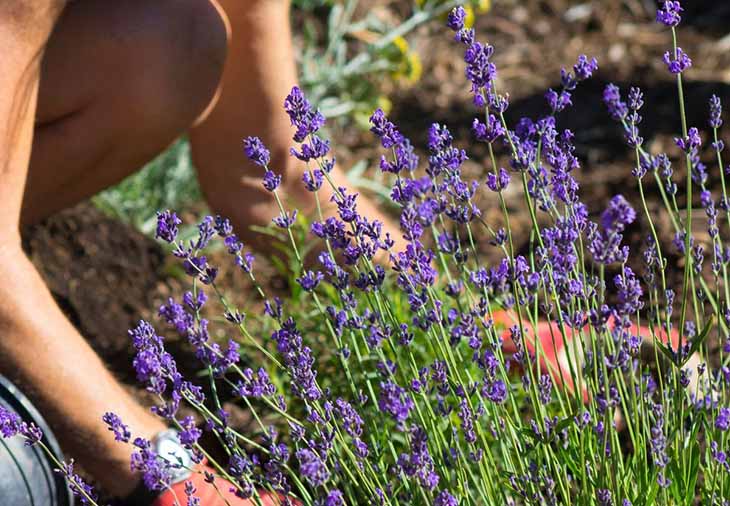
To plant lavender, all you need is dry soil and a sunny location. Lavenders need to be exposed for six hours a day to grow well. They will flower optimally in hot, dry climates and they do not require a lot of water. These flowering plants will thrive in well-drained soil with gravel.
3. Choose the right location for a harmonious lavender hedge
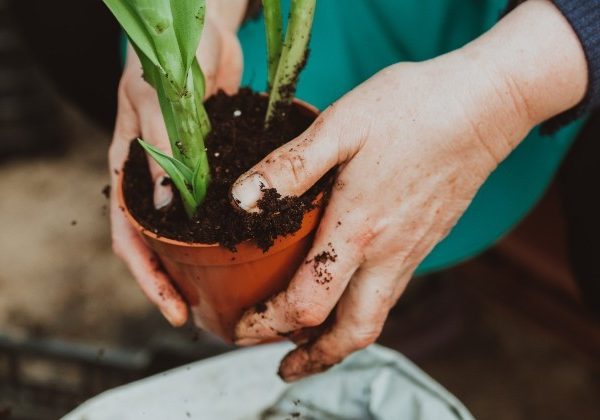
To create a pretty lavender hedge, plant the lavender plants about 30-40 centimeters from each other. Lavender tends to take up a lot of space so it is important to respect this condition for the proper development of this plant. Dig a fairly wide planting hole. Place the lavender base in the middle of the hole with the top of the rootball slightly lower than soil level. Slide the soil around the plant and tamp it down regularly with your feet or hands. After you have established your plants, water them to moisten the soil. Do not overuse water because overwatering could distort the rounded shape of your lavender.
4. Trim a lavender hedge
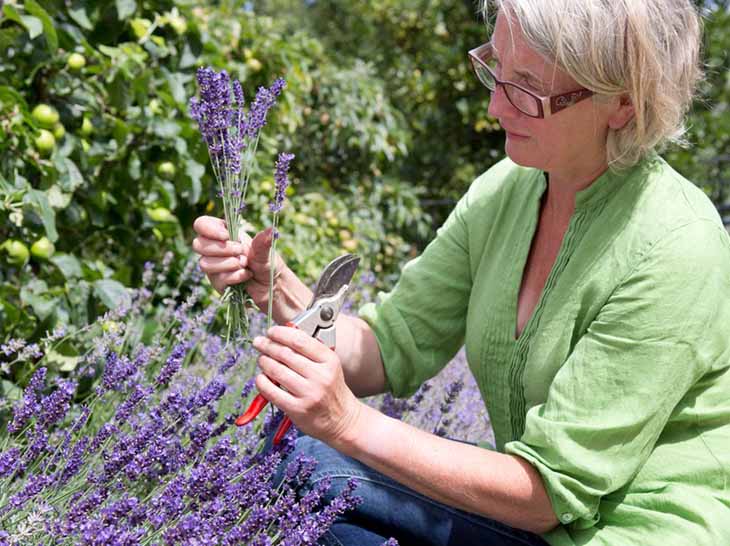
At the end of flowering each year, it is important to prune your lavender plants. To do this, remove two thirds of the young shoots and structure your flowering hedge. Cut the dead stems as close as possible to their root and cut the branches back by half their length to cause a new flowering to start.
5. Good air circulation is necessary to cultivate the lavender hedge
To grow lavender as a flowering hedge, adequate air circulation is necessary to prevent disease. This is why it is important to space the lavender plants well when planting them. This distance will allow each lavender plant to receive enough air and the roots will be less likely to rot.
6. Your hedge must respect the planting distances
A hedge that measures no more than 2 meters can be installed 50 centimeters from your neighbors. If it exceeds 2 meters in height, it must be less than 2 meters from the neighbor’s property line. If you have decided to create a dividing hedge, you must reach an agreement with your neighbor in order to plant it on the dividing line between your two houses.
7. Limit the maintenance of your lavender hedge by using mulch
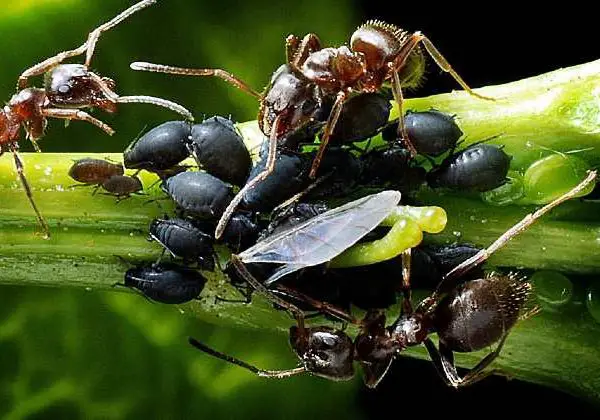
To avoid maintaining your lavender hedge you can mulch it. This technique helps prevent evaporation of moisture from the floor surface. To do this, cover your soil with a layer of mulch of at least 10 centimeters. Mulching limits the proliferation of weeds and the invasion of insects.
With these tips, you now know how to plant a lavender hedge in your garden. This perennial plant can last up to 15 years if properly cared for.