Orchids are exquisite plants that require occasional repotting to thrive. Understanding when and how to transplant them ensures they continue to flourish. Here’s a guide to help you recognize the signs and execute a successful transplant:
1. Signs it’s Time to Repot:
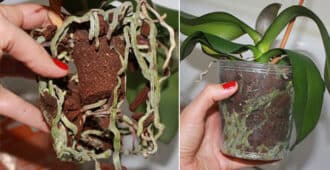
- Overcrowded Roots: If roots are tightly packed, protruding from drainage holes, or circling the pot, it’s time for a larger container.
- Stagnant Growth: Reduced flowering, yellowing leaves, or stunted growth indicate the orchid may need more space or fresh growing medium.
- Potting Medium Breakdown: When the potting mix decomposes or becomes waterlogged, it’s crucial to replace it to maintain orchid health.
2. Choosing the Right Time:
- Post-Blooming Period: Ideally, repot orchids after they finish flowering and enter a dormant or resting phase.
- Spring or Early Summer: These seasons are optimal for repotting, as orchids are more active in growth and recovery.
3. Transplanting Process:
- Prepare New Pot: Select a slightly larger pot with drainage holes and suitable orchid potting mix (bark-based or specialized orchid mix).
- Gentle Removal: Carefully remove the orchid from its current pot, teasing out old medium and inspecting roots for damage or disease.
- Trimming Roots: If roots are damaged or excessively long, trim with sterile scissors, leaving healthy roots intact.
- Positioning: Place the orchid in the new pot, spreading roots evenly and ensuring the base of the plant sits just below the rim of the pot.
- Adding Medium: Fill around roots with fresh potting mix, gently pressing to secure the orchid while avoiding compacting the medium.
- Stabilize and Water: Stake orchids with long stems for stability, then water thoroughly to settle the new medium and hydrate roots.
4. Aftercare:
- Light and Temperature: Place repotted orchids in a location with indirect light and consistent temperature (typically 65-75°F or 18-24°C).
- Adjust Watering: Reduce watering immediately after repotting to avoid root rot, gradually returning to regular watering schedule as the orchid adjusts.
5. Monitoring Growth:
- Observation: Monitor the orchid for signs of adaptation, including new root growth, and adjust care as needed based on plant response.
- Fertilization: Resume light fertilization after 4-6 weeks with a balanced orchid fertilizer to support new growth and flowering.
Benefits of Proper Transplantation:
- Enhanced Growth: Provide orchids with ample space and fresh nutrients to thrive and bloom abundantly.
- Health Maintenance: Prevent root suffocation and promote robust root development for sustained plant health.
- Long-Term Success: Set the stage for continued orchid vitality and beauty, rewarding your efforts with stunning blooms year after year.
By following these guidelines, you can confidently transplant your orchid at the right time and ensure its continued health and beauty in your home or garden. Enjoy the rewarding experience of nurturing orchids and witnessing their graceful growth and flowering cycle.
Show Comments