“A Bitter Gourd Bonanza: Unbelievably Easy Growing for an Abundance of Fruits”
Introduction: For many, the thought of growing bitter gourd might seem daunting due to its reputation for being a challenging crop. However, it’s time to dispel the disbelief – growing bitter gourd is not only surprisingly easy but also incredibly rewarding. In this article, we’ll explore the secrets behind the simplicity of cultivating bitter gourd and the incredible results that await home gardeners who dare to take on this fruitful endeavor.
- Choosing the Right Variety: Start your journey to a bountiful bitter gourd harvest by selecting the right variety. Opt for disease-resistant varieties suited to your climate. Popular choices include Indian, Chinese, or hybrid varieties that thrive in diverse conditions.
- Selecting the Ideal Growing Location: Bitter gourd flourishes in warm and sunny conditions. Choose a location in your garden that receives ample sunlight, at least 6-8 hours a day. Well-drained soil with good aeration is essential for healthy bitter gourd plants.
- Providing Support for Vines: Bitter gourd plants are vigorous climbers, and providing support for their vines is crucial. Install trellises, stakes, or any vertical structure to allow the vines to climb. Vertical gardening not only conserves space but also encourages better airflow, reducing the risk of diseases.
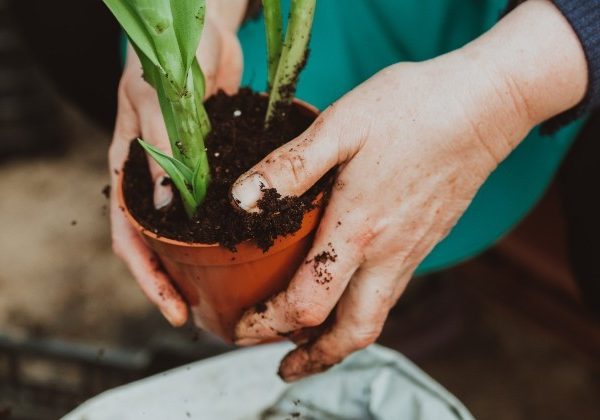
- Sowing Seeds or Transplanting Seedlings: Whether you start from seeds or transplant seedlings, bitter gourd is relatively forgiving. Sow seeds directly in well-prepared soil or transplant seedlings with care. Bitter gourd plants are resilient and adapt well to the transplantation process.
- Regular Watering Routine: Bitter gourd plants appreciate consistent moisture, especially during the growing season. Water the plants regularly, ensuring the soil remains evenly moist. However, avoid waterlogging, as bitter gourd plants are sensitive to overly wet conditions.
- Feeding for Healthy Growth: Boost the growth of your bitter gourd plants by providing them with a balanced fertilizer. Apply fertilizer during the growing season, following package instructions. A well-fed plant is more likely to produce an abundance of bitter gourds.
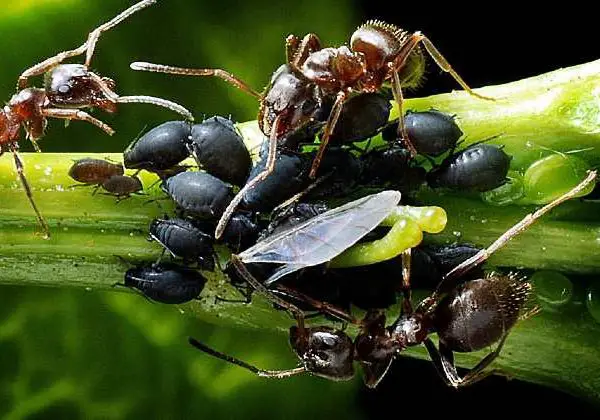
- Controlling Pests Naturally: Bitter gourd plants can be susceptible to pests, including aphids and fruit flies. Implement natural pest control methods such as neem oil or insecticidal soap to keep unwanted visitors at bay.
- Pruning for Productivity: Regular pruning helps manage the size and shape of bitter gourd plants. Trim away excess foliage and side shoots to direct energy towards fruit production. Pruning also improves air circulation, reducing the risk of diseases.
- Harvesting at the Right Time: Harvest bitter gourds when they reach the desired size, typically 4-6 inches in length. Bitter gourds are ready for harvest around 60-70 days after planting. Regular harvesting encourages continuous fruiting and prevents overripening.
- Celebrating the Abundance: Stand back and marvel at the unbelievable abundance of bitter gourds in your garden. From stir-fries to soups, your homegrown bitter gourds will add a unique flavor to your culinary creations. Share the surplus with friends and family, turning your garden’s bounty into a source of joy and pride.
Conclusion: Growing bitter gourd may have seemed like an insurmountable challenge, but as many home gardeners have discovered, it’s surprisingly easy and incredibly rewarding. By following these straightforward steps, you can cultivate a thriving bitter gourd garden that produces an abundance of fruits. Embrace the simplicity, enjoy the harvest, and revel in the delightful bitterness that adds a unique touch to your homegrown culinary adventures.