Gardening enthusiasts are constantly exploring new methods to propagate plants effectively and creatively. One such unconventional technique gaining attention is using carrots to grow bougainvillea cuttings. This method, although unusual, showcases the adaptability and ingenuity in horticulture.
1. Preparation and Technique:
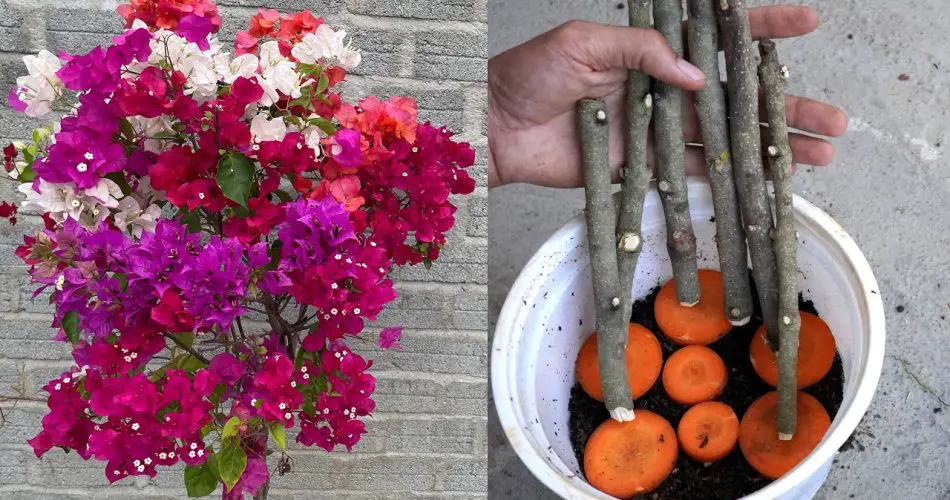
To begin, select healthy bougainvillea cuttings, approximately 6-8 inches long, from a mature plant. Choose fresh, firm carrots and create a hole in each using a skewer or pencil. Insert the lower end of the bougainvillea cutting into the hole, ensuring it fits snugly. The carrot provides stability and a source of moisture as the cutting develops roots.
2. Benefits and Expectations:
Using carrots as a medium for propagation offers several benefits. Carrots naturally hold moisture and nutrients, creating a conducive environment for root development. This method can be particularly useful in climates where traditional soil or water propagation might be challenging due to dry conditions or limited resources.
3. Monitoring and Results:
Keep the carrot-planted cuttings in a bright, indirect light location and monitor them regularly. Over time, roots should emerge from the base of the cuttings, indicating successful propagation. Once roots are well-established, transplant the bougainvillea cuttings into pots filled with well-draining soil to continue their growth journey.
4. Experimental Gardening Fun:
Experimenting with unconventional propagation methods like using carrots not only adds a fun and creative aspect to gardening but also expands the possibilities for propagating plants in diverse environments and conditions. It encourages gardeners to think outside the box and explore alternative ways to nurture and grow their favorite plants.
By trying out the carrot method for bougainvillea cuttings, gardeners can potentially discover a new, effective way to propagate plants while enjoying the process of observing growth and development firsthand. Embrace innovation in gardening and witness the rewarding results of your experimentation.