One of the most versatile and natural products for maintaining a healthy home is vinegar. Known for its antiseptic, antibacterial, and antioxidant properties, vinegar is a powerful ally in the garden as well. Not only does it help improve the quality of the soil, but it also strengthens plants, promoting their longevity and enhancing the shine of their leaves. Discover how to harness the benefits of white vinegar in your garden to keep your plants healthy and thriving!
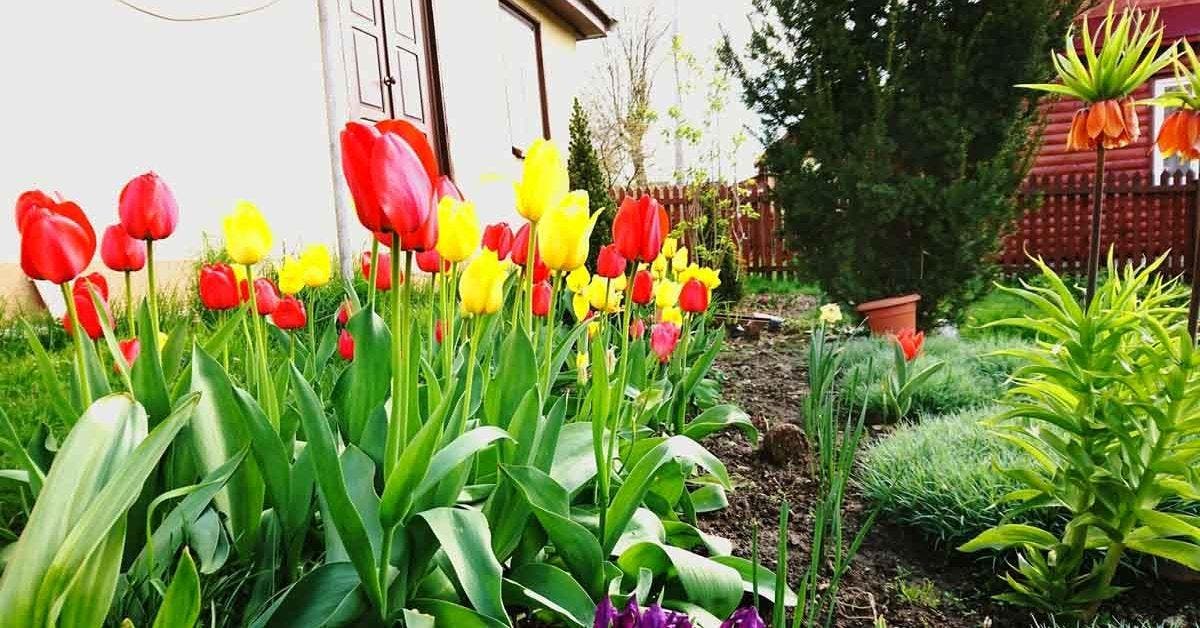
Plants Can Also Get Sick
Just like us, plants can fall ill due to various factors. Infectious agents such as bacteria, fungi, viruses, and nematodes often affect the health of shrubs and other plants. Non-infectious diseases, such as those caused by nutritional imbalances, chemical toxicity, or environmental stress, can also take a toll on your plants. Regular maintenance and care are essential to keep them in good shape.
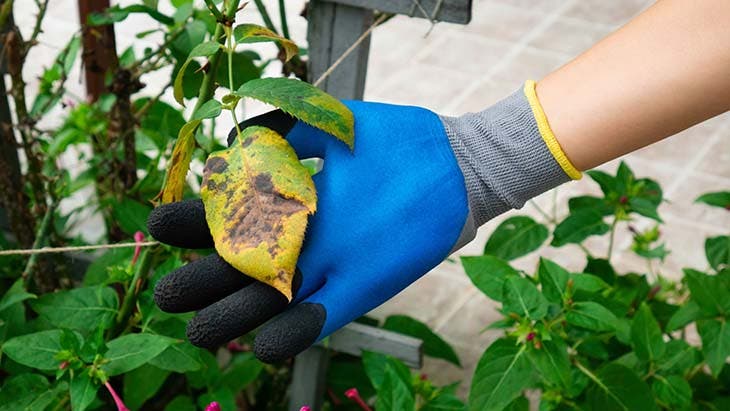
How to Use Vinegar in Your Garden
Vinegar is an excellent natural alternative to chemical products. Not only does it help improve soil quality, but it also nourishes plants and promotes growth. Here are a few ways to use white vinegar to benefit your plants:
- Iron-Rich Soil for Healthy Growth
If your plants need more iron for healthy growth, mix 1 cup of apple cider vinegar with 4 cups of water and use this solution to water your plants. It helps ensure your plants receive the nutrients they need. - Eliminating Ant Infestations
To get rid of an ant infestation, simply surround the anthill with a vinegar solution. The strong scent of vinegar will keep ants away for a long time. - Nourishing Plant Roots
To nourish your plant roots, mix 1 cup of apple cider vinegar with 3 cups of water and apply this mixture directly to the soil. This solution will help encourage healthy root development. - Cleaning and Protecting Leaves
The antibacterial and antiseptic properties of vinegar are also beneficial for your plants’ leaves. To eliminate fungi and regulate the pH of the surface, mix 2 cups of water with 3 tablespoons of white vinegar. You can either spray the solution onto the leaves or apply it with a cloth. - Preventing Damage from Hard Water
Vinegar’s acidity can help neutralize the limescale found in tap water. Adding vinegar to your watering routine will prevent hard water from harming your plants, ensuring they receive proper hydration without any damage.
How to Use White Vinegar as a Weedkiller
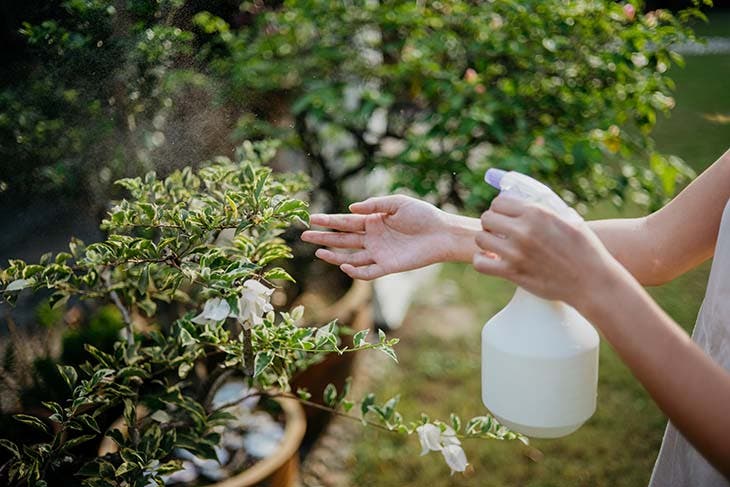
White vinegar is also an effective natural weedkiller. To create a weed-killing solution, simply mix 1 liter of white vinegar with 500 ml of water and spray it directly onto the weeds in your garden, vegetable patch, or along walkways. The acidity of vinegar will dehydrate and eliminate the weeds without the use of harmful chemicals.
The Health Benefits of Vinegar
While vinegar is fantastic for your garden, it has a multitude of other health benefits as well. Here are a few surprising ways vinegar can benefit your body:
- Appetite Suppressant: Cider vinegar, in particular, can help suppress appetite due to its pectin fiber content, which promotes feelings of fullness.
- Digestive Aid: The acetic acid in vinegar aids in digestion, helping to reduce inflammation, promote enzyme production, and improve the absorption of nutrients. It’s a great remedy for relieving stomach gas.
- Cholesterol Reduction: Vinegar can also help lower cholesterol, fats, and triglycerides, making it a natural way to support heart health.
- Diuretic: By regulating glucose levels, vinegar can help act as a natural diuretic, flushing excess fluids from the body.
Incorporating vinegar into your daily routine—both in the garden and in your health regimen—can have positive and long-lasting effects. Whether you’re nourishing your plants or improving your well-being, this humble household item offers a wealth of benefits!