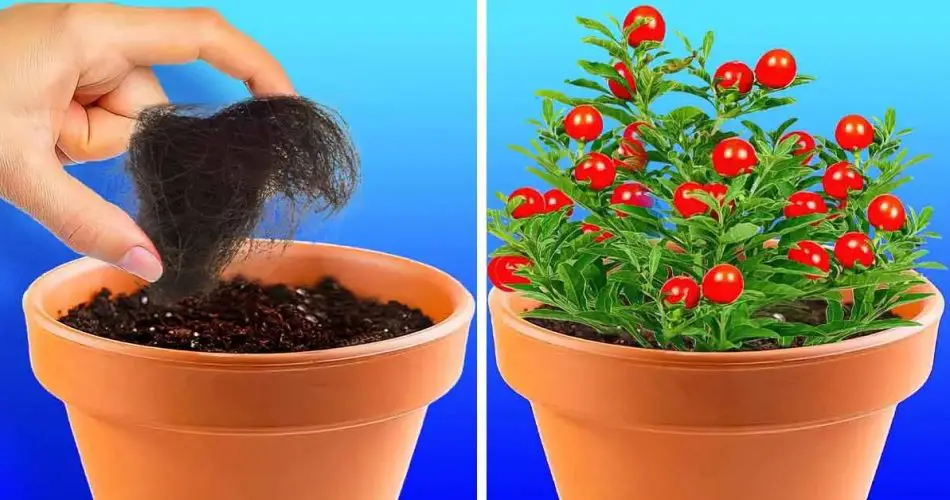
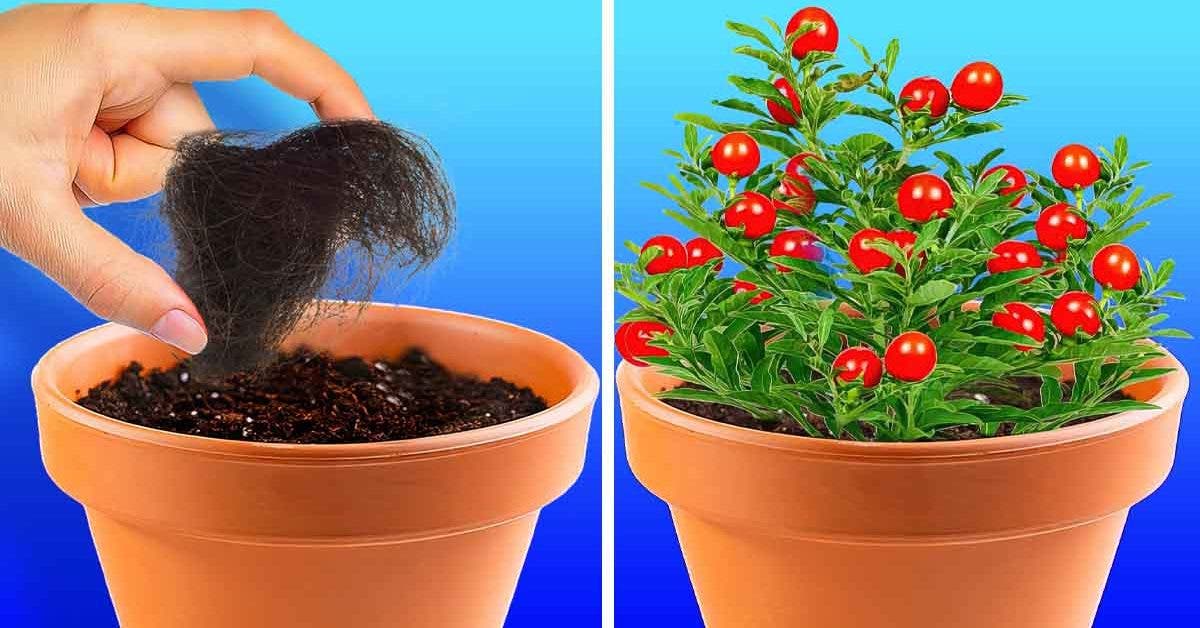
If you’re looking for a natural fertilizer to help your plants grow stronger and healthier, hair might just be the solution you need. While it may sound surprising, hair is a rich source of nutrients like nitrogen, making it an excellent addition to your gardening routine. Instead of tossing that clump of hair you find on your comb, consider using it to fertilize your plants and promote their growth and flowering.
Why Is Hair Good for Plants?
Hair contains essential nutrients, particularly nitrogen, which plays a crucial role in promoting plant growth. Nitrogen helps plants produce new tissue, encourages leaf and stem development, and boosts overall vitality. By recycling your hair, you can provide your plants with a slow-release source of these important nutrients.
How to Use Hair to Fertilize Your Plants
There are two main ways to use hair as a fertilizer for your indoor plants:
1. Using Hair as a Slow-Release Fertilizer
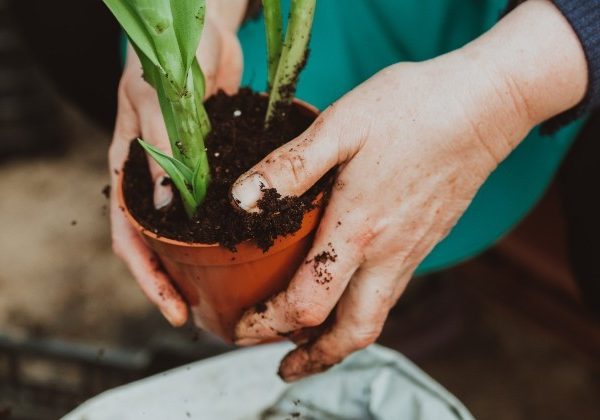
One method of using hair as fertilizer involves burying the clump of hair you find on your comb directly into the soil of your potted plants. Since hair decomposes slowly, it acts as a slow-release fertilizer, gradually providing your plants with nitrogen and sulfur over time. This is particularly beneficial for plants with a long life cycle, such as onions, leeks, squash, and turnips, as they can gradually benefit from the nutrients without being overwhelmed all at once.
- Key Benefits: Slow-release nitrogen, promotes healthy growth
- Ideal for: Long-living plants like onions, leeks, and squash
2. Enriching Compost with Hair
Another effective way to use hair is to mix it into your compost. Compost is already a great fertilizer, made up of plant waste and organic matter. By adding hair to your compost, you can enrich it with nitrogenous materials that will help feed your plants. Hair, being rich in nitrogen and protein, complements the carbonaceous materials (like dead leaves) that are typically found in compost. The result? A more balanced and effective compost that helps nourish your plants.
- Key Benefits: Enriches compost with nitrogen and protein
- Ideal for: All plants, especially those in need of rich, well-balanced compost
Important Considerations
While using hair as a fertilizer is a natural and sustainable option, there are a couple of things to keep in mind:
- Avoid colored or chemically treated hair: Hair that has been dyed or treated with chemicals could transfer those chemicals to your plants, potentially harming them.
- Use only organic hair: Ensure that the hair you use is free from synthetic products or hair treatments.
Bonus Tip: Hair as a Natural Repellent
Did you know that hair can also act as a repellent for pests like moles, hares, or deer? If you have a vegetable garden or fruit trees, scattering hair around the base can help keep these animals at bay, protecting your plants from being eaten or damaged.
Other Organic Materials That Can Be Used as Fertilizer
Hair isn’t the only organic material that can be recycled for use in your garden. Here are a few other items you can use to enrich your soil:
- Pet hair (from dogs, cats, or even birds)
- Cut nails
- Feathers (from birds like canaries)
- Fruit peels and vegetable scraps for composting
By adding these organic materials to your compost, you can create a rich, nutrient-dense environment that will help your plants thrive.
Conclusion: A Natural Solution for Healthier Plants
Instead of throwing away the hair from your brush, consider using it as a natural fertilizer for your plants. Whether you bury it in the soil for a slow-release boost or mix it into your compost, hair can provide your plants with the nitrogen and protein they need to flourish. Not only is this method effective and eco-friendly, but it’s also a great way to reduce waste while nurturing your indoor garden. Happy planting!