Do you turn the compost and notice the presence of worms? Wondering if they are beneficial or harmful? What types of worms are in compost? Are these big white worms and red worms? How can you prevent unwanted worms from appearing in compost? Deavita’s editorial answers all these questions.
What Type of Worms in Compost?
Earthworms
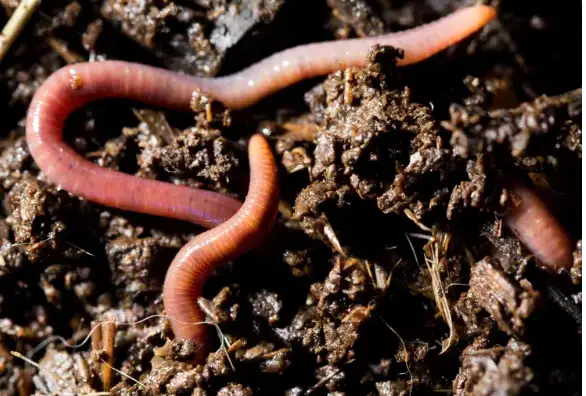
One of the most common worms you can observe in compost is the earthworm. There are many varieties of earthworms, but only some have a place in compost. Composting earthworms, known as epigeal worms, live in and feed on organic matter, helping to break down the waste.
Red Worms
The dung worm, with its red color and light yellow rings, is a composting superstar. It reproduces quickly and is beneficial for compost. These famous red worms often appear within the first week of adding new materials to the compost. Earthworms, on the other hand, are more visible in well-ripened compost and are usually found at the bottom of the pile, while red worms are at the top.
The Cockchafer
The cockchafer larva is a notorious garden villain. These larvae live in the soil and love to devour plant roots, posing a significant threat to your garden. They prefer fresh matter, not decaying matter, so they are less likely to thrive in compost. However, if you spot these orange or brown-headed, large-bodied larvae with longer legs, take action to remove them.
Golden Cetonia
The golden cetonia larva is a beneficial insect for your compost. These larvae feed on dead organic matter and help improve the quality of the compost by creating humus. They have relatively shorter legs, a small head, and an off-white color, making them easy to distinguish from cockchafer larvae.
How to Prevent the Appearance of Worms in Compost
Avoiding Pests
Certain ingredients, such as fruit and sugar, attract large grubs and gnats to compost. These sweet substances encourage pests to lay eggs in the compost. To reduce the attraction, minimize the addition of sugary fruits and maintain proper moisture levels.
Managing Moisture
Worms, especially pests, appear more often on the surface when the compost is too wet. To maintain optimal conditions:
- Aerate Regularly: Turn the compost to ensure good air circulation.
- Add Dry Materials: Balance moisture by adding wood ashes, straw, and sticks.
- Use Biological Solutions: Spraying with Hb nematodes can effectively control harmful larvae. These nematodes penetrate the larvae’s body, multiply, and cause death.
In conclusion, understanding the types of worms in your compost and maintaining the right conditions can prevent unwanted pests while fostering beneficial composting worms. Keep your compost well-aerated, balanced in moisture, and avoid adding too much sugary fruit to ensure a healthy composting environment.