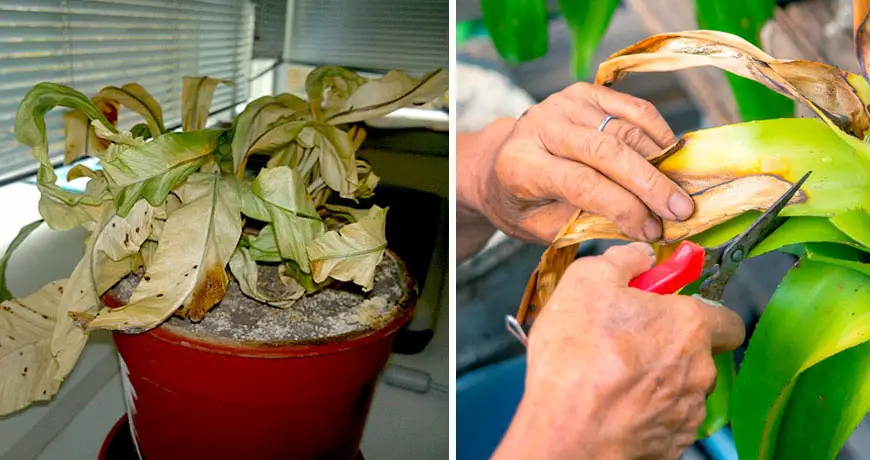

Keeping your plants lush and vibrant can sometimes feel like a balancing act, especially when you notice brown and dry edges on their leaves. These symptoms are often a sign of stress, but with a bit of care and attention, you can turn things around and keep your plants thriving. Here are practical steps to help you prevent and remedy drying leaves:
1. Overwatering
While water is essential for plants, too much of it can lead to root rot and other issues. If you notice soggy soil and yellowing leaves, it’s a sign that you might be overwatering. Here’s how to address it:
- Immediate Action: Stop watering and let the soil dry out.
- Remedy: Remove the plant from its pot, wrap the root ball in paper to absorb excess moisture, and allow it to dry completely.
- Prevention: Ensure your pot has adequate drainage by placing stones at the bottom and using well-draining soil.
2. Dry Plant
A lack of water can also cause leaves to dry out and become crispy. To counteract this:
- Immediate Action: Water the plant thoroughly and place it in a shaded area to reduce further evaporation.
- Short-Term Solution: Cover the plant with a plastic bag to create a mini greenhouse effect, which helps to retain moisture until the plant recovers.
3. Tight Roots
Roots that are overcrowded can lead to poor growth and drying leaves. If you notice roots emerging from the pot’s drainage holes, it’s time to repot:
- Immediate Action: Cut back any dead or damaged tips from the roots.
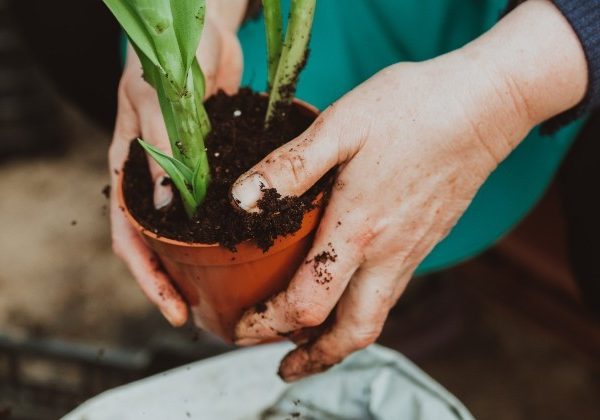
- Repotting: Choose a larger pot, add fresh soil and compost, and gently transfer the plant. Water lightly to help the plant settle into its new environment. Remember, repotting can be stressful, so keep the plant in a sheltered spot afterward.
4. Investigate Plant Needs
Different plants have specific requirements for light, water, and nutrients:
- Research: Make a list of your plants and their individual needs. Consider factors such as light exposure, watering frequency, and soil type.
- Adjust Care: Create a care schedule or a table to keep track of each plant’s needs. Sometimes, simply adjusting the plant’s location or care routine can prevent drying issues.
5. Beware of Excessive Sun
Too much direct sunlight can scorch plant leaves:
- Immediate Action: Move plants that are getting too much sun to a spot with indirect light.
- Watering Tips: Water the soil rather than the leaves to avoid creating a magnifying effect that can burn the leaves. For tropical plants, misting the leaves can be beneficial.
6. Use Rested Water
Tap water often contains chlorine and minerals that can be harsh on plants:
- Preparation: Let tap water sit for 48 hours before using it. This allows chlorine to evaporate and reduces the impact of hard water minerals.
- Observation: You’ll likely notice improved plant health with this simple adjustment, as the water will be gentler on your plants.
By understanding and addressing these common issues, you can maintain the health and beauty of your plants. Regular observation and adjustments based on your plants’ needs will keep them thriving and vibrant throughout the year.