For vibrant, flourishing plants, it’s essential to go beyond watering and ensure they receive the right nutrients. Fertilizing enriches the soil with the necessary vitamins and minerals for optimal plant growth. Today, I’ll show you how to create an effective homemade liquid fertilizer using common kitchen scraps. This eco-friendly approach not only saves money but also helps recycle organic waste.
This homemade fertilizer will boost microbial activity in the soil and enhance its water retention capacity, leading to healthier plants.
Ingredients

- Potato Peels: Rich in carbohydrates, potassium, and vitamins C and B. They also provide phosphorus, crucial for plant respiration and flower formation.
- Banana Peels: Packed with potassium, iron, magnesium, and vitamins A and E. They support overall plant health and disease resistance.
- Sweet Potato Peels: Contain copper and vitamins, and act as antioxidants.
- Eggshells: High in calcium, they help fight pests and reduce soil acidity.
In addition, you’ll need:
- A medium pot
- A strainer
- A watering can or pouring container
- Water
Procedure
- Boil the Ingredients: Place potato peels, banana peels, sweet potato peels, and eggshells in a pot. Fill with water and bring to a boil. Let it simmer for about 15 minutes.
- Cool the Infusion: Allow the mixture to cool down. For best results, let it sit overnight to fully infuse.
- Strain the Mixture: Use a strainer to filter the liquid into a watering can or pouring container. The resulting infusion is packed with nutrients.
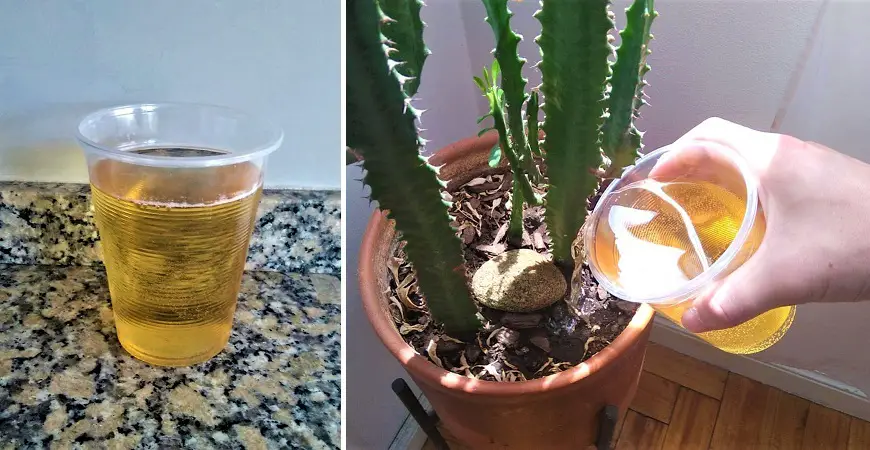
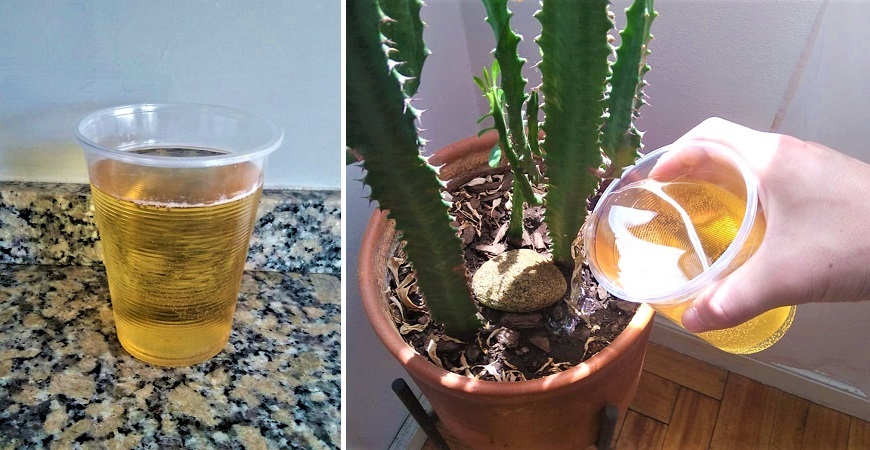
- Application: You can use the mixture directly without diluting it. Apply it to the soil or create small holes in the soil where you can pour the fertilizer.
Tip: For optimal results, apply the fertilizer in the early morning or late afternoon to prevent the sun from evaporating the liquid.
Additional Tips

- Use Rainwater: Rainwater is ideal for irrigation as it lacks chlorine. If you can’t collect rainwater, fill a container with tap water and let it sit overnight to allow the chlorine to dissipate.
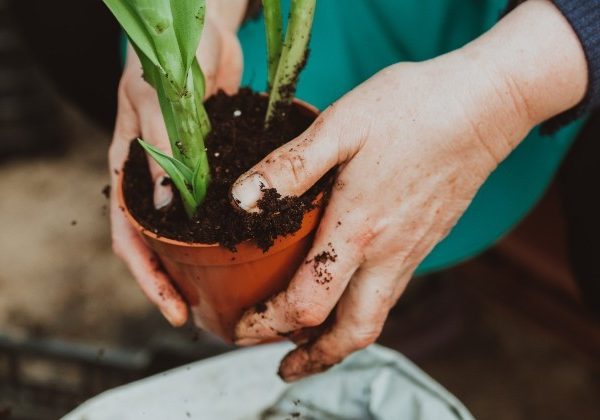
- Prune Carefully: When transplanting, trim any long or damaged roots carefully to avoid disturbing the soil too much.
- Keep Leaves Clean: Dust on leaves can hinder plant health by clogging pores. Clean leaves with room-temperature water or a damp cloth, especially for large, smooth leaves.
- Remove Wilted Leaves: Wilted or dead leaves can affect flowering and may lead to diseases. Use sharp scissors to carefully remove these leaves, avoiding damage to the stem. If pruning multiple plants, disinfect the scissors with alcohol to prevent disease spread.
By following these steps and tips, you’ll help your plants thrive with a nutrient-rich, homemade fertilizer while also practicing sustainable gardening.