Despite harsh detractors, this true oriental delicacy has been on our tables for several years.
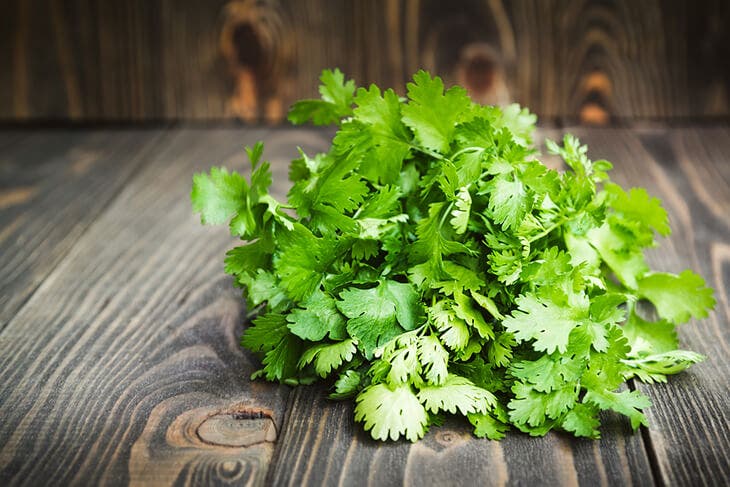
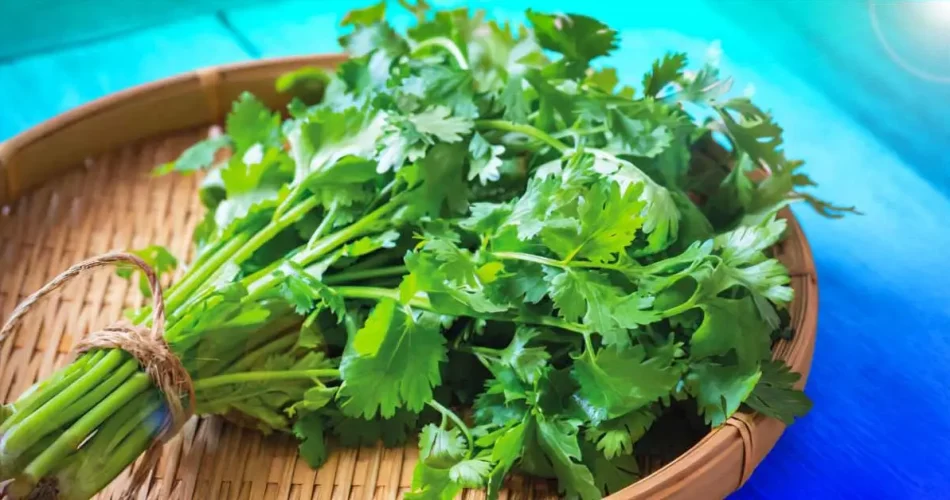
Cilantro looks a bit like flat-leaf parsley, it grows in clumps 60 to 80 centimeters high. The stems are erect, cylindrical and branched towards the top. The leaves are cut closer to the top of the stems. The white hermaphrodite flowers, in summer, are gathered in umbels.
Cilantro comes from Western Asia, Southern Europe, and the Near East, but its origin is still not completely understood. We know that it grows all over the Mediterranean, we have found some archaeological traces of this wild plant widely distributed in southern Europe, and one of the oldest testimonies is found on an Egyptian papyrus from 1,500 years before. our era listing plants for medicinal use. The etymology highlights the Greek root koris, or “bug”, to recall the smell that the plant gives off and that some assimilate to that of the crushed insect, to put you off this aromatic which deserves much better than a pout of disgust. Others, just as disgusted, mention a taste of soap. But hey, it seems to be a matter of genetics. A specific gene, OR6A2, controls our sensitivity to aldehydes, a chemical component present in coriander, but also in soap. To say the least , is that Arabic, or Chinese, parsley has a pronounced taste and aroma: you like it or not. But it is unrivaled for enhancing dishes of white and red meat, lamb, mutton, fish or vegetables.
Cilantro in the Garden
Sowing
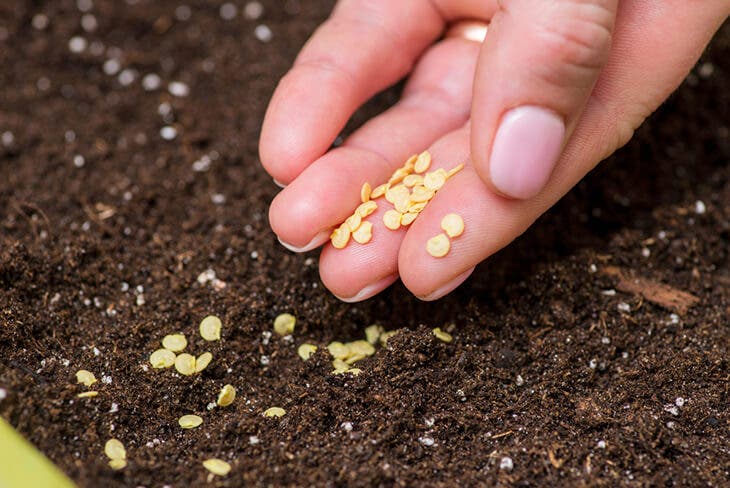
It is a biennial plant most of the time, cultivated as an annual. In March-April (but also in September in mild climates), sow in rows spaced 25 centimeters apart at ½ centimeter deep. Germination time is around 15 days, but emergence can be irregular. When the plants have 4 or 5 leaves, thin out to leave only one plant every 20 to 25 centimeters in the row. In a large pot or planter, sow all year round at 18°C. After emergence, keep a plant every 15 centimeters in all directions. Just like parsley, sowing is mandatory every year to never run out of fresh herb leaves.
The Plantation
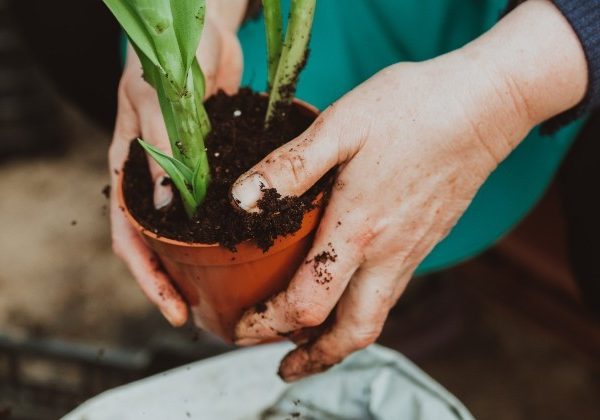
If your needs are limited, and mainly intended for cooking only, you can buy one or two plants already grown in a garden center in April. Cilantro being very popular, you will easily find it. For growing in the ground, plant a subject approximately every 20 centimeters.
The Interview
From sowing, but especially as the hot months approach, keep the soil cool by regular watering to avoid premature flowering (and seeds). Mulch abundantly to limit water loss and the frequency of watering.
Cilantro is sensitive to the cold, which is why biennial cultivation is reserved for the south of the country. Its stems are slender and do not tolerate wind well, choose a sheltered place in the garden. Autumn is a good time to lightly spread an organic fertilizer in anticipation of the second year’s growth.
Harvesting Seeds
We remind ourselves every time, we must speak of “grains”, because we harvest the fruits which themselves contain the real seeds from a botanical point of view. But this small clarification in no way detracts from the flavor and properties of the grains. In August-September, get up a little early, with the dew, to cut the umbels bearing very ripe fruits: they are generally dark brown in majority, some remain lighter, and uniformly colored. By being early, you will avoid the heat of the day from causing the grains to fall, and therefore losing them. Dry them in the sun or in a ventilated place. Beat them over a large clean cloth and bag your grains in kraft paper. Some of them will be used as seeds for the following year (they retain their germinative power for five or six years), but the majority will end up in cooking or comfort medicine.
The future of coriander?
Faced with the craze, a few varieties that are still very few in number and not always widespread are offered. Such as “Delfino” (syn. “Confetti”) with leaves reminiscent of ferns, or “Lemon”, reputed to be more subtle. “Morrocco” is recommended for its smaller and spicier seeds. As for “Microcarpum”, you will have to go find it in Russia (not the best time) or in Central Europe during future trips.
Coriander doctor
Its main virtues, in internal uses, are digestive, aperitif and carminative. It also calms diarrhea and its spasms – this is mainly due to the seeds. It is rich in vitamin K, but it should be consumed excessively to take it into account in the event of anticoagulant treatment. For external use, its oil is a good muscle relaxant, its richness in linalool, with its pleasant fresh smell, makes it a bactericide, an antifungal, but also an anxiolytic, a calming agent and a sedative.
Cilantro in cooking
It is unthinkable to do without coriander in Mediterranean cuisine. What would chorba, this delicious Algerian soup, Tunisian méchouia salad or the many Moroccan tagines, for example, be without it? Like many aromatics with broad, green leaves, it must be used finely chopped and added to hot dishes at the last moment, because its taste qualities deteriorate with heat. It is better to prefer the consumption of fresh or dried leaves, or ground grains, but avoid cold storage, as it does not tolerate defrosting well.
The other way to use and store cilantro is to choose its seeds. They are used in many oriental spice blends, curry, garam massala, ras-el-hanout, present in couscous, tagines, curries, stuffings, meatballs, koftas, etc. They are used sparingly in certain oriental pastries, cakes, gingerbreads or to spice up fruits poached in syrup.
Boost your infusion
A little dull is the coriander infusion? Not if you give it a little relief. Gently crush the equivalent of a tablespoon of grains in a mortar, just to pop them. Place in a teapot of already boiled water, add a splash of turmeric and a zest of lemon, orange, kaffir lime or any other citrus fruit. Filter and drink hot. For more intensity, you can also add two or three sprigs of fresh coriander.
An infusion for the garden
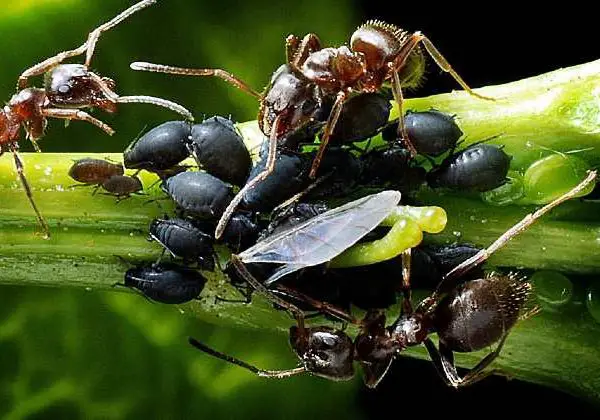
Among the many preparations used in the garden, a recipe recommends infusing 150 grams of fresh coriander in 5 liters of boiling water, filtering after 30 minutes to 1 hour and allowing to cool before spraying as is, without dilution, to combat aphids and mites.