To ensure the healthy growth and vibrant flowering of your plants, it’s essential to provide them with the right watering conditions. Some plants, particularly orchids, are very sensitive to hard water, which contains high levels of limescale. This article will reveal a simple trick to neutralize the harmful effects of limescale in water, helping your orchids thrive.
Why Limescale-Free Water is Crucial for Orchids
Orchids, like the popular phalaenopsis (butterfly orchid), are especially sensitive to hard water. Limestone in the water can leave unsightly white deposits on the foliage and roots, damaging your plant’s health. To prevent this, it’s recommended to use non-calcareous water, such as rainwater or filtered water. If you can’t collect rainwater, there’s a simple solution: add a few drops of lemon juice to the water. This helps neutralize the limescale in tap water, ensuring your orchids receive clean, healthy hydration.
Adding Lemon Juice for Limescale-Free Water
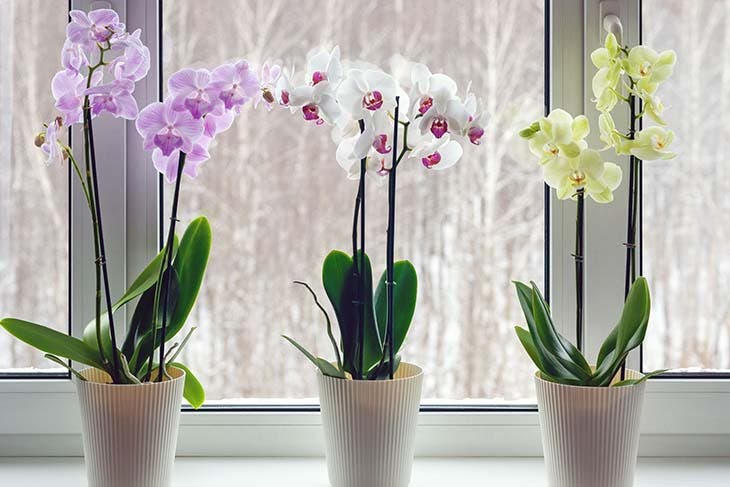
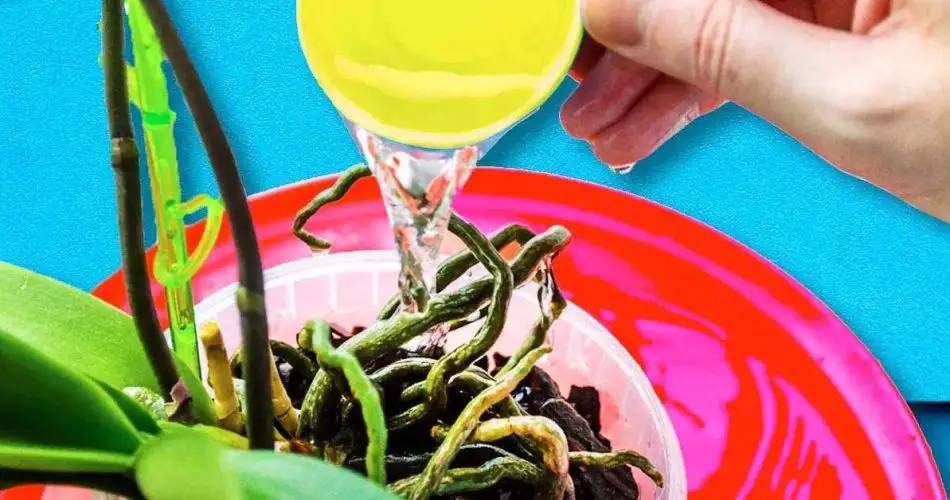
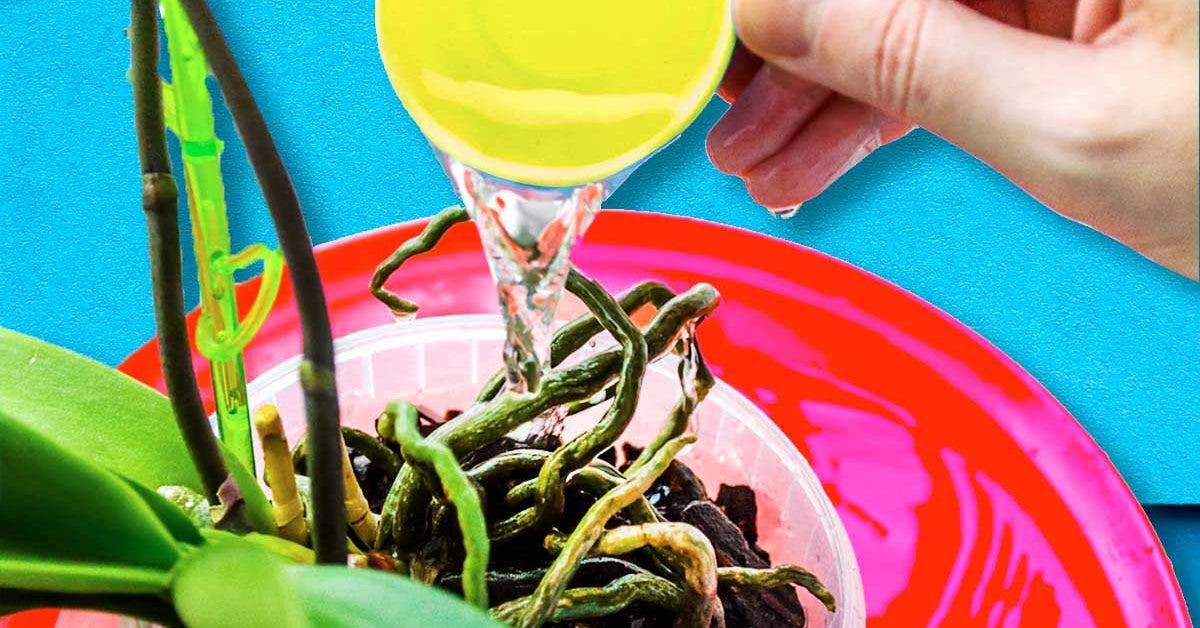
A simple trick to make your tap water more suitable for orchids is to add about 10 drops of lemon juice per liter of water. This neutralizes the limescale in hard water, making it safer for your orchids. By doing this, you’ll provide a cleaner, healthier environment for your plants to grow and bloom.
Promoting Healthy Orchid Growth with Fertilizer
To encourage better growth and flowering, you can add liquid fertilizer to the watering water, but be cautious not to overdo it. Excess fertilization can actually harm your orchids. It’s recommended to add fertilizer every 3–4 waterings, particularly during the vegetative growth period, to ensure balanced and healthy growth.
How to Water Orchids Effectively
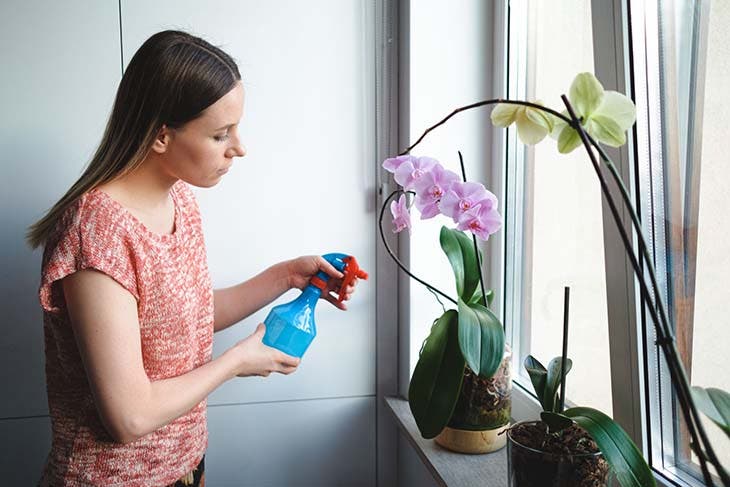
While orchids enjoy humidity, they don’t tolerate being overwatered, as this can lead to root rot. The best way to water your orchids is by using the soaking method. Here’s how to do it correctly:
- Soak the pot in a basin of water mixed with a few drops of lemon juice to neutralize limescale.
- Ensure that only about three-quarters of the pot is submerged.
- Let it sit for about 10 minutes.
- After soaking, drain the pot thoroughly before returning it to its place.
This method ensures the orchid gets the hydration it needs without risking root rot or overwatering. It’s also essential to use room temperature water, as water that is too cold or too hot can cause thermal shock and damage your orchid’s roots.
Misting Orchids for Better Humidity
Orchids thrive in humid environments, but it’s important to mist them properly. Use non-calcareous water at room temperature for misting, and always keep the orchid away from drafts and direct heat sources. This helps to maintain the humidity your orchid needs without stressing it. Note that during the flowering period, you should only mist the foliage, not the flowers, as excess moisture on the flowers can cause them to wilt.
Repotting Orchids for Long-Term Health
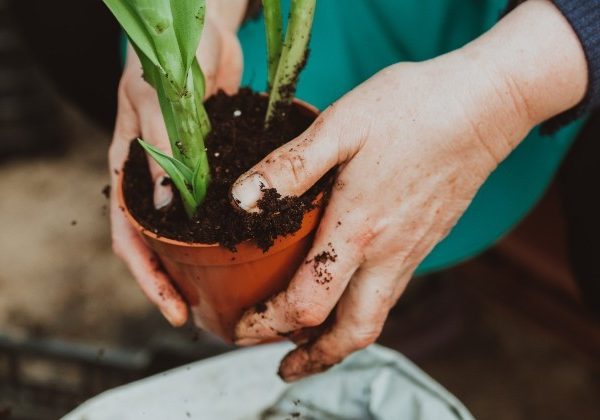
To keep your orchids healthy and growing strong, it’s essential to repot them every two to three years. Use a special orchid soil mix, which typically contains ingredients like coconut fibers, charcoal, bark mulch, and clay balls. This mix promotes drainage and ensures your plant gets the proper aeration and nutrients it needs.
Summary: How to Neutralize Limescale in Water
By simply adding a few drops of lemon juice to your watering water, you can neutralize the limescale in hard water, giving your orchids the perfect hydration for healthy growth and vibrant blooms. Remember to always check the condition of the roots and substrate to avoid overwatering, and be cautious with fertilization to prevent damaging your plants.
Is White Vinegar Harmful to Plants?
Although white vinegar can be an effective tool for weed control, it’s not recommended for use on most plants. The acetic acid in vinegar can significantly lower the soil pH, inhibiting plant growth. In fact, it can be deadly to many plants, so it should be used with great caution or avoided in favor of more plant-friendly alternatives.