The rose is often called the “queen of the garden” for good reason. Its elegance, vibrant colors, and fragrance make it a favorite flower for many. Roses invite reverie and provide a spectacle of beauty that transforms any garden. What could be more satisfying than witnessing a rose bush in full bloom? Here’s how to ensure your roses flourish throughout the summer.

Roses: A True Source of Colors and Fragrances
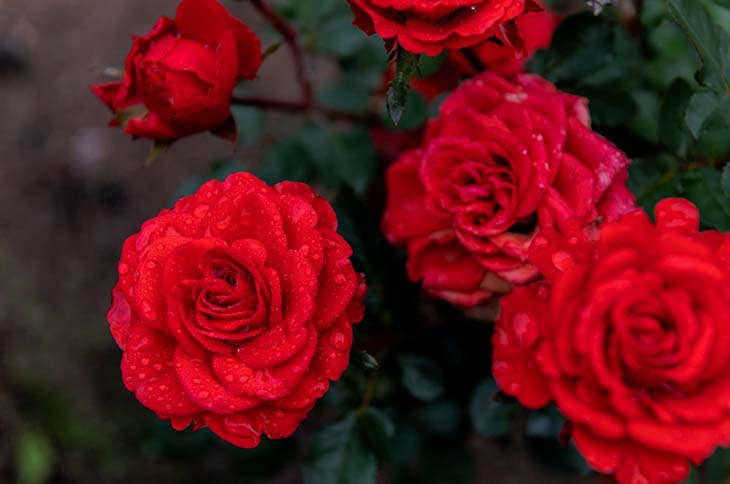
When well cared for, roses can beautify your home whether planted in your yard, as a garden hedge, or in perennial beds. Their color palette is striking, featuring hues from red to pink, white, purple, and even black. Roses can be single-colored, striped, spotted, or any combination thereof, and they are known for their intoxicating scents, ranging from citrus to fruity aromas.
Considerations Before Planting
Before purchasing roses, consider the planting location. Not every home or garden is suited for all types of roses. Key questions to ask include:
- Is the area sunny enough?
- Is the soil suitable for roses?
- Is there a water source nearby?
Roses are delicate flowers that require specific conditions to thrive. Proper sunlight, soil type, and watering are essential for their growth and blooming.
How to Plant Rose Plants
Light
Roses need full sun or at least 6 hours of sunlight per day. Choose a spot that receives plenty of morning or afternoon sun.
Soil
Roses thrive in deep, fertile, well-drained soil but can also adapt to clay or slightly sandy soils. If your soil has gravel or rocks, enrich it with compost or a planting mix for better growth.
Watering
Ensure the soil is well-drained as rose roots shouldn’t sit in water. Water them throughout the summer, especially during hot days in August. It’s best to water early in the morning.
Planting
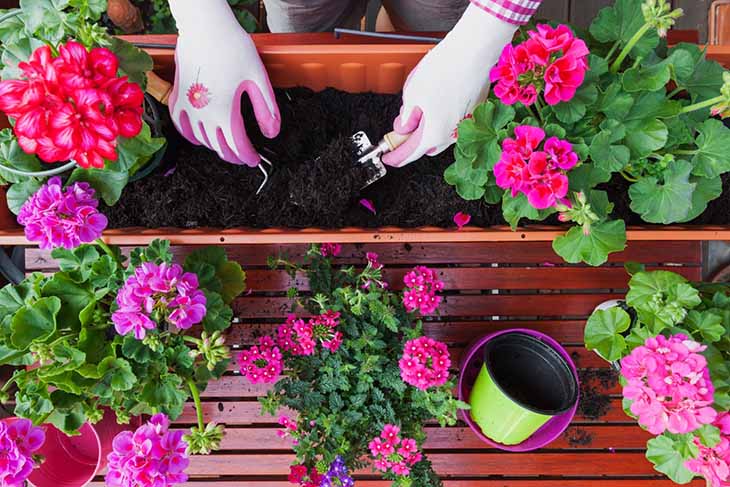
Plant roses between November and March. Dig a hole about 60 cm deep and space the plants at least 50 cm apart. Enrich the soil with compost or organic fertilizer to promote abundant flowering. Water generously after planting to help them establish roots.
Pests and Diseases
Roses can attract pests like aphids and caterpillars, so be prepared with repellents. While many roses are disease-resistant, they can still be affected by issues like chlorosis, powdery mildew, and rust. Treat these promptly to prevent damage.
How to Stimulate Summer Flowering
Pruning
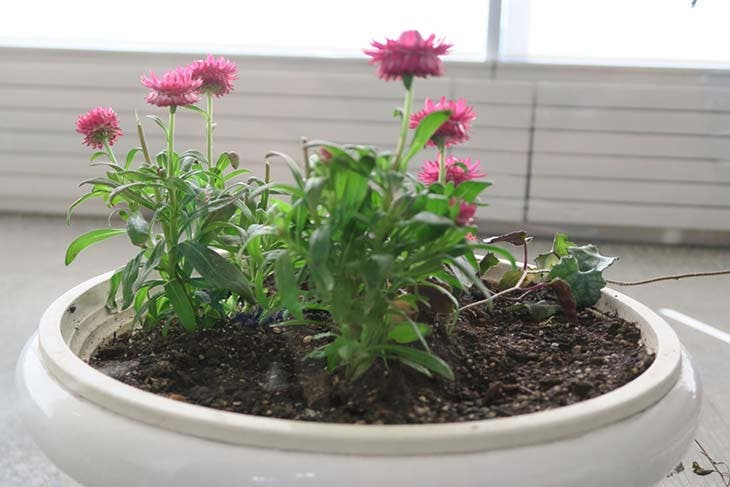
To keep roses blooming all summer, regular pruning is essential. This helps promote longevity, disease resistance, and abundant flowering. Remove faded flowers and dead or tangled branches to allow the bush to breathe. Prune at the end of winter and after flowering.

Pruning Tips:
- Cut faded flowers about 1/2 cm above a group of 5 or 7 leaflets to encourage new growth.
- Regularly prune clustered roses that tend to fade early to maintain blooms.
Fertilizing
After blooming, fertilize your roses to provide the nutrients they need to stay vibrant throughout summer. This will also help keep their leaves bright green.
Important Note: Always use disinfected and sharp pruning shears for clean cuts, ensuring a precise and harmonious finish.
By following these steps, your roses can thrive and offer a magnificent display all summer long, enhancing your garden with their stunning beauty and delightful scents.