Composting is a fantastic way to transform everyday organic waste into nutrient-rich fertilizer for your plants. If you’re new to composting, this guide will walk you through the simple steps to create your own compost at home. Whether you’re an experienced gardener or just starting out, composting is an eco-friendly method that benefits both your garden and the planet.

1. Creating Your Compost Bin
Making a compost bin is straightforward and can be done with materials you likely already have at home. Compost bins are available commercially, but you can easily make a functional bin with basic supplies.

Indoor Composting Bin
If you have limited space, especially in apartments or small homes, an indoor compost bin is a great solution. Choose a container that can handle moisture and insects, like plastic boxes or buckets. Stack two or three of these containers, ensuring they have holes in the base for ventilation and drainage.
Outdoor Composting Bin
For those with outdoor space, you can use similar containers or build a compost bin from wood. Place a layer of soil at the bottom of your bin, and position it on a raised tray or smaller bin to catch any liquid that may leak out. Cover your compost to keep it from drying out and to protect it from pests.
2. What to Add to Your Compost

You can include a variety of organic materials in your compost bin:
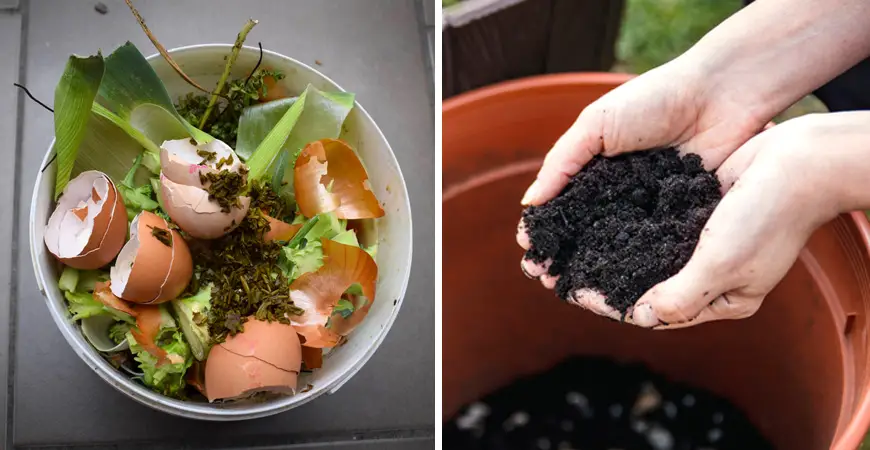
- Fruit and vegetable scraps
- Coffee grounds and filters
- Eggshells
- Wood scraps
- Cardboard and paper
- Leaves and small branches
- Ashes from wood fires
- Used matches, hair, and dust
Balance is key in composting. Ensure that your compost contains a mix of green (nitrogen-rich) and brown (carbon-rich) materials. Aim for a moist but not soggy consistency to maintain the ideal conditions for decomposition.
What Not to Compost
Avoid adding materials that can disrupt the composting process or introduce unwanted elements:
- Meat, bones, and fatty foods
- Dairy products like milk, yogurt, and cheese
- Pet waste or urine
- Charcoal or coal
- Excessive citrus peels
3. Adding Worms for Better Composting

Worms, particularly Californian red worms, are excellent at breaking down organic matter. After about two weeks of adding waste to your compost bin, introduce worms to help with the decomposition process. They convert organic waste into nutrient-rich humus, which enhances the compost quality.
Beneficial Insects
Other helpful insects include:
- Soldier fly larvae, which quickly break down waste
- Springtails, which aid in decomposition
- Pill bugs, thrips, diplurans, and symphylans, which contribute to the composting process
These insects work together to accelerate decomposition and improve compost quality.
4. Checking Compost Readiness

The readiness of your compost depends on various factors such as temperature, moisture, and the materials used. Generally, compost is ready when it has a dark, soil-like appearance and you can no longer distinguish individual pieces of organic matter.
To determine if your compost is ready, open the bin and check if the mixture resembles rich, dark soil with no recognizable scraps. When your compost reaches this stage, it’s ready to use as fertilizer. Empty the bin and start a new composting cycle to keep the process going.
By following these steps, you’ll create a valuable resource for your garden and contribute positively to the environment. Happy composting!