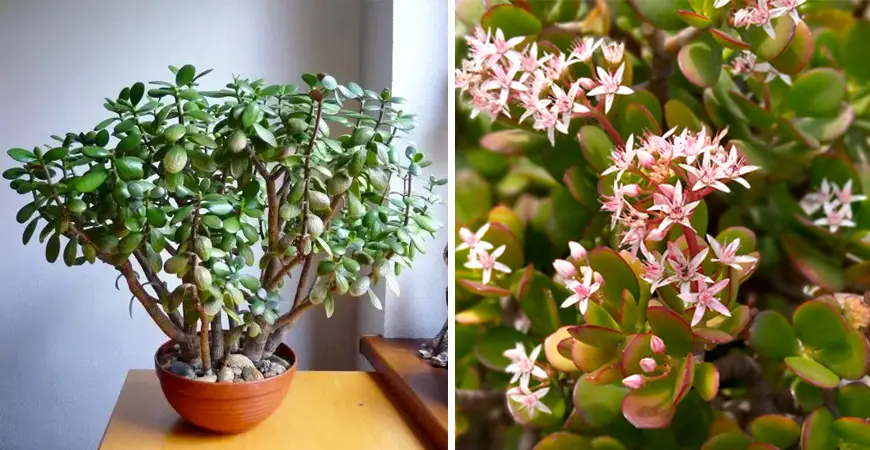
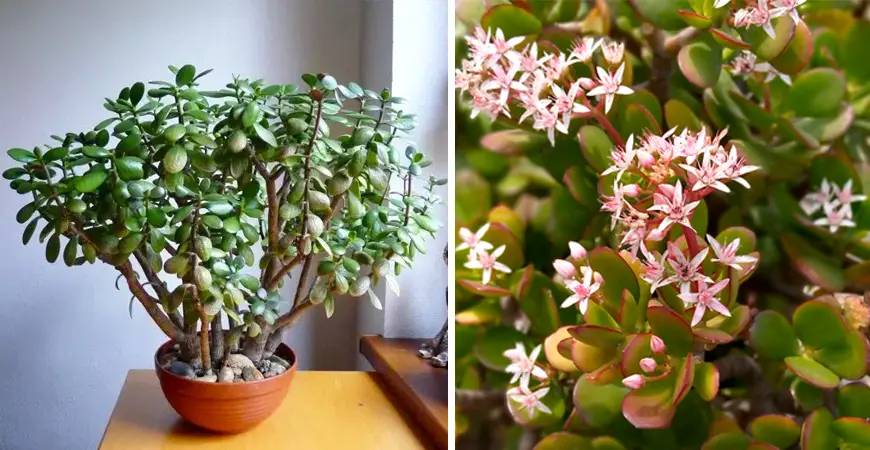
Today we turn our attention to the fascinating jade tree, a plant renowned not only for its resilience but also for the stunning flowering display it can offer. Known for its round, fleshy leaves and tree-like shape, the jade tree, or “money plant,” is one of the most popular succulents worldwide. With the right care and patience, you can enjoy its rare and aromatic blossoms. Here’s how to encourage your jade tree to bloom.

1. Maturation
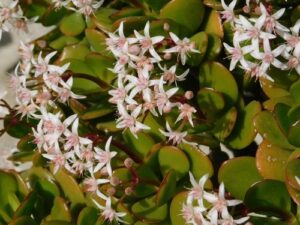
If you’ve grown your jade tree from seed, be prepared for a long wait. Young jade trees typically don’t flower; it usually takes several years for a mature plant to start producing its charming, star-shaped clusters of flowers. This slow blooming process teaches us patience and perseverance, and the reward—when it eventually happens—is well worth the wait.
2. Nutrition
When growing a jade tree in a pot, it’s crucial to manage nutrients carefully, as the soil has a limited supply. Spring is the best time to fertilize, and jade trees thrive on worm humus and compost. However, be cautious not to over-fertilize. Excess nutrients can harm the plant rather than help it, so a single application of fertilizer is usually sufficient.

3. Temperature
Jade trees flower best in cooler autumn temperatures, ideally around 15°C (59°F). During the summer, keep the plant near a well-lit area but shield it from direct sunlight to prevent leaf burn. As temperatures drop in the fall, move the tree to a cooler room in your home to help stimulate bud formation.
4. Irrigation
Proper watering is essential for a jade tree’s health and blooming potential. Choose a pot with good drainage to avoid waterlogging, which can damage the roots. Water the plant thoroughly, but only when the soil is dry to the touch. Rainwater is ideal, but if unavailable, let tap water sit for 48 hours before using it to allow chlorine to dissipate.
5. Environmental Setting
Jade trees prefer arid conditions and can struggle with excess humidity. If your jade tree is mature, place it in a dry environment as the cooler season begins and reduce watering to encourage blooming. If the plant doesn’t flower immediately, continue providing the right conditions and be patient—flowering may take time.
6. Transplanting
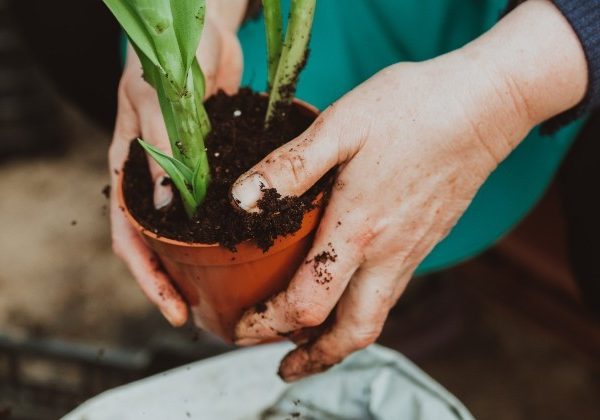
Jade trees don’t require frequent repotting and generally prefer a snug pot. If you need to transplant, do so after the flowering period. Transplanting is more about refreshing the soil and nutrients than providing additional space for the roots.
By following these tips, you’ll create the ideal conditions for your jade tree to bloom and enjoy the captivating fragrance of its flowers. With patience and proper care, your jade tree will reward you with a beautiful display of blooms.