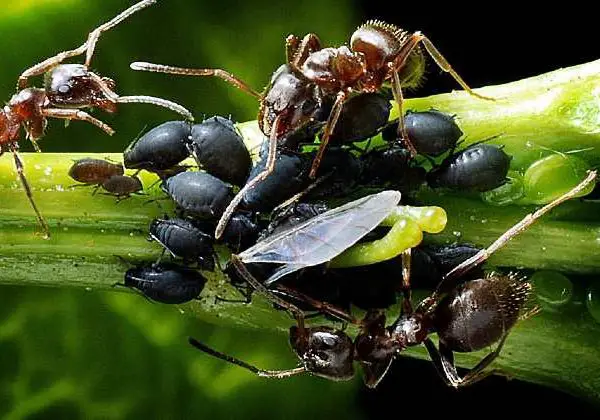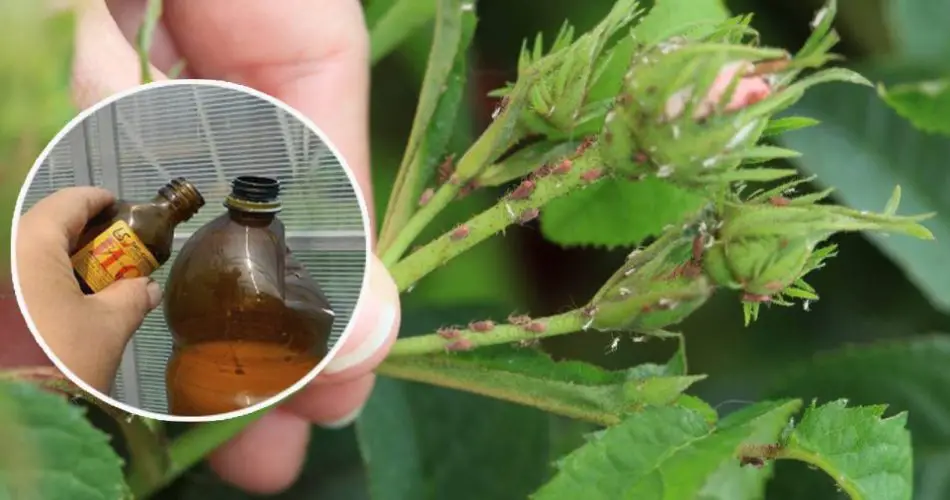
Dealing with aphids on roses can be a persistent challenge. To effectively combat them, prevention is key, especially starting in spring. Consistency is crucial, as treatments may need to be repeated between 3 to 10 times for optimal results.
Impact of Aphids on Roses
Aphids can severely affect roses, causing leaves to yellow, curl, and develop a sticky coating. This pest can also lead to buds drying up, and if left unchecked, can attract sooty fungus and other harmful diseases that may endanger the plant’s health.
Mechanical Control
For minor aphid infestations, mechanical methods can be effective. Use a strong stream of water to wash aphids off the plants, allowing them to fall to the ground where they may be consumed by other insects. Alternatively, manually crush them after dislodging them with water.
Natural Methods to Combat Aphids
- Liquid Soap Solution
- Mix 5 tablespoons of liquid laundry soap into 1 liter of water. Thoroughly treat the rose bushes with this solution. Repeat the application after 2 weeks for continued effectiveness.
- Wood Ash Decoction
- Boil 350 grams of wood ash in 10 liters of water for 2 hours. Strain the decoction and use it to spray the rose bushes. This method helps deter aphids effectively.
- Tobacco Infusion
- Boil 100 grams of tobacco dust in 1 liter of water for 30 minutes. Let it steep for 24 hours, then filter the infusion. Dilute it with an equal amount of water and add 30 grams of liquid household soap for better adhesion. Apply this solution to the bushes every 14 days.
- Garlic Solution
- Place two chopped garlic heads in 10 liters of water and leave them to steep for 24 hours. Use this solution to effectively combat aphids, mites, and weevils on your roses.
- Onion Peel Infusion
- Soak 200 grams of onion peel in 10 liters of warm water and allow it to infuse for 5 days in a warm place. Strain the infusion and use it to spray the rose bushes. This natural remedy helps repel aphids and protect the plants.
Chemical Alternatives
In severe infestations, chemical options like Decis, Tanrek, Kinmix, Tsvitolux, Aktara, and Iskra Zolota can be effective. However, it’s advisable to use them as a last resort due to their potential environmental impact and toxicity to beneficial insects.
By employing these methods diligently and choosing the right approach based on the severity of the aphid infestation, you can effectively protect your roses and ensure they thrive beautifully in your garden.