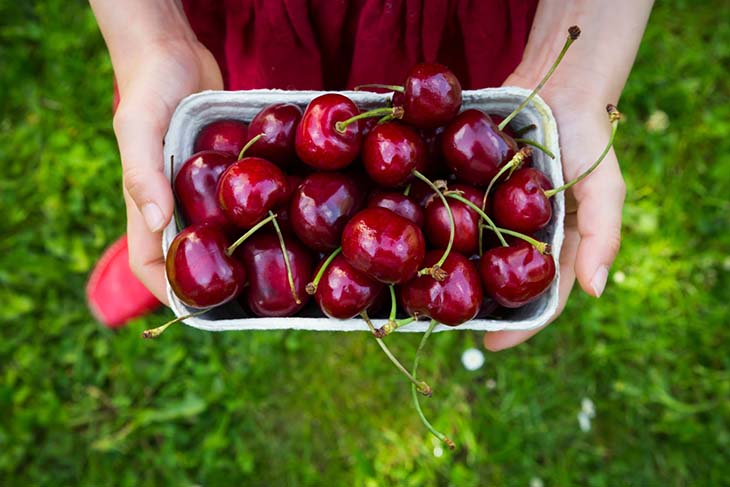
Cherry season is just around the corner! This beloved summer fruit, known for its vibrant red color, juicy texture, and tangy flavor, is cherished worldwide. Whether in pies, fruit salads, sauces, or jams, cherries tantalize our taste buds. Not only are they delicious, but they also pack a nutritional punch, rich in vitamin C, antioxidants, potassium, calcium, magnesium, phosphorus, and many other health benefits. If you love cherries, here’s the exciting news: you can easily grow them at home without having to buy them!

Cherry trees can thrive in both gardens and pots, allowing you to enjoy the process of nurturing these delightful fruits. Get ready to dig in and bring this sensational fruit to life! Here’s a straightforward guide to help you sprout delicious cherries.
1. Where to Plant Cherries?
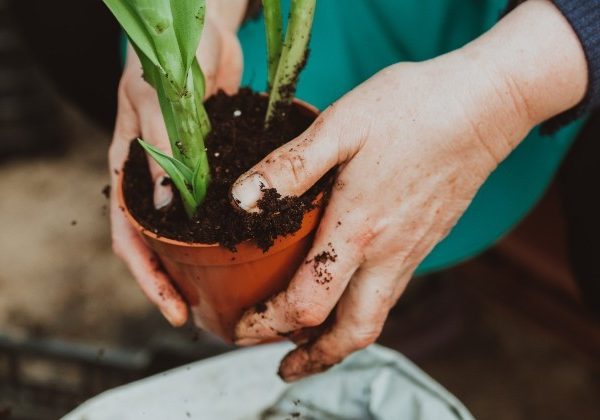
The best place to plant your cherry trees is in garden soil or in a pot. Ensure that the soil is well-aerated, sandy, and has a neutral pH. Additionally, make sure the planting area allows for good air circulation and that the soil depth is at least 25 cm to accommodate the primary root’s growth.
2. How to Germinate Seeds?
To germinate cherry seeds, start by roughing them up slightly on a rough surface. Then, place the seeds on damp paper or cotton in a bowl. Cover the bowl with holes to allow for air circulation and place it in the refrigerator. Check the seeds daily and mist with water as needed to keep them moist until they germinate, which may take 6 to 8 weeks.
Be mindful of the temperature; it should not drop below 1°C or exceed 6°C. Once the seeds show their first shoot, plant them 5 cm deep in the soil, spacing them about 20 to 30 cm apart.
3. How to Take Care of the Plant?
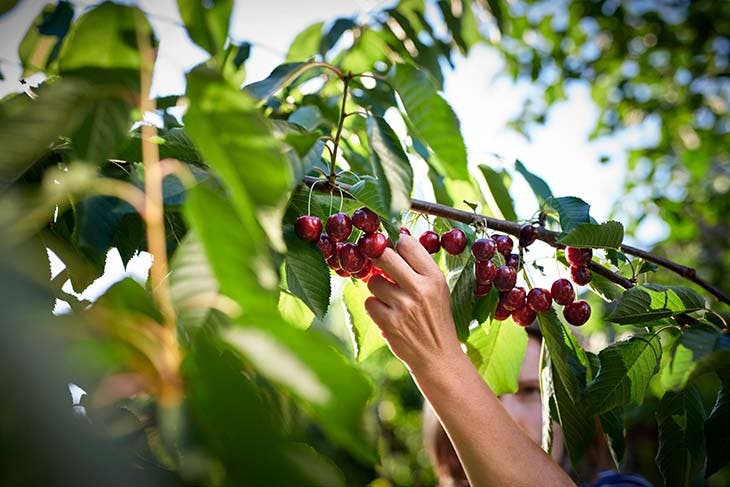
Caring for cherry trees is straightforward if you meet their essential needs. Focus on providing adequate light and water, ensuring the soil is moist but not muddy or waterlogged. Aim for several hours of sunshine each day.
Cherry trees grow slowly but steadily. With patience and care, you’ll enjoy fabulous cherries. Keep in mind that cherry trees usually take 4 to 8 years to bear fruit, so plan for fertilization, pruning (removing dead branches), and pest prevention along the way.
4. Other Factors to Consider
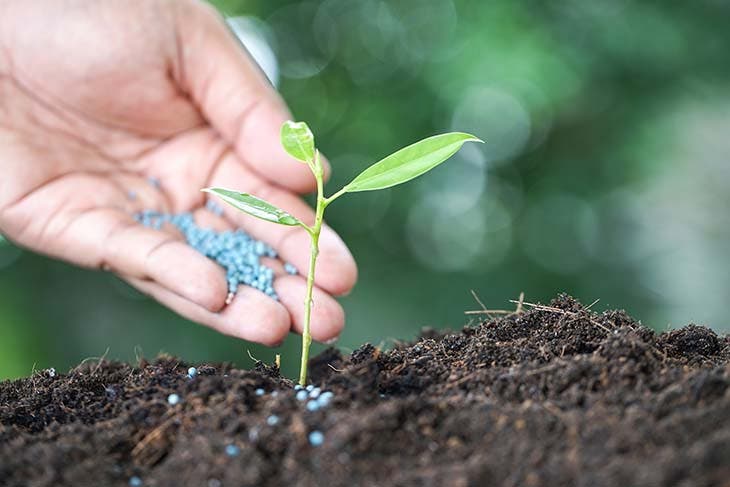
- Fertilization: In March, apply fertilizer containing nitrogen, potassium, and phosphorus. Both industrial and organic options are available to nourish your plant effectively.
- Light: Your cherry tree thrives best with direct sunlight for about 8 hours a day, although it can tolerate some shade.
- Climate: Cherry trees prefer a temperate climate. They can withstand temperatures as low as -20°C, but it’s best to protect them from frost and avoid temperatures below -2°C.
Health Benefits of Eating Cherries
Cherries are not only delicious but also offer numerous health benefits. They are high in fiber, potassium, and vitamin C, promoting better intestinal transit. Eating cherries in the evening can even improve sleep quality.
However, since cherries are high in natural sugars (about 12.7g of carbohydrates per 100g), it’s best to enjoy them in moderation to avoid weight gain.
By following these guidelines, you can successfully germinate cherry pits and enjoy the fruits of your labor in your own home garden!