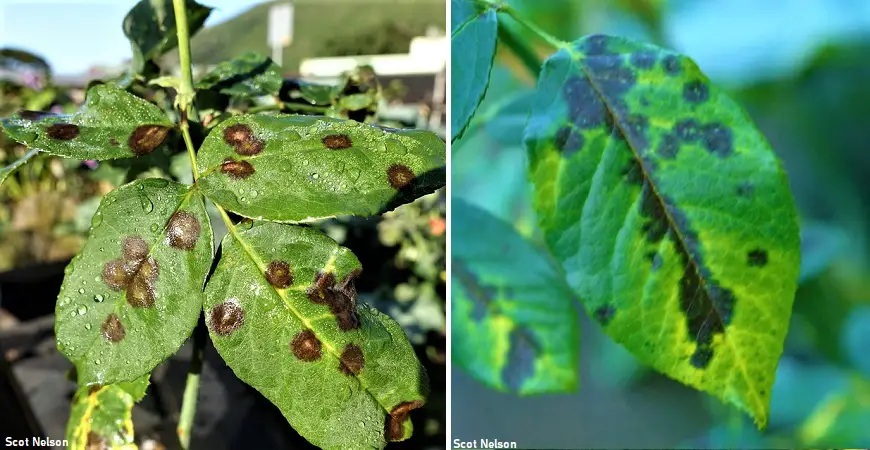
To address black spots on your plant leaves, it’s essential to understand the underlying causes and take appropriate action:
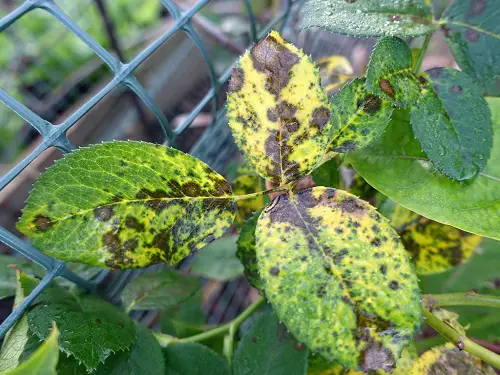
1. Environmental Causes:
- Excessive Light Exposure: If black spots appear due to overexposure to sunlight, move the plant to a location where it receives the right amount of light for its species.
- Watering Practices: Avoid watering the leaves, especially when they are exposed to direct sunlight. Water droplets on leaves can act as magnifying glasses, causing burns. Water the soil instead, preferably in the morning or evening when the sun is less intense.
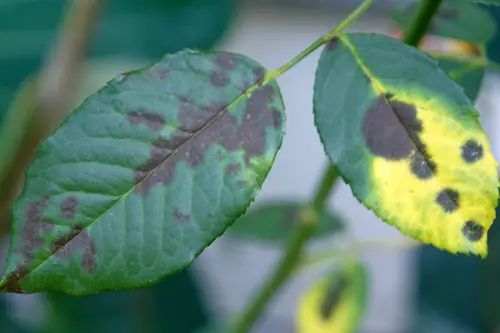
2. Infectious Causes:
- Fungal or Bacterial Infections: If black spots result from fungal or bacterial infections, take steps to address them promptly.
- Remove Affected Leaves: Trim or prune leaves showing black spots to prevent further spread of the infection.
- Clean the Plant: Use organic insecticides, potassium soap, neem oil, or homemade remedies to clean the plant thoroughly, removing any fungal or bacterial residue.
- Preventive Measures: Regularly inspect the plant for signs of new infections and continue cleaning leaves, stems, and soil preventively with organic solutions.
- Provide Suitable Conditions: Ensure the plant has appropriate air circulation, light exposure, watering practices, nutrients, and fertilizers to promote overall health and prevent future issues.
By addressing both environmental and infectious causes, you can effectively eliminate black spots on your plant leaves and promote its well-being.
Show Comments