Did you know that a simple kitchen scrap could be the key to keeping your plants free of pests and healthy? Gardeners often use this little-known method to protect their plants and promote growth—lemon peels. Let’s explore how this natural solution works and why it’s becoming a go-to method for plant care.
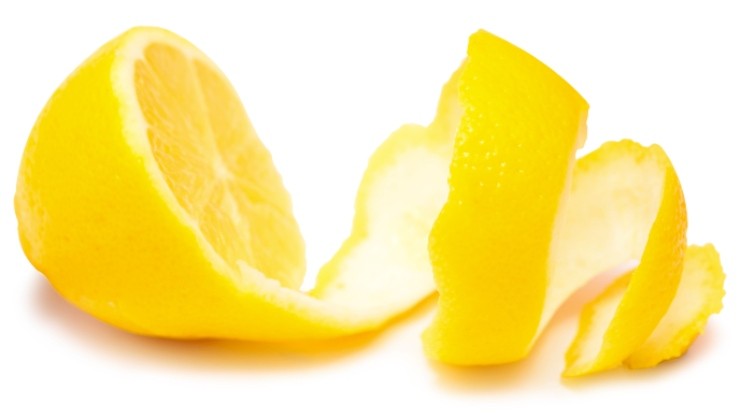
Lemon Peels: A Natural Pest Repellent
Using natural methods to care for plants is not only better for the environment, but it’s also safer for you and your family. Instead of relying on harmful chemicals, you can use everyday food scraps like lemon peels to keep your plants free from pests and thriving. This method, often used by professional gardeners, is a powerful way to naturally prevent infestations and promote healthy plant growth.
The Power of Lemon Peels
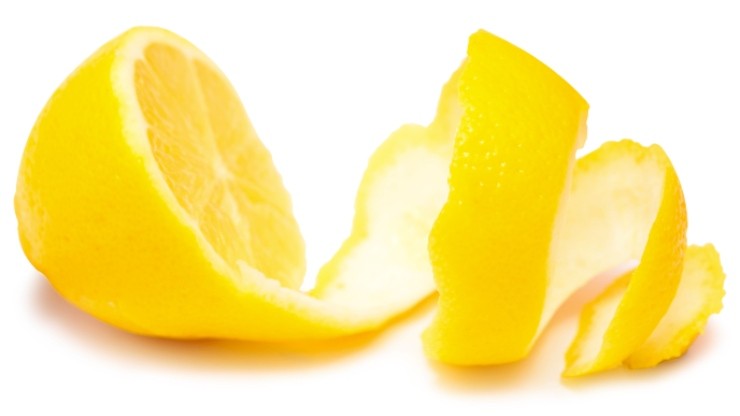
Lemon peels are packed with nutrients that are essential for plants, such as potassium, nitrogen, and phosphorus. These nutrients help enrich the soil, keeping your plants strong and resilient against pests. By using lemon peels, you are not only reducing waste but also giving your plants a natural boost.
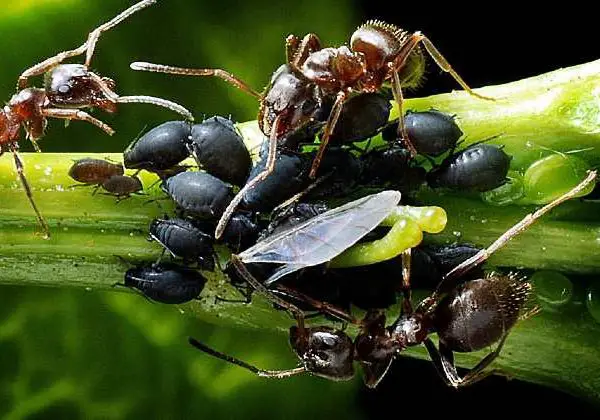
In addition to their nutritional benefits, lemon peels have a natural insecticidal effect. They help repel common pests like aphids, mites, ants, and fungi, which can damage or even kill plants. This makes lemon peels an effective, non-toxic alternative to chemical pesticides.
How to Use Lemon Peels to Keep Pests Away
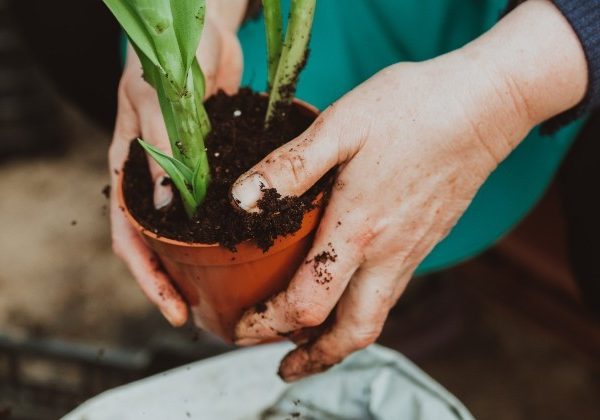
One of the easiest ways to use lemon peels for pest control is by creating a ring of chopped lemon peels around the base of your plants. This helps increase the soil’s acidity, making it an inhospitable environment for many pests. The strong citrus scent of lemon also acts as a natural repellent, driving insects away.
You can also bury the peels in the soil to create a compost that will slowly release nutrients over time. This method not only prevents infestations but also acts as a fertilizer, saving you money on store-bought options.
DIY Lemon Peel Fertilizer
In addition to keeping pests away, lemon peels can also be used to make a natural homemade fertilizer. Here’s how you can make it:
- Peel two fresh lemons.
- Boil the peels in 1 liter of water.
- Let the solution cool down.
- Allow the mixture to rest for three days.
Once the solution is ready, transfer it to a spray bottle. You can then spray this fertilizer on your plants, which will help them grow lush and healthy. The essential oils released during boiling will not only nourish your plants but also keep pests at bay.
Use this fertilizer at least twice a month for optimal plant growth. The best part is that it works in any season, whether it’s hot or cold, and is free of harmful chemicals.
Conclusion
By incorporating lemon peels into your plant care routine, you can effectively solve two problems at once: keeping pests away and providing your plants with a natural, nutrient-rich fertilizer. This easy and eco-friendly method will help your plants flourish without the need for harmful chemicals, ensuring a healthier garden and a safer environment. So next time you enjoy a lemon, don’t throw away the peel—use it to give your plants the care they deserve!